

Introduction
In the world of business, understanding direct cost procurement is essential for maintaining a competitive edge. This process involves acquiring the goods and services that are directly associated with production, making it a cornerstone of effective financial management. By mastering direct cost procurement, companies can optimize their budgets and enhance overall profitability.
Understanding Direct Cost Procurement
Direct cost procurement refers to the acquisition of materials and services that contribute directly to the creation of products or services. These costs typically include raw materials, components, and labor directly tied to production activities. By gaining a firm grasp on direct cost procurement, organizations can streamline operations and allocate resources more efficiently.
Importance of Strategic Procurement
Strategic procurement goes beyond mere purchasing; it encompasses planning and executing buying decisions that align with an organization’s long-term goals. In today’s fast-paced market, effective strategic procurement practices allow businesses to respond swiftly to changes in demand while managing costs effectively. Companies like SSOURCING INC. recognize that honing their strategic procurement capabilities is vital for sustaining growth in an increasingly competitive landscape.
Surviving in a Competitive Market
To thrive in a competitive market, businesses must leverage every tool at their disposal—including direct cost procurement strategies—to drive efficiency and reduce expenses. The ability to procure goods at optimal prices while ensuring quality can differentiate successful companies from their less agile counterparts. By focusing on robust direct cost procurement processes, organizations position themselves not just to survive but also to excel in their respective industries.
What is Direct Cost Procurement?

Direct cost procurement is a crucial aspect of supply chain management that focuses on acquiring goods and services directly tied to the production of a company’s products. Understanding this concept helps organizations streamline their operations, ensuring that they efficiently manage their resources while minimizing costs. In a world where every penny counts, mastering direct cost procurement can be the difference between thriving and merely surviving.
Defining Direct Costs
Direct costs refer to expenses that can be directly attributed to the production of specific goods or services. These include raw materials, labor involved in manufacturing, and any other costs that are essential for creating a product. By clearly defining direct costs, companies can better strategize their procurement processes, allowing for more accurate budgeting and forecasting.
Key Components of Procurement
The key components of direct cost procurement encompass several essential elements: sourcing, purchasing, and inventory management. Sourcing involves identifying potential suppliers who can provide the necessary materials at competitive prices. Purchasing follows suit—this is where negotiations take place to secure favorable terms and conditions. Lastly, effective inventory management ensures that resources are available when needed without incurring excess costs.
The Role of Suppliers
Suppliers play a pivotal role in direct cost procurement as they are the lifeblood of any organization’s supply chain. Establishing strong relationships with suppliers not only enhances reliability but also opens doors for negotiating better pricing strategies and terms over time. At SSOURCING INC., we understand that fostering these partnerships is vital for long-term success in direct cost procurement; after all, your supplier's success often translates into your own.
Effective Strategies for Direct Cost Procurement
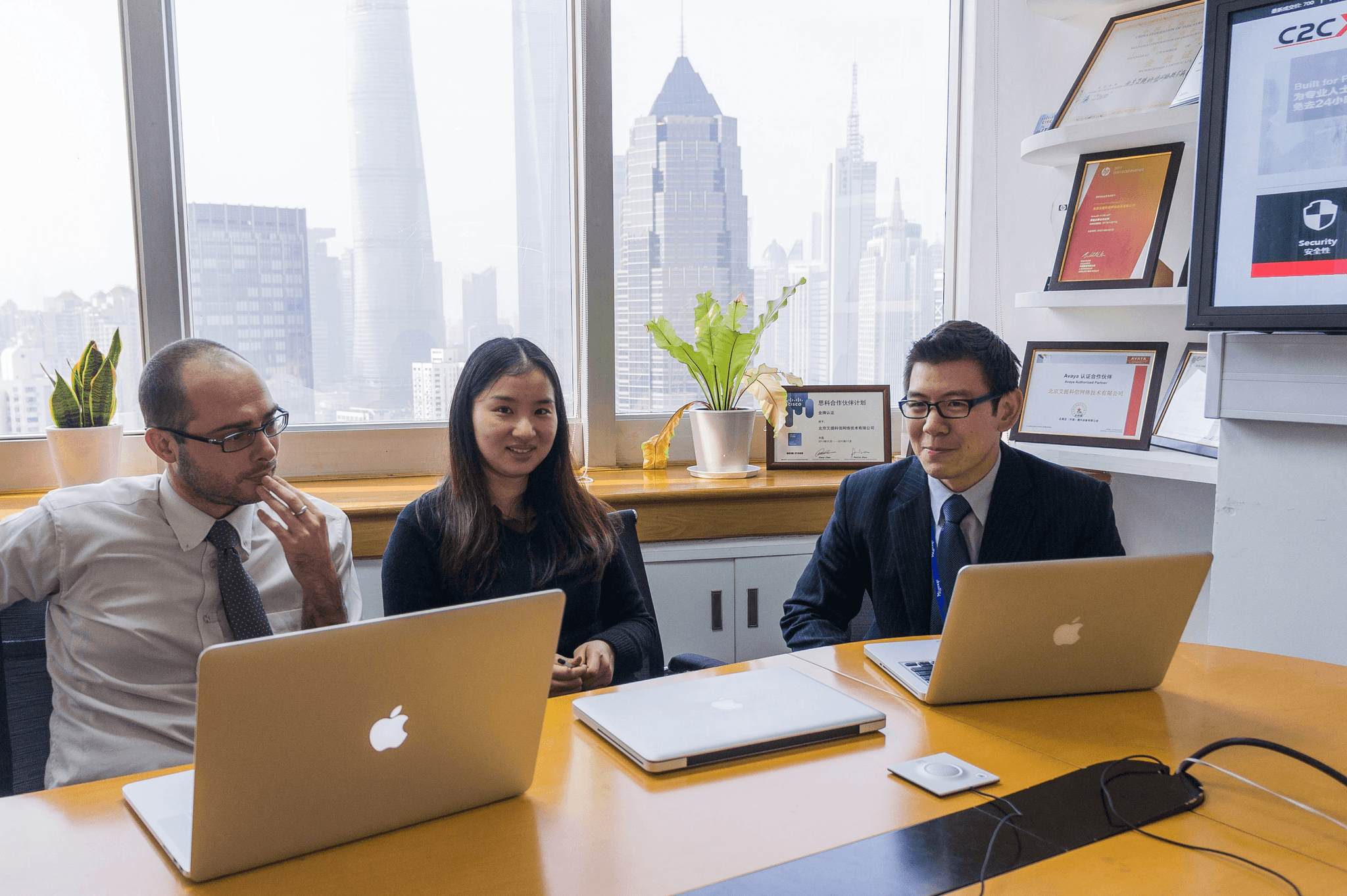
In the competitive realm of direct cost procurement, employing effective strategies is essential for achieving cost savings and maintaining a strong market position. Organizations must be proactive in their approach, utilizing data-driven insights and innovative technologies to streamline procurement processes. With the right strategies in place, businesses can not only reduce costs but also enhance their supplier relationships and overall operational efficiency.
Analyzing Market Trends
Understanding market trends is crucial in direct cost procurement as it helps organizations stay ahead of fluctuations that could impact pricing and availability. By keeping an eye on industry developments, economic indicators, and competitor behaviors, companies can make informed decisions about when to purchase materials or negotiate contracts with suppliers. SSOURCING INC. emphasizes the importance of utilizing analytical tools to gather real-time data that can forecast market movements, allowing businesses to capitalize on favorable conditions.
Additionally, analyzing market trends enables companies to identify emerging suppliers who may offer better pricing or innovative products that align with their needs. This proactive approach not only enhances procurement strategies but also fosters a culture of agility within the organization. Ultimately, staying attuned to market dynamics is key for successful direct cost procurement.
Leveraging Technology for Cost Reduction
In today's digital age, leveraging technology is a game-changer for direct cost procurement strategies. Automation tools streamline repetitive tasks such as order processing and invoice management, freeing up valuable human resources for more strategic activities like supplier relationship management. SSOURCING INC.'s cutting-edge solutions can help organizations implement e-procurement systems that provide real-time insights into spending patterns and supplier performance.
Moreover, advanced analytics platforms allow businesses to analyze vast amounts of data quickly, uncovering hidden opportunities for cost reduction that manual processes might miss. By integrating artificial intelligence into their procurement practices, companies can predict future needs based on historical data trends—leading to smarter purchasing decisions that minimize waste and optimize inventory levels. Embracing technology not only reduces costs but also positions organizations as leaders in efficient direct cost procurement.
Negotiation Tactics with Suppliers
Mastering negotiation tactics is essential in direct cost procurement; it’s where strategy meets art! Effective negotiations go beyond just haggling over prices—they involve building relationships based on trust and mutual benefit with suppliers. Companies should prepare thoroughly by researching supplier backgrounds and understanding their pain points so they can craft win-win scenarios during discussions.
SSOURCING INC.'s expertise highlights the importance of establishing clear objectives before entering negotiations while remaining flexible enough to adapt during discussions based on supplier responses or new information revealed during talks. Employing techniques such as value-based negotiation—wherein both parties explore creative solutions rather than sticking strictly to price—can yield significant benefits beyond mere financial savings.
Successful negotiators also know when to walk away from a deal if terms do not meet their strategic goals; this assertiveness often leads suppliers to reconsider offers or improve terms just to keep business relations intact! In conclusion, effective negotiation tactics are vital components of successful direct cost procurement strategies that drive long-term value creation.
The Impact of Supplier Relationships

In the realm of direct cost procurement, the relationships forged with suppliers can significantly influence an organization's success. These connections are not merely transactional; they are strategic alliances that can drive efficiency, innovation, and cost savings. Building strong supplier relationships is crucial for organizations aiming to thrive in a competitive market.
Building Long-Term Partnerships
Creating long-term partnerships with suppliers is essential in direct cost procurement. When organizations invest time and resources into nurturing these relationships, they often unlock better pricing models and improved service levels. SSOURCING INC. emphasizes the importance of collaboration, as it leads to shared goals and mutual benefits that enhance overall procurement effectiveness.
Moreover, long-term partnerships facilitate open communication channels where feedback can flow freely. This ongoing dialogue allows both parties to adapt quickly to market changes or shifts in demand, ensuring that procurement strategies remain agile and responsive. By fostering trust over time, companies can secure more favorable terms and conditions that ultimately contribute to lower direct costs.
Communication and Trust in Procurement
Effective communication is the backbone of successful supplier relationships in direct cost procurement. Clear expectations set from the outset help prevent misunderstandings that could lead to costly disputes down the line. SSOURCING INC. advocates for regular check-ins and updates to maintain transparency between organizations and their suppliers.
Trust also plays a pivotal role in these interactions; when suppliers feel valued and respected, they are more likely to prioritize your needs over others'. This trust fosters an environment where suppliers feel comfortable sharing insights about market trends or potential challenges ahead—information that can be invaluable for strategic planning purposes. In essence, strong communication coupled with trust cultivates a collaborative atmosphere ripe for innovation.
Case Studies of Successful Collaborations
Examining real-world examples highlights how effective supplier relationships can transform direct cost procurement outcomes dramatically. One notable case involves a manufacturing firm that partnered with its primary supplier to develop a just-in-time inventory system, drastically reducing holding costs while ensuring timely delivery of materials. Through this collaboration, both parties benefited from enhanced efficiency and reduced expenses.
Another example features a tech company working closely with its software provider on custom solutions tailored specifically for their needs—this partnership not only improved functionality but also led to significant savings on licensing fees through negotiated terms based on mutual understanding of each other's business goals. These cases illustrate how investing in supplier relationships pays off by aligning interests toward shared objectives while optimizing direct costs together.
Risk Management in Direct Cost Procurement

In the realm of direct cost procurement, risk management is crucial for maintaining a smooth supply chain and ensuring cost efficiency. Identifying potential risks early allows organizations to implement strategies that mitigate these risks before they escalate into larger issues. With the right approaches, companies can safeguard their direct cost procurement processes against unexpected disruptions.
Identifying Potential Risks
The first step in effective risk management within direct cost procurement is identifying potential risks that could impact operations. These risks can range from supplier insolvency to fluctuating market prices and geopolitical factors that affect supply chains. Additionally, quality control issues and regulatory compliance failures can also pose significant threats to direct cost procurement efforts, making it essential for businesses to remain vigilant.
To pinpoint these risks, organizations should conduct thorough assessments of their suppliers and market conditions regularly. Utilizing tools such as SWOT analysis (Strengths, Weaknesses, Opportunities, Threats) can help teams uncover vulnerabilities in their procurement strategies. By proactively identifying these potential pitfalls, companies can better prepare themselves for any challenges that may arise.
Mitigation Strategies for Procurement Risks
Once potential risks have been identified in the context of direct cost procurement, it's time to implement effective mitigation strategies. Diversifying the supplier base is one of the most powerful tactics; relying on multiple suppliers reduces dependency on a single source and minimizes disruption risk if one supplier encounters difficulties. Furthermore, establishing contingency plans ensures that businesses are prepared for various scenarios that could impact their operations.
Another key strategy involves fostering strong relationships with suppliers through open communication and collaboration. When suppliers feel valued and trusted, they are more likely to prioritize your business during challenging times or offer flexible solutions when issues arise. Regularly reviewing contracts and terms with suppliers also ensures clarity on responsibilities while allowing room for negotiation if circumstances change.
Finally, leveraging technology plays a vital role in mitigating procurement risks by providing real-time data analytics and insights into market trends. Advanced software solutions enable organizations to monitor supplier performance continuously while identifying any emerging threats promptly. By embracing technology as part of their risk management strategy in direct cost procurement, businesses can enhance decision-making processes significantly.
The Role of SSOURCING INC. in Risk Management
SSOURCING INC., as a leader in strategic sourcing solutions, plays an integral role in managing risks associated with direct cost procurement effectively. Our expertise lies not only in identifying potential risks but also in developing customized mitigation strategies tailored to our clients' unique needs and industry requirements. By partnering with us, businesses gain access to a wealth of resources designed specifically for optimizing their procurement processes while safeguarding against unforeseen challenges.
At SSOURCING INC., we utilize advanced analytics tools to assess supplier performance continually and identify areas where improvements can be made or where vulnerabilities exist within the supply chain landscape—ensuring our clients remain ahead of any potential disruptions related to direct costs or other factors affecting their operations directly or indirectly.
Moreover, our commitment extends beyond just providing solutions; we believe that education is key! We work closely with our clients by offering training sessions focused on best practices for risk management within direct cost procurement—empowering them with knowledge so they feel confident navigating complex market dynamics successfully over time!
Measuring Success in Direct Cost Procurement

In the realm of direct cost procurement, measuring success is not merely about tallying up savings; it's about understanding how effectively your procurement strategies align with overall business objectives. By establishing clear metrics and continuously refining processes, organizations can ensure they are not only cutting costs but also enhancing value. This section delves into the key performance indicators (KPIs) to track, the importance of continuous improvement, and real-world examples that showcase successful metrics.
Key Performance Indicators to Track
When it comes to direct cost procurement, having the right KPIs is crucial for gauging effectiveness and efficiency. Metrics such as cost savings achieved, supplier performance ratings, and purchase order cycle times provide valuable insights into how well procurement efforts are functioning. SSOURCING INC. emphasizes that tracking these KPIs allows businesses to make informed decisions that drive strategic growth while maintaining a competitive edge in the market.
Additionally, monitoring inventory turnover rates can reveal how well a company manages its stock levels in relation to direct costs incurred during procurement. Another vital KPI is the percentage of spend under management; this indicates how much of your total spend is being strategically sourced versus ad hoc purchases. By focusing on these indicators, organizations can better navigate the complexities of direct cost procurement and enhance their operational success.
Continuous Improvement in Procurement Processes
Continuous improvement should be at the forefront of any organization engaged in direct cost procurement. It’s essential to regularly assess existing processes and identify areas for enhancement—be it through technology adoption or optimizing supplier relationships. SSOURCING INC.'s commitment to ongoing process refinement ensures that clients not only achieve immediate savings but also build sustainable practices for future growth.
Implementing feedback loops from stakeholders involved in the procurement process can lead to innovative solutions that streamline operations further while reducing costs over time. Additionally, embracing a culture of learning encourages teams to stay updated on industry trends and best practices related to direct cost procurement strategies. This proactive approach fosters an environment where improvements are continually sought after rather than waiting for issues to arise.
Real-World Examples of Success Metrics
To illustrate the impact of effective measurement in direct cost procurement, consider a case where a manufacturing firm partnered with SSOURCING INC., focusing on optimizing supplier contracts through data analytics tools. By tracking KPIs diligently, they identified opportunities for renegotiation based on performance data—resulting in a 15% reduction in supply costs within just six months! This real-world example underscores how diligent measurement leads directly to financial benefits and enhanced supplier collaboration.
Another compelling case involves a retail chain that implemented continuous improvement initiatives within their purchasing department, leading them to reduce order cycle times by 30%. This not only improved cash flow but also allowed them greater flexibility during peak seasons when demand surged unexpectedly—showcasing how agility ties back into successful direct cost procurement strategies. These examples highlight that when organizations commit themselves to measuring success accurately and acting upon those insights, they unlock significant value across their supply chains.
Conclusion

In the dynamic world of business, direct cost procurement is not just a necessity but a strategic advantage that can propel organizations forward. As markets evolve, understanding and adapting to future trends in this area will be crucial for maintaining competitiveness. The ability to streamline procurement processes while keeping costs low will distinguish successful companies from their competitors.
Future Trends in Direct Cost Procurement
Looking ahead, we can expect several trends to shape direct cost procurement significantly. For instance, sustainability will become increasingly important, with companies seeking suppliers who prioritize eco-friendly practices and materials. Additionally, the rise of artificial intelligence and machine learning will revolutionize data analysis in procurement, enabling businesses to make more informed decisions about supplier selection and cost management.
Moreover, the integration of blockchain technology could enhance transparency and traceability in supply chains, further optimizing direct cost procurement strategies. Companies like SSOURCING INC. are already exploring these innovations to stay ahead of the curve. By embracing these trends early on, organizations can position themselves as leaders in efficient and responsible procurement practices.
How to Stay Competitive in Procurement
To remain competitive in the ever-evolving landscape of direct cost procurement, businesses must adopt a proactive approach that includes continuous learning and adaptation. Keeping an eye on market trends is essential; understanding shifts in demand or emerging technologies can provide critical insights that inform decision-making processes. Additionally, investing in training for procurement teams ensures they are equipped with the latest skills and knowledge necessary for effective negotiation and supplier management.
Collaboration is also key—forming strategic partnerships with suppliers not only fosters trust but also opens up avenues for innovation and joint problem-solving. Companies like SSOURCING INC. excel at facilitating these relationships by leveraging their extensive networks to connect clients with reliable suppliers who align with their goals for cost reduction without sacrificing quality or service levels.
The Value of Partnering with SSOURCING INC.
Partnering with SSOURCING INC. brings unparalleled value to your direct cost procurement strategy by combining expertise with cutting-edge technology solutions tailored specifically for your needs. Our commitment to fostering strong supplier relationships means you gain access to better pricing structures while benefiting from enhanced service delivery through our dedicated support team.
Moreover, we understand that each business has unique challenges; therefore, our customized approach ensures that your specific requirements are met efficiently without compromising on quality or timelines—allowing you to focus on what you do best: growing your business! In an era where every dollar counts, let SSOURCING INC. be your trusted ally in navigating the complexities of direct cost procurement.