

Introduction
In the dynamic world of business, sourcing strategies are pivotal in shaping operational efficiency and competitive advantage. Understanding the nuances of indirect vs direct sourcing is essential for organizations aiming to optimize their procurement processes. By making informed choices about their sourcing strategies, companies like SSOURCING INC. can significantly enhance their bottom line and market position.
Understanding Sourcing Strategies
Sourcing strategies encompass the methods and processes organizations use to procure goods and services necessary for their operations. The distinction between indirect vs direct sourcing plays a crucial role in determining how resources are allocated and managed within a company. Direct sourcing typically involves purchasing raw materials or components directly from manufacturers, while indirect sourcing pertains to acquiring goods and services that support the business but are not part of its core offerings.
The Importance of Effective Sourcing
Effective sourcing is not merely about cost savings; it influences quality, supplier relationships, and overall operational success. For firms like SSOURCING INC., choosing between indirect vs direct sourcing can lead to different implications for efficiency and profitability. A well-executed sourcing strategy ensures that an organization can respond swiftly to market demands while maintaining control over its supply chain.
What’s at Stake in Sourcing Decisions
The stakes in sourcing decisions are high, as they can impact everything from production timelines to customer satisfaction levels. Companies must weigh the benefits of indirect vs direct sourcing carefully; a misstep could lead to increased costs or supply chain disruptions that hinder growth potential. Ultimately, understanding these dynamics allows businesses to make strategic choices that align with their long-term objectives.
Defining Direct Sourcing

Direct sourcing is a procurement strategy that involves companies purchasing goods and services directly from manufacturers or producers without intermediaries. This approach allows organizations to have greater control over their supply chain, often leading to cost savings and improved product quality. In the ongoing debate of indirect vs direct sourcing, understanding the nuances of direct sourcing can empower businesses to make informed decisions tailored to their unique needs.
Key Characteristics of Direct Sourcing
One of the defining traits of direct sourcing is its focus on building relationships with suppliers who provide raw materials or finished goods essential for production. This strategy often emphasizes long-term partnerships, allowing businesses to negotiate better terms, prices, and delivery schedules. Additionally, direct sourcing typically involves higher volumes and more significant investments in supplier management compared to indirect sourcing.
Another key characteristic is transparency in pricing and supply chain processes. Companies utilizing direct sourcing can trace their products back to their origins, ensuring quality assurance and compliance with regulatory standards. This level of visibility not only enhances trust between parties but also helps mitigate risks associated with supply chain disruptions—an increasingly crucial factor in today’s global marketplace.
Finally, direct sourcing often leverages technology for efficiency gains. By adopting digital tools for communication and logistics management, companies can streamline operations while reducing overhead costs associated with traditional procurement methods. As we delve deeper into the discussion on indirect vs direct sourcing, it becomes clear that these characteristics make direct sourcing an attractive option for many organizations.
Industries That Favor Direct Sourcing
Direct sourcing tends to shine in industries where product quality and cost control are paramount—think manufacturing, automotive, or electronics sectors. In these fields, companies benefit significantly from establishing strong relationships with suppliers who can meet strict specifications while offering competitive pricing structures. For instance, automotive manufacturers often rely on a network of trusted suppliers for critical components like engines or electronic systems.
The fashion industry also embraces direct sourcing as brands seek unique materials or exclusive designs that set them apart from competitors. By working directly with textile producers or artisans around the world, fashion companies can maintain creative control while managing costs effectively—a vital aspect when navigating the complexities of global supply chains amidst discussions about indirect vs direct sourcing.
Additionally, food production is another sector where direct sourcing plays a crucial role in ensuring freshness and quality standards are met consistently. Restaurants that source ingredients directly from farmers not only guarantee superior taste but also foster sustainable practices within local communities—a win-win situation that resonates well with today’s eco-conscious consumers.
Real-World Examples of Direct Sourcing
Consider SSOURCING INC., which has successfully implemented a robust direct sourcing strategy by partnering directly with manufacturers across various industries—from textiles to electronics—ensuring high-quality products at competitive prices while minimizing lead times significantly. By eliminating intermediaries through strategic partnerships built on trust and transparency, SSOURCING INC.'s clients have experienced enhanced operational efficiencies that translate into increased profitability.
Another compelling example comes from Apple Inc., which has long favored a model centered around direct supplier relationships for its iPhone components like chips and displays; this approach allows them unparalleled control over their supply chain amid fierce competition in the tech landscape—illustrating how critical effective supplier management is when considering indirect vs direct sourcing strategies.
Lastly, consider Starbucks’ commitment to ethical coffee procurement through its Coffee & Farmer Equity (C.A.F.E.) Practices program; by engaging directly with coffee farmers worldwide rather than relying solely on third-party distributors they ensure not only high-quality beans but also promote sustainable farming practices—a perfect case study showcasing how meaningful connections can elevate brands above market noise while navigating complex conversations surrounding indirect vs direct sourcing strategies effectively.
Unpacking Indirect Sourcing

When discussing sourcing strategies, indirect sourcing often gets overshadowed by its more straightforward counterpart, direct sourcing. However, it plays a crucial role in the supply chain landscape. Indirect sourcing refers to the procurement of goods and services that are not directly incorporated into a company's end product but are essential for operations.
Key Characteristics of Indirect Sourcing
Indirect sourcing is characterized by its focus on non-core materials and services that support business functions rather than production itself. This can include everything from office supplies to IT services, making it broad and diverse in nature. Unlike direct sourcing, which typically involves tangible products directly used in manufacturing, indirect sourcing often deals with categories that require strategic thinking and long-term partnerships.
Another defining trait of indirect sourcing is its complexity; managing these relationships requires careful consideration of various factors such as quality, price, and supplier reliability. The procurement process can also be less standardized compared to direct sourcing because the needs are often more varied and dynamic. Companies like SSOURCING INC. excel in navigating these complexities by leveraging technology to streamline processes and enhance decision-making.
Industries That Favor Indirect Sourcing
Several industries heavily rely on indirect sourcing due to their operational requirements and the nature of their products or services. For instance, sectors like healthcare depend on a vast array of non-product-related supplies—think medical equipment maintenance or administrative software solutions—to function effectively. Similarly, technology companies frequently invest in indirect categories such as cloud services or consultancy firms that drive innovation but don't appear on the balance sheet as traditional inventory.
Retailers also benefit significantly from indirect sourcing by procuring marketing materials or logistics support that enhances customer experience without being part of the physical product offering. In contrast to direct sourcing strategies focused on raw materials or finished goods, businesses in these sectors must navigate a complex web of suppliers for their operational needs.
Real-World Examples of Indirect Sourcing
To illustrate how indirect vs direct sourcing plays out in real life, let's consider a few examples featuring notable companies. A well-known tech giant may outsource its HR functions through an external agency—this is classic indirect sourcing at work! By doing so, they free up internal resources while ensuring expert management of employee relations.
Another example comes from the automotive industry where manufacturers might source office supplies or maintenance services through an indirect channel rather than focusing solely on parts needed for vehicle assembly (direct). SSOURCING INC.'s clients have seen firsthand how optimizing these relationships can lead to cost savings and improved efficiency across various departments.
In summary, while many organizations may initially overlook the importance of indirect vs direct sourcing decisions, understanding this nuanced approach can yield significant benefits down the line—enhancing overall operational efficiency while maintaining focus on core competencies.
Cost Considerations in Sourcing
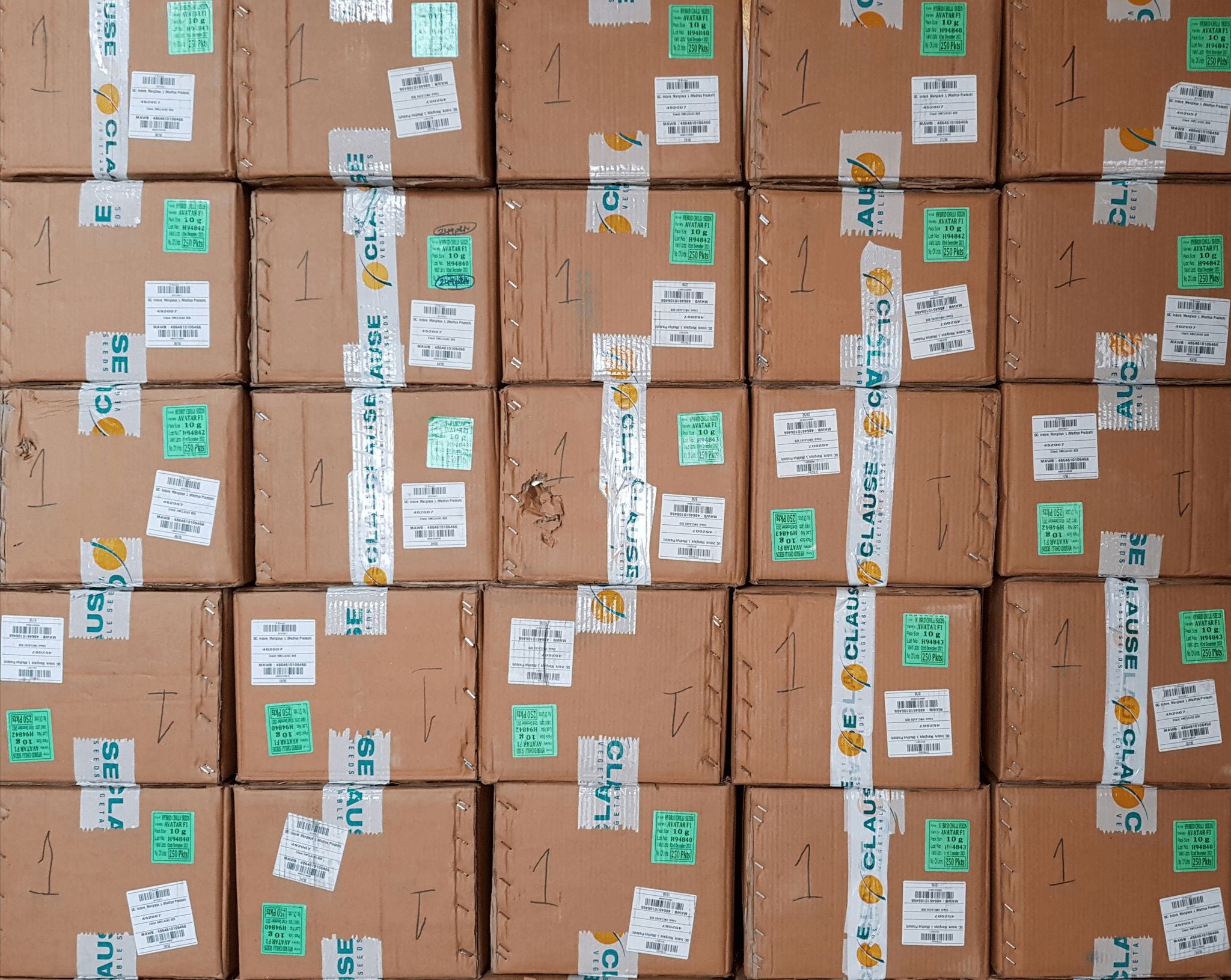
When diving into the world of sourcing, understanding cost considerations is crucial for any business aiming to maximize efficiency and profitability. The distinction between indirect vs direct sourcing becomes particularly relevant here, as each approach carries its own unique set of cost factors. By analyzing these costs, companies can make informed decisions that align with their financial goals.
Cost Factors in Direct Sourcing
Direct sourcing typically involves procuring goods or materials directly from manufacturers or suppliers, often resulting in lower prices due to reduced layers of distribution. However, businesses must also consider additional costs such as transportation, customs duties, and potential tariffs when importing goods from overseas suppliers. Furthermore, the need for quality control and compliance checks can add to the overall expenditure; thus, understanding these nuances is essential for effective budgeting.
In direct sourcing, volume plays a significant role—higher order quantities can lead to bulk discounts that significantly reduce per-unit costs. Nonetheless, businesses should be cautious about overcommitting to large orders without thoroughly assessing market demand; excess inventory can lead to wastage and increased storage costs. Ultimately, striking a balance between cost savings and operational efficiency is key when navigating the complexities of direct sourcing.
Cost Factors in Indirect Sourcing
Indirect sourcing encompasses all non-core goods and services that support a company's operations but aren't directly tied to its primary production processes. This includes everything from office supplies to outsourced services like IT support or cleaning services—each with its own set of cost implications. Unlike direct sourcing where negotiation often leads to better pricing due to volume purchases, indirect spending may not always benefit from such economies of scale.
Moreover, indirect sourcing typically involves multiple suppliers which can complicate pricing structures and lead to inconsistencies in costs across various categories. Hidden expenses like administrative overheads related to managing numerous vendor relationships also come into play here; these are often overlooked but can accumulate significantly over time. Therefore, organizations must remain vigilant about tracking total spend in indirect vs direct sourcing scenarios for accurate financial forecasting.
Analyzing ROI in Indirect vs Direct Sourcing
Evaluating the return on investment (ROI) between indirect vs direct sourcing strategies requires a comprehensive approach that considers both tangible and intangible benefits. For instance, while direct sourcing might yield immediate savings through lower prices per unit purchased, indirect sourcing could provide long-term value through enhanced supplier relationships or improved service levels that boost productivity across departments.
To accurately assess ROI for each strategy, SSOURCING INC recommends employing data analytics tools that track spending patterns alongside performance metrics related to supplier reliability and quality outcomes over time. This holistic view allows businesses not only to compare upfront costs but also understand how each type of sourcing impacts overall operational efficiency and customer satisfaction levels down the line. Ultimately, making informed decisions based on thorough ROI analysis will empower companies with clearer insights into their preferred sourcing strategies.
Supplier Relationships and Management

Supplier relationships are the backbone of any effective sourcing strategy, whether direct or indirect. Building and maintaining these relationships can significantly influence a company’s success, especially in industries where collaboration is key. At SSOURCING INC., we recognize that strong supplier partnerships can lead to improved quality, better pricing, and enhanced innovation.
Building Relationships in Direct Sourcing
In direct sourcing, the relationship with suppliers is often more personal and involved compared to indirect sourcing. Companies tend to work closely with their suppliers, sharing information about forecasts, production schedules, and quality expectations. This open line of communication fosters trust and allows for quick problem resolution—essential when navigating the complexities of direct vs indirect sourcing.
Moreover, establishing long-term contracts with suppliers can enhance stability in pricing and supply chain reliability. Companies like SSOURCING INC. prioritize building rapport through regular meetings and collaborative projects that align both parties' goals. Ultimately, investing time in these relationships pays off by creating a mutually beneficial environment that encourages growth.
Navigating Relationships in Indirect Sourcing
Indirect sourcing often involves a different dynamic due to its broader range of products and services being procured from multiple suppliers. Instead of deep partnerships, companies may focus on transactional relationships that prioritize cost efficiency over collaboration. However, even within this framework, effective communication remains vital for managing supplier performance across various categories—especially when comparing indirect vs direct sourcing strategies.
At SSOURCING INC., we emphasize the importance of setting clear expectations with suppliers while also being adaptable to changes in service levels or product offerings. Regular evaluations help ensure that suppliers meet performance metrics while fostering an atmosphere where feedback is welcomed. By carefully navigating these relationships, businesses can still achieve significant value from their indirect sourcing initiatives.
Case Studies on Supplier Management
To illustrate effective supplier management strategies in both direct and indirect sourcing contexts, consider the case of a leading automotive manufacturer that transformed its approach through strategic partnerships with key suppliers for direct sourcing needs. By investing time into relationship-building activities such as joint development projects and shared risk management initiatives, they achieved significant cost reductions while improving product quality.
On the flip side, another organization specializing in office supplies successfully managed its indirect sourcing by implementing a robust vendor management system (VMS). This system allowed them to track supplier performance across multiple categories efficiently while ensuring compliance with company policies—a crucial factor when dealing with numerous vendors typical of indirect vs direct sourcing scenarios.
These case studies underscore how effective supplier management can lead to optimal outcomes regardless of whether your focus is on building robust partnerships or managing transactional relationships effectively.
The Role of Technology in Sourcing

In today’s fast-paced business environment, technology has become an essential ally in sourcing strategies. Whether you’re leaning towards direct or indirect sourcing, utilizing the right tech tools can enhance efficiency and decision-making. With advancements in software and digital platforms, companies can streamline their sourcing processes like never before.
Tech Tools for Direct Sourcing
Direct sourcing relies heavily on technology to facilitate communication and collaboration with suppliers. Platforms such as e-sourcing tools enable businesses to conduct online auctions and negotiations, ensuring competitive pricing while maintaining quality standards. Additionally, data analytics tools help organizations assess supplier performance, allowing them to make informed decisions that align with their direct sourcing strategy.
Moreover, customer relationship management (CRM) systems play a pivotal role in managing interactions with suppliers directly. These systems capture valuable data on supplier capabilities and past performances, making it easier for companies to build long-term partnerships that benefit both parties. As businesses navigate the complexities of direct vs indirect sourcing, leveraging these tech tools becomes crucial for success.
Tech Tools for Indirect Sourcing
When it comes to indirect sourcing, technology serves as a game changer by automating procurement processes and enhancing visibility across various departments. E-procurement platforms allow organizations to manage purchases efficiently from multiple vendors while ensuring compliance with internal policies. This is particularly useful in industries where indirect spending can account for a significant portion of total expenditures.
Furthermore, spend analysis software helps companies identify patterns in their indirect purchasing behavior—leading to smarter decisions about where to cut costs or consolidate suppliers. By harnessing these technological solutions, businesses can optimize their indirect vs direct sourcing strategies effectively while maintaining control over budgets and resources.
How SSOURCING INC. Streamlines Sourcing
At SSOURCING INC., we understand that the right technology can transform your approach to both direct and indirect sourcing strategies. Our cutting-edge platform integrates seamlessly with existing systems, providing real-time data insights that empower procurement teams to make smarter choices quickly. By streamlining workflows and automating repetitive tasks, we help businesses focus on building strong supplier relationships rather than getting bogged down by administrative details.
Moreover, our intuitive interface allows users to easily compare options between direct vs indirect sourcing methods—ensuring you choose the most effective strategy tailored specifically for your organization’s needs. With SSOURCING INC., navigating the complexities of modern procurement becomes not just manageable but also enjoyable!
Conclusion

In the world of sourcing, making informed decisions is paramount for optimizing supply chains and enhancing business operations. As companies navigate the complexities of indirect vs direct sourcing, understanding the nuances between these strategies can lead to significant competitive advantages. Ultimately, choosing the right path can streamline processes and improve bottom lines.
Choosing the Right Sourcing Strategy
Selecting between indirect vs direct sourcing requires a thorough analysis of your organization’s needs, goals, and resources. Direct sourcing often benefits industries that demand quality control and close supplier relationships, while indirect sourcing may be more suitable for those looking to minimize costs on non-core purchases. SSOURCING INC. helps businesses evaluate their unique contexts to ensure they implement a strategy that aligns with their operational objectives.
Common Mistakes in Sourcing Decisions
One prevalent mistake in sourcing decisions is failing to conduct a comprehensive cost-benefit analysis when comparing indirect vs direct sourcing options. Companies sometimes overlook hidden costs associated with each method or misjudge supplier reliability based on price alone. By partnering with experts like SSOURCING INC., organizations can avoid these pitfalls and make well-informed choices that enhance their overall efficiency.
Future Trends in Indirect vs Direct Sourcing
As technology continues to evolve, we expect to see significant shifts in how businesses approach indirect vs direct sourcing strategies. Automation tools and data analytics will play an increasingly vital role in optimizing both methods, allowing companies to make agile decisions based on real-time insights. With SSOURCING INC.'s innovative solutions at your disposal, staying ahead of these trends could mean the difference between success and stagnation in today’s fast-paced market.