

Introduction
In today's interconnected world, the international purchasing process is not just a necessity; it's a strategic advantage for businesses looking to thrive in competitive markets. Companies like SSOURCING INC. understand that navigating this complex landscape requires more than just sourcing products—it demands a comprehensive strategy that encompasses everything from supplier selection to compliance with international regulations. As global trade continues to evolve, mastering the nuances of the international purchasing process becomes essential for organizations aiming to optimize their procurement strategies.
Understanding the International Purchasing Process
The international purchasing process involves multiple stages, each critical in ensuring successful procurement outcomes. It starts with identifying potential suppliers across various countries and assessing their capabilities and reliability. By understanding the intricacies of this process, companies such as SSOURCING INC. can make informed decisions that enhance their supply chain efficiency and reduce risks associated with global sourcing.
The Importance of Strategic Sourcing
Strategic sourcing is pivotal in the international purchasing process, allowing organizations to align their procurement strategies with broader business goals. This approach not only focuses on cost savings but also emphasizes quality, supplier relationships, and sustainability practices that can lead to long-term success. For firms like SSOURCING INC., adopting strategic sourcing principles means leveraging data analytics and market insights to refine their international purchasing processes effectively.
Key Players in Global Procurement
Navigating the international purchasing process requires collaboration among various stakeholders, including suppliers, logistics providers, and compliance experts. Each player brings unique expertise that contributes to a seamless procurement experience while mitigating risks associated with international transactions. At SSOURCING INC., understanding these dynamics is crucial for fostering strong partnerships and achieving optimal results in global procurement initiatives.
The Initial Research Phase

The initial research phase is a crucial step in the international purchasing process, setting the foundation for successful global procurement. It involves several key activities that help businesses like SSOURCING INC. navigate the complexities of sourcing products from around the world. By conducting thorough research, companies can identify reliable suppliers, evaluate product availability, and understand the regulatory landscape that governs international transactions.
Identifying suppliers worldwide
The first step in the international purchasing process is identifying potential suppliers across various regions and industries. This entails utilizing online platforms, trade shows, and industry networks to compile a comprehensive list of candidates who can meet your sourcing needs. At SSOURCING INC., we leverage technology and market intelligence to pinpoint suppliers that not only offer quality products but also align with our strategic sourcing objectives.
Once a list of potential suppliers is generated, it’s important to assess their reputation and reliability through customer reviews and industry feedback. This helps ensure that your chosen partners can deliver on their promises while adhering to timelines and quality standards. By diligently researching suppliers worldwide, SSOURCING INC. positions itself for success in an increasingly competitive global market.
Evaluating product availability
After identifying potential suppliers, evaluating product availability becomes paramount in the international purchasing process. This involves checking inventory levels, lead times, and production capacities to ensure that your sourcing needs can be met without delays or disruptions. Understanding these factors allows SSOURCING INC. to make informed decisions about which suppliers can fulfill orders promptly while maintaining quality standards.
Furthermore, it’s essential to consider seasonal fluctuations or supply chain challenges that may affect product availability in different regions around the globe. By staying informed about these dynamics, companies like SSOURCING INC. can better anticipate potential issues and develop contingency plans accordingly. Ultimately, thorough evaluation of product availability enhances operational efficiency and strengthens supplier relationships.
Understanding international regulations
Navigating international regulations is a critical aspect of the initial research phase in the international purchasing process. Each country has its own set of rules governing imports and exports, tariffs, customs duties, and compliance requirements that businesses must adhere to when engaging with foreign suppliers. At SSOURCING INC., we prioritize understanding these regulations to mitigate risks associated with non-compliance.
Additionally, being well-versed in trade agreements between countries can provide strategic advantages when negotiating terms with suppliers or exploring new markets for procurement opportunities. Regulations often vary based on product categories as well; therefore it's crucial for companies to stay updated on changes affecting their specific industries worldwide. By mastering these regulatory landscapes early on in the research phase, SSOURCING INC ensures smoother transactions throughout the entire international purchasing process.
Supplier Selection Criteria

In the international purchasing process, selecting the right supplier is akin to finding a needle in a haystack—except this needle can make or break your supply chain. The criteria for supplier selection should be meticulously crafted to ensure that you partner with those who can meet your company’s needs while adhering to global standards. SSOURCING INC. understands that this phase is critical for minimizing risks and maximizing efficiency in procurement.
Assessing Supplier Capabilities
When evaluating suppliers, it’s essential to assess their capabilities comprehensively. This includes examining their production capacity, technology, and workforce expertise, which are crucial indicators of their ability to fulfill orders on time and within budget in the international purchasing process. SSOURCING INC. emphasizes the importance of looking beyond just price; quality and reliability should also be top priorities when assessing potential partners.
A thorough assessment often involves site visits or virtual tours to see operations firsthand, allowing you to gauge whether suppliers have the necessary infrastructure and resources. Additionally, understanding their lead times and flexibility can help you determine if they align with your business goals. Remember, a well-capable supplier not only meets immediate needs but also has the potential for long-term partnership growth.
Importance of Certifications and Compliance
Certifications play a pivotal role in ensuring that suppliers adhere to industry standards and regulations within the international purchasing process. Compliance with quality management systems such as ISO certifications not only demonstrates reliability but also signifies a commitment to maintaining high standards throughout their operations. SSOURCING INC. prioritizes working with suppliers who hold relevant certifications as it reduces risks associated with non-compliance.
Moreover, these certifications often provide assurance regarding product safety and environmental sustainability—important factors in today’s market where consumers are increasingly conscious of ethical sourcing practices. By verifying that potential suppliers maintain these credentials, companies can mitigate legal challenges down the road while fostering trust among stakeholders involved in the procurement process.
Conducting Background Checks and Due Diligence
Due diligence is an indispensable step in the supplier selection process during international purchasing endeavors; it helps uncover any potential red flags before entering into agreements. Conducting background checks on prospective suppliers allows businesses like SSOURCING INC. to verify financial stability, reputation, and past performance records—critical factors that influence long-term success in procurement relationships.
This due diligence extends beyond mere financial assessments; it should also include checking references from previous clients or partners who can vouch for a supplier’s reliability and service quality. By thoroughly vetting suppliers through comprehensive background checks, organizations can avoid costly pitfalls associated with unreliable partnerships while ensuring compliance with local laws governing international trade.
Negotiation Strategies

Negotiation is a critical phase in the international purchasing process, where the stakes are high and the potential rewards even higher. Mastering effective negotiation techniques can significantly impact your bottom line and supplier relationships. At SSOURCING INC., we believe that a well-prepared negotiator can turn challenges into opportunities, ensuring that both parties walk away satisfied.
Techniques for effective negotiation
When diving into the international purchasing process, it’s essential to employ a variety of negotiation techniques tailored to your specific context. Start with thorough preparation; understanding market conditions and supplier backgrounds can give you an edge. Engaging in active listening during discussions allows you to gauge the other party's needs, paving the way for mutually beneficial agreements.
Another technique is to establish clear objectives while remaining flexible in your approach. This balance enables you to adapt as negotiations progress while keeping your end goals in sight. Always remember that patience is key; rushing negotiations can lead to unfavorable terms or missed opportunities.
Cultural considerations in international deals
Navigating cultural differences is crucial in the international purchasing process, as what works domestically may not translate well abroad. Understanding cultural norms and practices can help avoid misunderstandings that could derail negotiations or sour relationships with potential suppliers. For instance, some cultures may value direct communication, while others prioritize building rapport before delving into business matters.
At SSOURCING INC., we emphasize the importance of researching cultural nuances related to negotiation styles and decision-making processes across different regions. This knowledge allows negotiators to tailor their approaches effectively, fostering respect and collaboration between parties from diverse backgrounds. Additionally, being aware of local customs regarding gift-giving or meeting etiquette can enhance goodwill and trust during negotiations.
Building long-term supplier relationships
The goal of any successful negotiation should extend beyond just closing a deal; it's about laying the foundation for long-term partnerships within the international purchasing process. Establishing trust through transparent communication and consistent engagement fosters loyalty among suppliers who are more likely to prioritize your needs over others'. Regular follow-ups after negotiations show commitment and encourage ongoing dialogue about future collaborations.
Furthermore, investing time in relationship-building activities—such as joint training sessions or shared projects—can strengthen ties with suppliers over time. By demonstrating genuine interest in their success alongside yours, both parties benefit from improved collaboration and innovation throughout their partnership journey at SSOURCING INC.. Ultimately, nurturing these relationships leads to better pricing agreements and enhanced service levels down the road.
Managing Logistics and Shipping

In the international purchasing process, managing logistics and shipping is a pivotal aspect that can make or break your supply chain efficiency. With the world becoming increasingly interconnected, understanding how to navigate freight options and costs is essential for any global procurement strategy. At SSOURCING INC., we believe that a well-planned logistics approach not only reduces expenses but also enhances overall operational effectiveness.
Understanding freight options and costs
When it comes to the international purchasing process, selecting the right freight option can significantly impact your bottom line. There are various methods available, including air freight, ocean freight, and ground transportation, each with its own cost structure and delivery timelines. By analyzing these options in relation to your product type and urgency of delivery, you can optimize shipping costs while ensuring timely arrivals.
At SSOURCING INC., we recommend conducting a thorough cost-benefit analysis for each shipping method. For instance, while air freight may be faster, it often comes with a higher price tag than ocean freight. Understanding these nuances will empower you to make informed decisions that align with your company’s strategic sourcing objectives.
Customs regulations and documentation
Navigating customs regulations is another crucial element of the international purchasing process that should never be overlooked. Each country has its own set of rules regarding imports, which can include specific tariffs, taxes, and documentation requirements that must be adhered to for smooth clearance at borders. Failing to comply can lead to delays or additional costs that could derail your procurement timeline.
At SSOURCING INC., we emphasize the importance of meticulous documentation—such as commercial invoices, packing lists, and certificates of origin—to facilitate seamless customs processing. Staying updated with changes in international trade agreements or local laws ensures you remain compliant while minimizing potential risks associated with non-compliance. This proactive approach not only smooths out logistics but also strengthens supplier relationships.
Strategies for efficient supply chain management
Efficient supply chain management is vital in enhancing the overall effectiveness of your international purchasing process. Implementing strategies such as just-in-time inventory systems or leveraging technology for real-time tracking can significantly streamline operations from supplier selection through delivery. At SSOURCING INC., we advocate for utilizing advanced software solutions that provide visibility across all stages of the supply chain.
Moreover, building strong relationships with logistic partners fosters collaboration that can lead to innovative solutions tailored specifically for your needs. Regularly reviewing performance metrics helps identify areas for improvement within your logistics framework as well as ensures adherence to established quality standards throughout the entire procurement journey. By embracing these strategies, companies can achieve greater agility in their global sourcing efforts while minimizing disruptions along the way.
Quality Control and Compliance

In the realm of the international purchasing process, quality control and compliance are paramount to ensuring that products meet both organizational standards and regulatory requirements. SSOURCING INC. recognizes that maintaining high-quality benchmarks not only safeguards brand reputation but also mitigates risks associated with non-compliance. By establishing robust quality assurance standards, businesses can streamline their procurement efforts while fostering trust among stakeholders.
Establishing quality assurance standards
To effectively navigate the international purchasing process, companies must first establish clear quality assurance standards tailored to their specific needs and industry regulations. These standards serve as a benchmark for evaluating supplier offerings, ensuring that products meet predetermined criteria before reaching consumers. SSOURCING INC. emphasizes the importance of creating comprehensive guidelines that encompass material specifications, manufacturing processes, and end-user requirements to maintain consistency across global suppliers.
Monitoring supplier performance
Once suppliers are selected based on established criteria, continuous monitoring of their performance is essential in the international purchasing process. This involves regular assessments through audits, feedback loops, and performance metrics to ensure compliance with agreed-upon standards over time. SSOURCING INC. advocates for a proactive approach in managing supplier relationships by utilizing technology-driven tools that facilitate real-time tracking of product quality and delivery timelines.
Legal implications in the international purchasing process
Navigating the legal landscape is a critical component of the international purchasing process that cannot be overlooked by companies like SSOURCING INC. Understanding various regulations—such as import/export laws, trade agreements, and intellectual property rights—is vital for avoiding costly legal pitfalls and maintaining smooth operations across borders. Furthermore, adhering to compliance requirements not only protects your organization from potential liabilities but also enhances credibility in global markets.
Conclusion
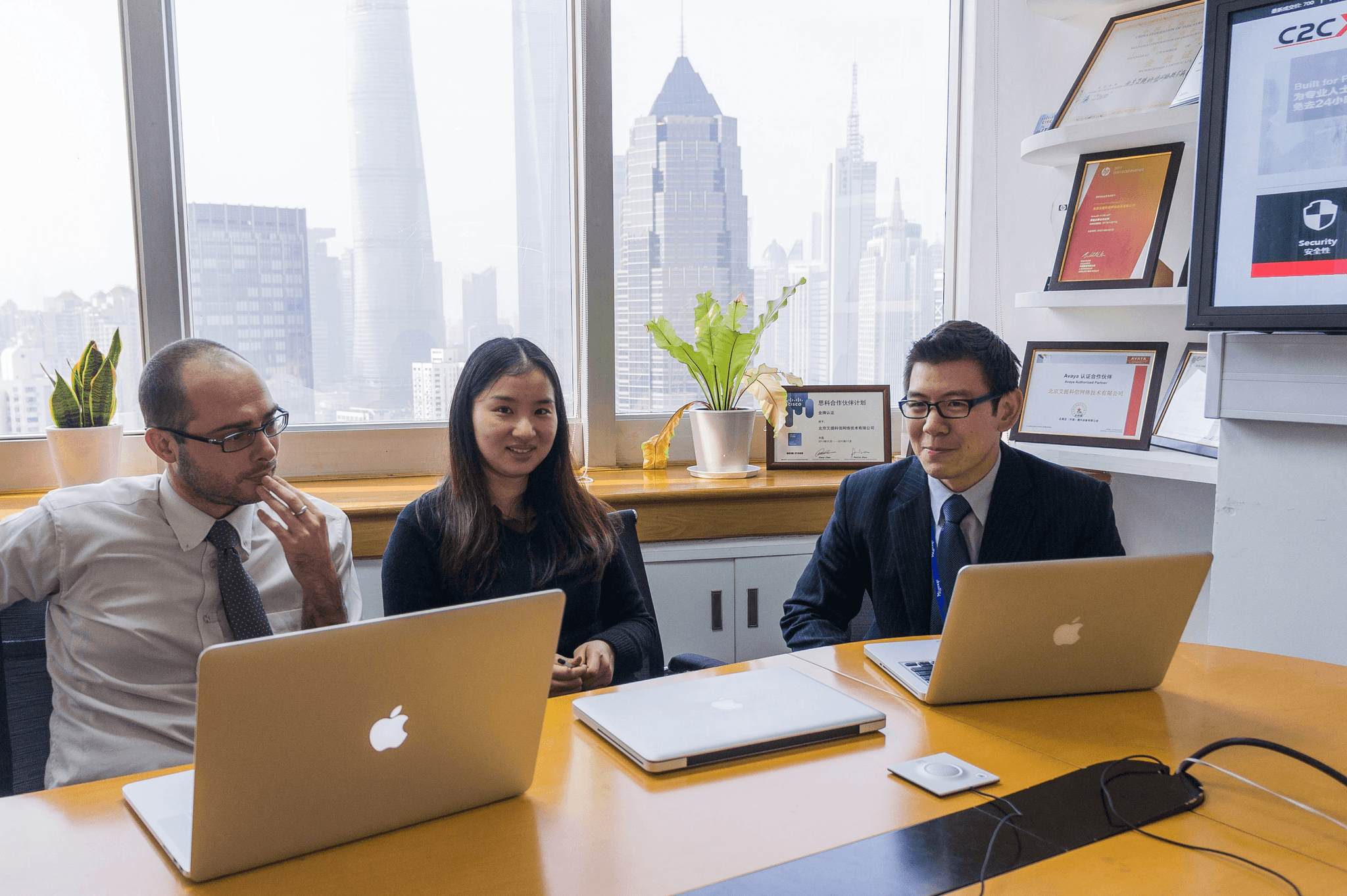
In wrapping up our exploration of the international purchasing process, it’s clear that strategic sourcing is not just a trend; it’s a necessity for businesses looking to thrive in the global market. The complexity of international procurement demands that companies like SSOURCING INC. stay ahead of the curve by leveraging technology and adapting to future trends. By embracing best practices, organizations can navigate this intricate landscape with confidence and agility.
The Role of Technology in Procurement
Technology plays a pivotal role in streamlining the international purchasing process, making tasks more manageable and efficient. Tools such as e-procurement systems and supply chain management software allow companies like SSOURCING INC. to automate processes and gain real-time insights into supplier performance and inventory levels. This digital transformation not only enhances decision-making but also fosters better collaboration across teams, ultimately leading to improved procurement outcomes.
Future Trends in Global Sourcing
As we look ahead, several trends are shaping the future of global sourcing within the international purchasing process. Sustainability is becoming increasingly important, with companies prioritizing environmentally friendly suppliers and practices as part of their procurement strategy. Additionally, advancements in artificial intelligence and machine learning are set to revolutionize how businesses identify suppliers and negotiate contracts, allowing organizations like SSOURCING INC. to make data-driven decisions that enhance competitiveness.
Best Practices for Successful International Purchasing
To excel in the international purchasing process, businesses should adopt several best practices that ensure successful outcomes. First, thorough research is vital; understanding market conditions, supplier capabilities, and compliance requirements can significantly mitigate risks associated with global procurement. Furthermore, fostering strong relationships with suppliers through transparent communication can lead to long-term partnerships that benefit all parties involved—an approach embraced by SSOURCING INC.