

Introduction
In the world of business, sourcing and procurement are often used interchangeably, but understanding the difference between sourcing and procurement is crucial for any organization looking to optimize its supply chain. While both functions play vital roles in acquiring goods and services, they focus on different aspects of the acquisition process. Recognizing these distinctions allows businesses to leverage each function effectively, ensuring that they not only meet immediate needs but also build long-term value.
Understanding Sourcing and Procurement
Sourcing refers to the strategic process of identifying, evaluating, and engaging suppliers to obtain goods or services that align with a company's objectives. It involves a deep understanding of market dynamics, supplier capabilities, and potential risks associated with partnerships. On the other hand, procurement is more transactional in nature; it encompasses the actual purchasing activities required to acquire those goods or services once sourcing decisions have been made.
Importance of Differentiating the Two
Differentiating between sourcing and procurement allows businesses to tailor their strategies effectively for maximum impact. By recognizing that sourcing focuses on building relationships with suppliers while procurement emphasizes transaction efficiency, organizations can enhance their overall operational effectiveness. This clarity not only streamlines processes but also fosters innovation by enabling teams to approach challenges from complementary angles.
How SSOURCING INC. Enhances Both
At SSOURCING INC., we understand that mastering the difference between sourcing and procurement can elevate your business strategy significantly. Our innovative solutions are designed to enhance both functions—empowering your team with tools for strategic supplier engagement while optimizing purchasing processes for cost efficiency. By integrating our cutting-edge technology into your operations, you can achieve a harmonious balance between building lasting supplier relationships and managing costs effectively.
Defining Sourcing in Business
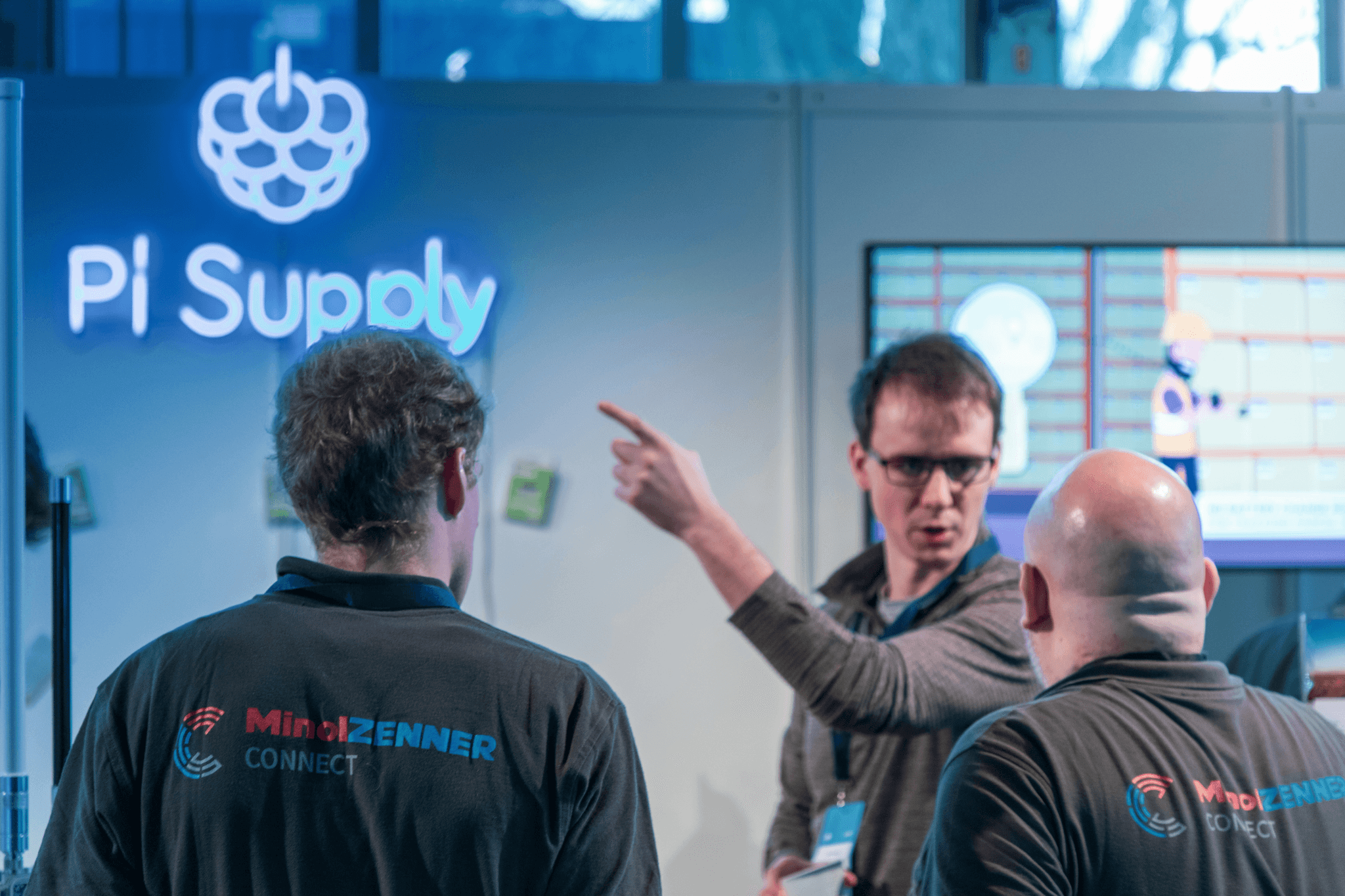
Sourcing is a critical component of the supply chain that focuses on identifying and selecting suppliers to provide goods and services. Unlike procurement, which often emphasizes the transactional aspect of purchasing, sourcing delves deeper into building relationships and ensuring quality inputs for businesses. By understanding the intricacies of sourcing, organizations can create a solid foundation that supports their overall strategy.
The Sourcing Process Explained
The sourcing process begins with a thorough analysis of an organization's needs, followed by market research to identify potential suppliers. This involves evaluating suppliers based on criteria such as price, quality, reliability, and sustainability practices. Once suitable candidates are identified, negotiations commence to secure favorable terms while fostering long-term partnerships—this is where SSOURCING INC.'s expertise shines in streamlining these steps efficiently.
Key Activities in Sourcing
Key activities in sourcing include supplier identification, evaluation, negotiation, and relationship management. Each step plays a crucial role in ensuring that the selected suppliers align with the company’s strategic goals and values. By focusing on these activities rather than merely executing transactions—unlike procurement—businesses can enhance their operational effectiveness while simultaneously addressing the difference between sourcing and procurement.
Benefits of Effective Sourcing
Effective sourcing yields numerous benefits including cost savings, improved product quality, and enhanced supplier relationships. By investing time in developing strong connections with suppliers rather than just focusing on short-term gains through procurement practices, companies can achieve better pricing agreements and more reliable service delivery over time. Ultimately, this proactive approach not only minimizes risks but also maximizes value creation—a key distinction when considering the difference between sourcing and procurement.
Understanding Procurement Processes
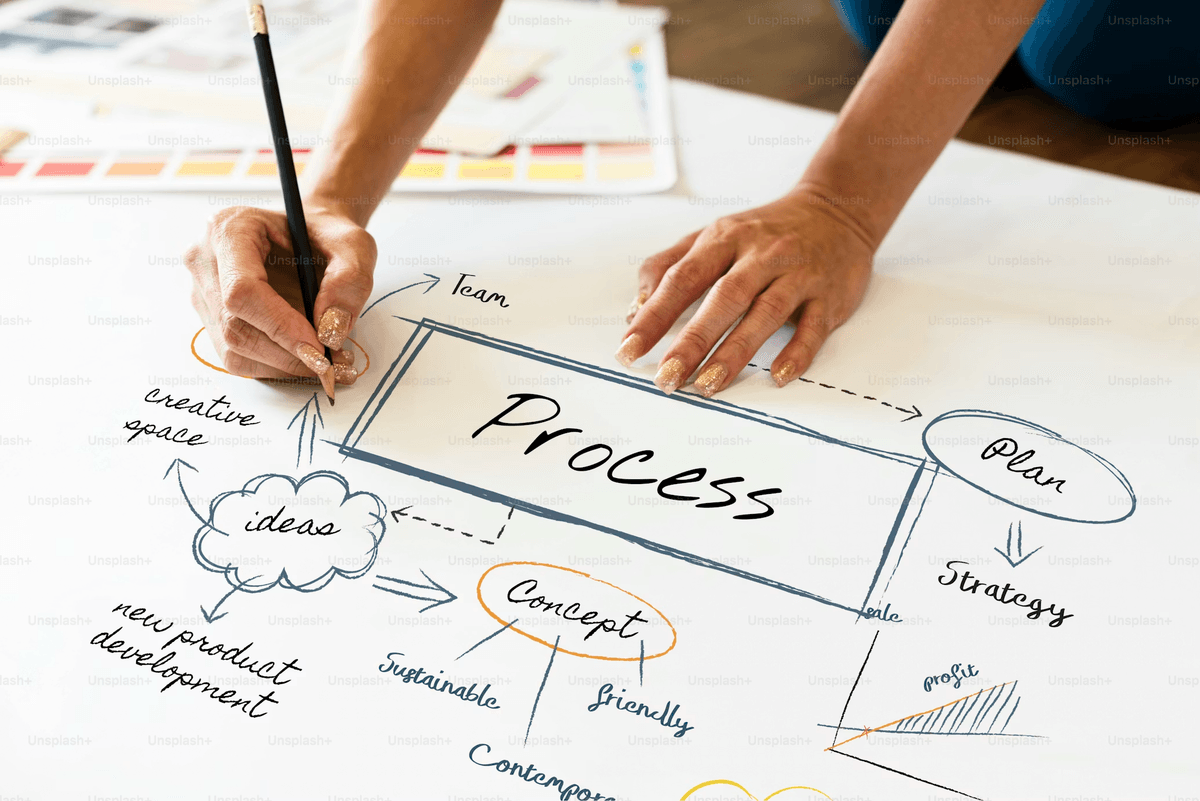
When diving into the world of procurement, it’s essential to grasp its intricacies and how it complements sourcing. While sourcing focuses on identifying and selecting suppliers, procurement encompasses the entire process of acquiring goods and services. Understanding these nuances is crucial for businesses like SSOURCING INC., which thrive on optimizing both functions.
The Procurement Lifecycle
The procurement lifecycle is a systematic approach that outlines the stages involved in acquiring products or services from suppliers. It typically includes needs identification, supplier selection, contract negotiation, order placement, and performance evaluation. By effectively navigating this lifecycle, companies can ensure they are not only meeting their immediate needs but also establishing lasting relationships that differentiate between sourcing and procurement.
In this context, SSOURCING INC. emphasizes the importance of continuous improvement throughout each stage of the procurement lifecycle. This approach allows businesses to refine their processes over time, ultimately leading to enhanced efficiency and cost-effectiveness. Additionally, understanding this lifecycle helps clarify how sourcing fits into the broader picture of procurement.
Strategic vs. Tactical Procurement
When discussing procurement processes, it's vital to distinguish between strategic and tactical approaches. Strategic procurement focuses on long-term goals such as building supplier relationships and aligning with overall business objectives; it’s about creating value over time. On the other hand, tactical procurement involves short-term actions aimed at fulfilling immediate needs—think quick purchases or one-off contracts.
SSOURCING INC.'s focus on strategic procurement allows organizations to leverage their purchasing power while fostering collaboration with suppliers for mutual benefit. This distinction between sourcing and procurement becomes apparent when considering how each approach impacts overall business strategy; while tactical decisions may yield quick wins, strategic choices pave the way for sustainable growth and innovation in supply chain management.
Procurement’s Role in Cost Management
Cost management is a critical aspect of any successful business operation, where effective procurement plays a pivotal role in controlling expenses without sacrificing quality or service levels. By negotiating favorable terms with suppliers and leveraging bulk purchasing opportunities, companies can significantly reduce costs while enhancing their competitive edge—a clear demonstration of how sourcing differs from traditional transactional approaches found in simple procurement practices.
At SSOURCING INC., we believe that integrating cost management strategies within the broader framework of both sourcing and procurement leads to improved financial performance for our clients. This holistic view ensures that every dollar spent contributes not just to immediate operational goals but also supports long-term strategic initiatives aimed at driving value creation across the organization. Ultimately, understanding these dynamics helps businesses navigate complexities inherent in managing costs effectively.
Key Differences Between Sourcing and Procurement

Understanding the difference between sourcing and procurement is crucial for businesses aiming to optimize their operations. While both functions are essential in the supply chain, they serve distinct purposes that can significantly impact a company's success. Let’s delve into these differences, focusing on relationships versus transactions, long-term versus short-term strategies, and value creation versus cost control.
Focus on Relationships vs. Transactions
At its core, the difference between sourcing and procurement lies in their focus: sourcing emphasizes building relationships while procurement is more transaction-oriented. Sourcing involves engaging with suppliers to foster partnerships that can lead to mutual benefits over time; it’s about finding the right fit rather than just the best price. SSOURCING INC. understands that strong supplier relationships can lead to better quality products, innovation, and responsiveness—elements that transactional procurement often overlooks.
In contrast, procurement tends to prioritize immediate transactions aimed at fulfilling specific needs or requirements at the lowest possible cost. This transactional nature can sometimes lead to a lack of engagement with suppliers, reducing opportunities for collaboration and innovation. By recognizing this key difference between sourcing and procurement, businesses can leverage sourcing strategies to enhance their overall supply chain effectiveness.
Long-term vs. Short-term Strategies
Another significant distinction is found in strategic timelines: sourcing typically adopts a long-term perspective while procurement often focuses on short-term goals. The difference between sourcing and procurement becomes apparent when considering how each approach aligns with business objectives; sourcing seeks sustainable solutions that evolve over time, promoting stability and growth within supplier networks. SSOURCING INC.'s methodologies reflect this long-term vision by encouraging clients to invest in partnerships that yield ongoing benefits.
On the other hand, procurement frequently operates under tight deadlines driven by immediate operational needs or budget constraints—often resulting in quick fixes rather than sustainable solutions. While this approach may provide short-term relief or savings, it may inadvertently compromise quality or service levels over time due to lack of supplier engagement or understanding of market dynamics. Recognizing these differing timelines enables organizations to align their strategies effectively—ensuring they don’t sacrifice future potential for present gains.
Value Creation vs. Cost Control
The final key difference between sourcing and procurement revolves around value creation versus cost control—a fundamental concept in business strategy today. Sourcing aims not just at minimizing costs but also at maximizing value through innovative solutions and collaborative efforts with suppliers; it’s about creating a win-win scenario where both parties benefit from shared insights and resources over time.
Conversely, procurement often prioritizes cost control above all else—focusing on negotiating lower prices or securing discounts without necessarily considering how those decisions might impact overall value delivered by the product or service received in return. SSOURCING INC.’s focus on strategic sourcing emphasizes that true success lies not only in controlling expenses but also in enhancing product quality, customer satisfaction, and brand reputation through effective supplier partnerships.
By understanding these critical differences between sourcing and procurement—relationships versus transactions, long-term versus short-term strategies, as well as value creation versus cost control—businesses can make informed decisions that align with their overarching goals while optimizing their supply chain processes effectively.
The Role of Technology

In today's fast-paced business environment, technology plays a pivotal role in streamlining both sourcing and procurement functions. The difference between sourcing and procurement is not just a matter of terminology; it reflects distinct processes that can be significantly enhanced through technological solutions. By leveraging the right tools, companies like SSOURCING INC. can optimize their operations and drive better results.
Sourcing and Procurement Software
Sourcing and procurement software are designed to automate various tasks within these two critical functions, making them more efficient and effective. These platforms help organizations manage supplier relationships, track purchases, and analyze spending patterns—key components that highlight the difference between sourcing and procurement. With features like real-time data analytics, companies can make informed decisions that align with their strategic goals.
Moreover, such software facilitates collaboration among teams by providing a centralized platform for communication and document sharing. This not only enhances transparency but also accelerates the decision-making process—a crucial factor when differentiating between sourcing strategies focused on long-term relationships versus procurement practices aimed at short-term cost savings. SSOURCING INC.'s commitment to integrating cutting-edge software solutions ensures that clients remain competitive in an ever-evolving marketplace.
Impact of AI on Sourcing and Procurement
Artificial Intelligence (AI) is revolutionizing how businesses approach both sourcing and procurement by providing insights that were previously unattainable. One key advantage lies in AI's ability to analyze vast amounts of data quickly, allowing organizations to discern patterns that clarify the difference between sourcing strategies aimed at building partnerships versus procurement tactics focused solely on transaction efficiency. This capability enables firms like SSOURCING INC. to make proactive decisions rather than reactive ones.
Additionally, AI-driven tools can automate routine tasks such as invoice processing or supplier evaluation, freeing up valuable time for professionals to focus on strategic initiatives. As businesses increasingly adopt AI technologies, the lines between sourcing and procurement may blur; however, understanding their unique roles remains essential for maximizing value creation while controlling costs effectively.
SSOURCING INC.'s Tech Solutions
At SSOURCING INC., we pride ourselves on offering innovative tech solutions tailored specifically for optimizing both sourcing and procurement processes. Our proprietary software provides users with robust analytics capabilities that illuminate the differences between these two functions while ensuring seamless integration into existing workflows. By focusing on enhancing supplier relationships through advanced tools, we empower our clients to embrace long-term strategies without sacrificing short-term gains.
Moreover, our commitment to staying ahead of technological trends means we continuously update our offerings with features driven by AI advancements—ensuring our clients are well-equipped for future challenges in the marketplace. Ultimately, leveraging technology not only clarifies the distinction between sourcing and procurement but also positions businesses for sustained success in a competitive landscape.
Real-World Examples of Sourcing vs. Procurement
In the world of business, understanding the difference between sourcing and procurement can be a game-changer. By examining real-world examples from industry giants, we can gain valuable insights into how these concepts are applied in practice. Let's dive into the sourcing strategy of Apple and the procurement approach taken by Walmart to illustrate these distinctions.
Case Study: Apple’s Sourcing Strategy
Apple is renowned for its meticulous sourcing strategy, which focuses on building strong relationships with suppliers rather than merely engaging in transactional exchanges. The company emphasizes quality and innovation in its sourcing processes, ensuring that it partners with suppliers who align with its high standards. This long-term vision not only enhances product quality but also fosters loyalty and collaboration, showcasing a clear example of how effective sourcing differs from traditional procurement practices.
Apple's approach highlights the importance of strategic sourcing in creating value that goes beyond cost savings. By investing time in relationship-building and supplier engagement, Apple secures not just products but also exclusive access to cutting-edge technology and materials. This illustrates that understanding the difference between sourcing and procurement is crucial for companies looking to innovate while maintaining competitive advantage.
Procurement in Action: Walmart's Approach
Walmart has mastered tactical procurement strategies that focus on cost control and operational efficiency, making it a leader in supply chain management. The retail giant employs advanced data analytics to streamline its procurement processes, ensuring that it sources products at the lowest possible prices while maintaining inventory levels that meet consumer demand. This emphasis on short-term gains exemplifies how Walmart prioritizes immediate results over long-term supplier relationships—highlighting another key difference between sourcing and procurement.
Walmart’s ability to leverage economies of scale allows it to negotiate favorable terms with suppliers, effectively driving down costs across its extensive network of stores. While this approach may lead to significant savings, it often lacks the collaborative spirit seen in more strategic sourcing efforts like those at Apple. Thus, Walmart’s model serves as a reminder that effective procurement can yield substantial benefits but may miss out on value creation opportunities inherent in a robust sourcing strategy.
Lessons from Successful Companies
The contrasting approaches taken by Apple and Walmart provide valuable lessons about the difference between sourcing and procurement for businesses across various sectors. Companies should recognize that effective sourcing is not solely about finding low-cost suppliers; it's about fostering partnerships that drive innovation and quality over time. On the other hand, tactical procurement strategies like those employed by Walmart can be highly effective for organizations focused on immediate cost reductions.
Ultimately, successful companies understand when to apply each strategy based on their goals—whether that's enhancing product offerings through innovative partnerships or optimizing costs through efficient purchasing practices. SSOURCING INC.'s solutions aim to bridge these two worlds by providing tools that enhance both strategic sourcing capabilities and streamlined procurement processes—ensuring businesses can thrive regardless of their preferred approach.
Conclusion
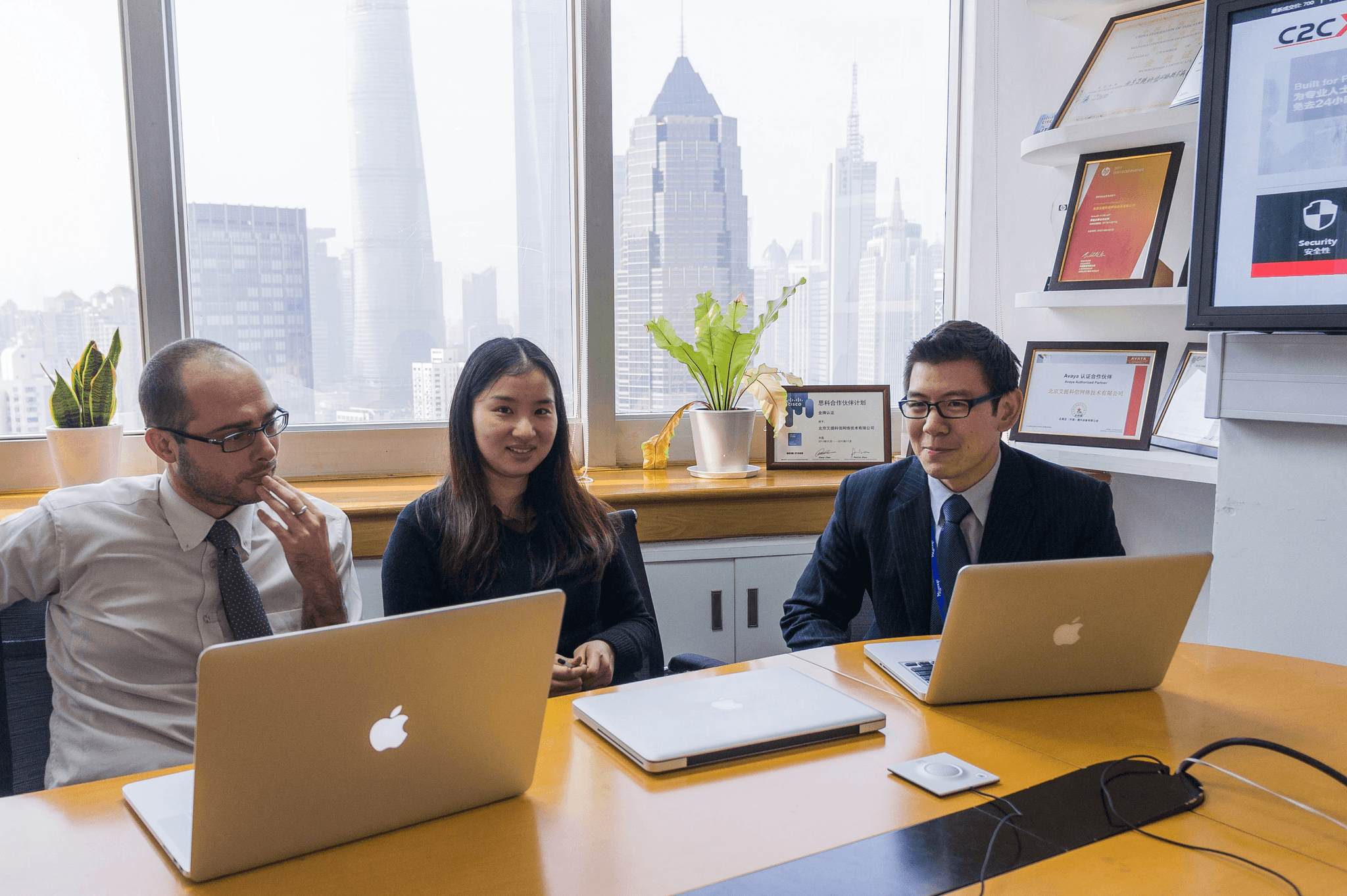
In the world of business, understanding the difference between sourcing and procurement is crucial for developing effective strategies that drive success. Sourcing focuses on building long-term supplier relationships and optimizing resource acquisition, while procurement is centered around the transactional aspects of purchasing goods and services. Recognizing these distinctions allows organizations like SSOURCING INC. to leverage both functions effectively to enhance overall performance.
The Strategic Importance of Sourcing
Sourcing plays a pivotal role in shaping a company's supply chain strategy, influencing everything from product quality to cost efficiency. By emphasizing collaboration with suppliers, businesses can foster innovation and gain competitive advantages that are not just about price but also about value creation. At SSOURCING INC., we understand that an effective sourcing strategy can lead to sustainable partnerships that align with long-term business goals.
Procurement’s Impact on Business Success
On the other hand, procurement directly impacts a company's bottom line by ensuring that resources are acquired at optimal costs without compromising quality or service delivery. Companies that master procurement processes often find themselves in a stronger financial position, enabling them to invest in growth opportunities and improve operational efficiencies. The difference between sourcing and procurement underscores how each function contributes uniquely to overall business success; both are essential yet serve distinct purposes.
Final Thoughts on Sourcing and Procurement
In conclusion, recognizing the difference between sourcing and procurement is fundamental for any organization aiming for excellence in its operations. While sourcing focuses on strategic relationships, procurement hones in on cost management—together they create a robust framework for achieving business objectives. At SSOURCING INC., we believe that integrating these two functions with advanced technology sets companies up for resilience and adaptability in an ever-changing marketplace.