

Introduction
In today's competitive marketplace, the purchasing process in procurement is more crucial than ever. Organizations like SSOURCING INC. understand that effective procurement strategies can significantly impact overall business performance, driving cost efficiencies and enhancing product quality. As companies strive to optimize their operations, grasping the importance of procurement becomes a vital step toward success.
Understanding the Importance of Procurement
The purchasing process in procurement serves as the backbone of any organization, facilitating the acquisition of goods and services necessary for operations. It not only involves negotiating prices but also requires a strategic approach to ensure that resources are utilized efficiently. By recognizing the critical role procurement plays, businesses can align their purchasing strategies with overarching goals, ultimately leading to sustainable growth.
Key Challenges in the Purchasing Process
Despite its significance, navigating the purchasing process in procurement presents several challenges that can hinder effectiveness. From fluctuating market conditions to supplier reliability issues, organizations often find themselves grappling with uncertainties that complicate decision-making. Identifying these challenges early on allows companies like SSOURCING INC. to develop proactive solutions and mitigate risks associated with procurement.
Benefits of Effective Procurement Strategies
Implementing effective procurement strategies yields numerous benefits that extend beyond mere cost savings; it enhances supplier relationships and boosts operational efficiency as well. A streamlined purchasing process in procurement fosters collaboration among teams, ensuring that all stakeholders are aligned on objectives and priorities. By embracing best practices in procurement, organizations can position themselves for long-term success while adapting to evolving market demands.
Defining the Purchasing Process in Procurement
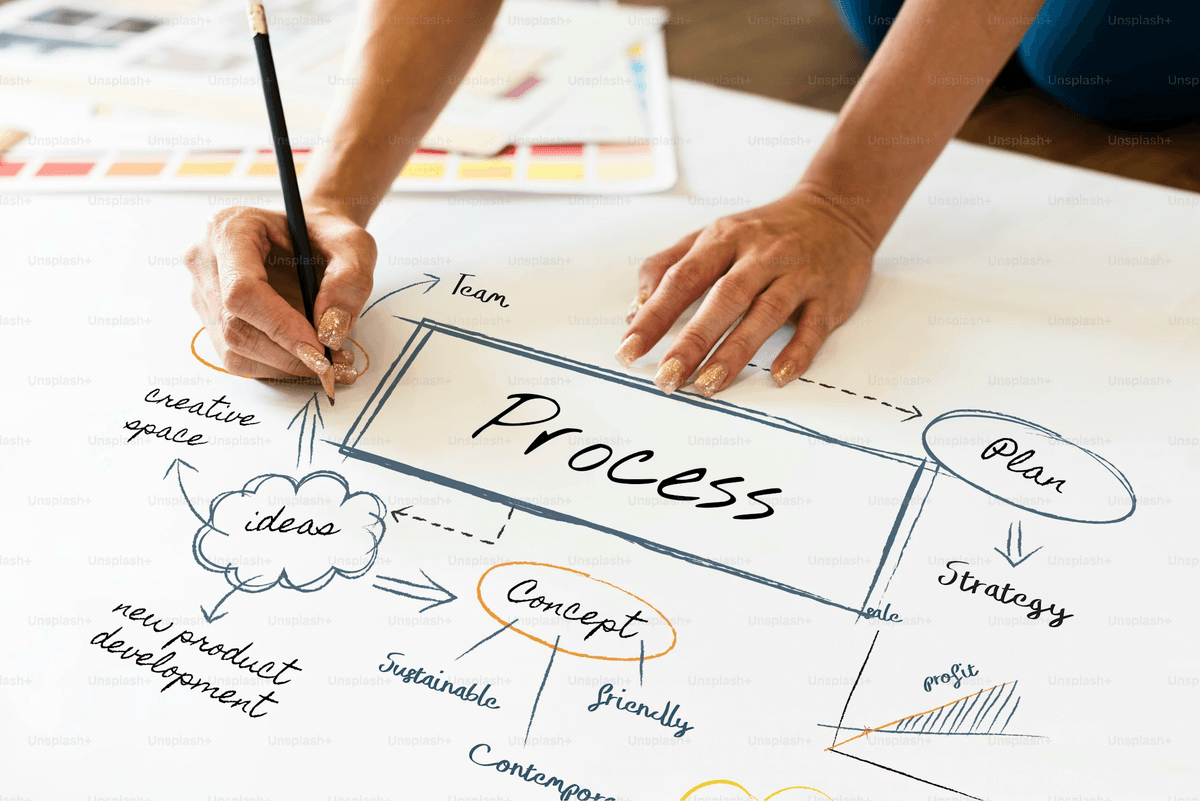
Understanding the purchasing process in procurement is essential for organizations aiming to optimize their operations. This section will explore the stages of the procurement cycle, identify key stakeholders involved in purchasing, and clarify common terminology used throughout this critical business function. By grasping these foundational elements, companies like SSOURCING INC. can enhance their procurement strategies and drive better results.
Stages of the Procurement Cycle
The purchasing process in procurement typically unfolds over several distinct stages that ensure a systematic approach to acquiring goods and services. The first stage is identifying needs, where organizations assess what they require to meet operational demands effectively. Next comes supplier selection, where potential vendors are evaluated based on criteria such as cost, quality, and reliability before negotiations commence.
Following supplier selection is the purchase order creation stage, where formal agreements are established to outline terms and conditions clearly. Once orders are placed, monitoring delivery and performance becomes crucial; this ensures that suppliers meet expectations regarding timelines and quality standards. Finally, evaluation completes the cycle by analyzing supplier performance post-purchase to inform future decisions—a vital step for continuous improvement in the overall purchasing process in procurement.
Stakeholders Involved in Purchasing
The purchasing process in procurement involves various stakeholders who each play a pivotal role at different stages of the cycle. Key players include procurement managers who oversee sourcing strategies and ensure compliance with organizational policies while balancing cost-effectiveness with quality requirements. Additionally, finance teams collaborate closely with procurement professionals to manage budgets effectively and assess financial implications related to purchases.
Cross-functional teams also contribute significantly; for instance, end-users provide insights into product specifications based on their operational needs while IT departments may weigh in on technology-related purchases or software solutions necessary for streamlining processes at SSOURCING INC. Furthermore, suppliers themselves are essential stakeholders whose relationships can dramatically influence not just pricing but also service levels throughout the entire purchasing process in procurement.
Common Procurement Terminology
Familiarity with common terminology is vital for anyone participating in the purchasing process in procurement as it fosters clearer communication among stakeholders. Terms like Request for Proposal (RFP) refer to documents soliciting bids from potential suppliers while Request for Quotation (RFQ) specifically focuses on price quotes from vendors for specific items or services needed by an organization like SSOURCING INC.
Another key term is Total Cost of Ownership (TCO), which encompasses all costs associated with acquiring a product over its entire lifecycle—not just its initial purchase price—allowing businesses to make more informed decisions about long-term investments during their purchasing process in procurement efforts. Lastly, understanding concepts like contract management ensures that all agreements made during negotiations are monitored effectively throughout their duration.
Identifying Your Needs

In the purchasing process in procurement, identifying your needs is a crucial step that sets the foundation for successful outcomes. This stage involves understanding what your organization requires to achieve its goals while ensuring that resources are allocated efficiently. By clearly defining needs, companies like SSOURCING INC. can streamline their procurement efforts and enhance overall effectiveness.
Conducting a Needs Assessment
Conducting a needs assessment is the first step in pinpointing exactly what your organization requires in the purchasing process in procurement. This involves gathering data on current inventory levels, assessing market trends, and understanding stakeholder expectations. By analyzing this information, SSOURCING INC. can make informed decisions that align with business objectives and ensure nothing critical is overlooked.
A comprehensive needs assessment also helps identify gaps between current capabilities and desired outcomes, allowing for focused improvement strategies. It should involve input from various departments to capture a holistic view of requirements across the organization. Ultimately, this thorough approach enables businesses to prioritize spending effectively and mitigate unnecessary costs.
Collaborating with Cross-Functional Teams
Collaboration with cross-functional teams is essential when identifying needs in the purchasing process in procurement. Engaging different departments—such as finance, operations, and marketing—ensures diverse perspectives are considered when determining requirements. At SSOURCING INC., fostering open communication among these teams can lead to more innovative solutions and better alignment of procurement goals.
Additionally, cross-functional collaboration helps break down silos within an organization, promoting a unified approach towards achieving common objectives. Each team brings unique insights that can enhance decision-making processes related to supplier selection or product specifications. By working together effectively, organizations can streamline their purchasing processes and adapt more swiftly to changing market demands.
Prioritizing Requirements Effectively
Once needs have been identified through assessment and collaboration, effective prioritization becomes vital in the purchasing process in procurement. Not all requirements hold equal weight; therefore, it’s important to evaluate which items are critical for immediate action versus those that can be scheduled for later phases of implementation at SSOURCING INC. This strategic prioritization allows for efficient resource allocation while ensuring urgent needs are met promptly.
To prioritize effectively, consider factors such as budget constraints, potential ROI (return on investment), and alignment with long-term organizational goals. Utilizing tools such as scoring matrices or decision-making frameworks can aid in making these evaluations clearer and more objective. Ultimately, by focusing on high-priority items first, organizations can maximize their impact on overall operational efficiency.
Supplier Selection Strategies

Selecting the right suppliers is a pivotal step in the purchasing process in procurement that can significantly influence your organization's overall efficiency and effectiveness. A well-thought-out supplier selection strategy not only ensures that you acquire quality goods and services but also fosters long-term relationships that can lead to mutual growth. At SSOURCING INC., we understand that the right suppliers can be the backbone of your procurement strategy, so let’s dive into how to choose them wisely.
Criteria for Evaluating Suppliers
When it comes to evaluating suppliers, you need a robust set of criteria to ensure you're making informed decisions. Key factors include financial stability, quality of products or services, delivery performance, and compliance with industry standards. Additionally, assessing their capacity for innovation and responsiveness can help you determine if they align with your strategic goals within the purchasing process in procurement.
Another crucial aspect is understanding their sustainability practices—after all, a supplier’s commitment to environmental responsibility can reflect positively on your own brand image. By establishing clear evaluation criteria early on, you streamline your purchasing process in procurement and set yourself up for successful partnerships down the line.
Importance of Supplier Relationships
Building strong relationships with suppliers is more than just good business; it's an essential component of a successful purchasing process in procurement. A collaborative relationship fosters open communication, which leads to better negotiation outcomes and improved problem-solving capabilities when challenges arise. At SSOURCING INC., we believe that investing time in nurturing these relationships pays off through enhanced trust and reliability.
Moreover, strong supplier relationships can lead to exclusive benefits such as priority service during peak times or access to new products before they hit the market. By prioritizing relationship-building alongside traditional metrics of performance, you create a win-win scenario where both parties thrive within the purchasing process in procurement.
Tools for Supplier Assessment
In today's digital age, leveraging technology can significantly enhance your supplier assessment efforts within the purchasing process in procurement. Various tools are available that allow organizations like SSOURCING INC. to automate evaluations based on predefined criteria while providing real-time data analytics for deeper insights into supplier performance. From scorecards to comprehensive dashboards, these tools enable efficient tracking of key performance indicators (KPIs).
Additionally, utilizing platforms that facilitate feedback collection from various stakeholders ensures a holistic view of potential suppliers' capabilities and reliability over time. By integrating these assessment tools into your procurement strategy, you not only simplify decision-making but also enhance transparency throughout the entire purchasing process in procurement.
Negotiation Tactics for Success

Negotiation is a critical component of the purchasing process in procurement, where the stakes can be high and the outcomes significantly impact an organization’s bottom line. Mastering negotiation tactics not only helps secure favorable terms but also fosters long-lasting relationships with suppliers. In this section, we will explore key techniques, strategies for building win-win scenarios, and how to leverage market data effectively.
Key Negotiation Techniques
When engaging in negotiations during the purchasing process in procurement, having a solid arsenal of techniques is essential. One fundamental technique is preparation; knowing your needs and limits can help you stay focused during discussions. Additionally, active listening plays a vital role—understanding the supplier's perspective can lead to more effective solutions that benefit both parties.
Another powerful technique is anchoring, where you set an initial offer that guides the negotiation toward your desired outcome. This can be especially useful when discussing pricing or contract terms with suppliers. Lastly, don't underestimate the power of patience; sometimes waiting for the right moment to make your move can yield better results than rushing into decisions.
Building Win-Win Scenarios
Creating win-win scenarios should be at the forefront of any negotiation strategy within the purchasing process in procurement. This approach ensures that both parties feel satisfied with the outcome and are more likely to maintain a positive relationship moving forward. To achieve this, it's crucial to identify common goals and interests early on in negotiations.
Collaboration rather than competition should be your mantra—working together with suppliers can lead to innovative solutions that benefit both sides. For instance, if SSOURCING INC. approaches a supplier about adjusting delivery timelines while ensuring quality standards are met, it could result in cost savings for both parties while enhancing efficiency.
Additionally, being transparent about your organization's constraints and objectives encourages trust and opens up avenues for creative problem-solving during negotiations. The goal here isn't just to win but to foster long-term partnerships that enhance overall procurement effectiveness.
Leveraging Market Data in Negotiations
In today’s data-driven world, leveraging market data is essential during negotiations within the purchasing process in procurement. By analyzing relevant market trends and pricing benchmarks before entering discussions, you equip yourself with valuable insights that strengthen your position at the negotiating table. For example, if SSOURCING INC. knows industry standards for pricing or delivery times based on current data analytics reports, it can confidently negotiate better rates or terms.
Moreover, presenting factual data during negotiations helps mitigate emotional responses from suppliers who may otherwise resist changes or concessions you're proposing. It lays a foundation for rational discussion based on evidence rather than assumptions or guesses about what might be reasonable.
Finally, keeping an eye on competitor activities can provide additional leverage; understanding what others are paying or how they negotiate terms allows you to adjust your strategies accordingly—ensuring you're always one step ahead in securing optimal deals through effective negotiation techniques.
Implementing the Purchasing Process

Implementing an effective purchasing process in procurement is essential for organizations looking to optimize their operations and achieve cost savings. At SSOURCING INC., we recognize that a well-structured approach can significantly enhance efficiency and productivity. By streamlining procedures, leveraging technology, and ensuring compliance, businesses can create a seamless procurement experience.
Streamlining Procurement Procedures
Streamlining procurement procedures involves simplifying and optimizing each step of the purchasing process in procurement to reduce delays and increase efficiency. This means identifying bottlenecks, eliminating unnecessary steps, and ensuring that all stakeholders are aligned with the goals of the organization. At SSOURCING INC., we advocate for a systematic approach where best practices are established to enhance communication among teams involved in procurement.
By creating standardized templates and checklists for various stages of the purchasing process in procurement, organizations can minimize confusion and maintain consistency across projects. Additionally, regular training sessions can keep team members updated on any changes or improvements made to these procedures. Ultimately, streamlining not only saves time but also fosters a culture of accountability within the organization.
Role of Technology in Procurement
In today's digital age, technology plays a pivotal role in transforming the purchasing process in procurement into a more efficient endeavor. Tools like e-procurement platforms enable real-time tracking of purchases, automated workflows, and enhanced data analytics capabilities that inform decision-making at every stage. SSOURCING INC. believes that embracing technology is no longer optional; it’s essential for staying competitive.
Moreover, integrating artificial intelligence (AI) into procurement processes allows organizations to predict demand trends accurately and manage supplier relationships proactively. Cloud-based solutions further facilitate collaboration among cross-functional teams by providing access to vital information from anywhere at any time—making it easier than ever to navigate the complexities of modern procurement strategies. The result is an agile purchasing process that adapts quickly to changing market conditions.
Ensuring Compliance and Risk Management
Ensuring compliance with regulations and managing risks effectively are crucial elements when implementing the purchasing process in procurement. Organizations must be aware of legal requirements related to sourcing materials or services while also keeping an eye on ethical standards within their supply chains. SSOURCING INC.'s commitment to compliance means regularly reviewing policies to ensure they meet current regulations.
Additionally, risk management strategies should be integrated throughout the purchasing process in procurement by identifying potential risks related to suppliers or market fluctuations early on—allowing for proactive measures rather than reactive responses later down the line. Utilizing risk assessment tools helps evaluate supplier reliability while maintaining transparency throughout transactions ensures accountability at every level of engagement with vendors or partners.
In conclusion, implementing an effective purchasing process in procurement requires careful attention to detail across various facets including streamlined procedures, technological integration, compliance adherence, and risk management strategies—all pivotal components for successful organizational performance moving forward.
Conclusion

As we wrap up our exploration of the purchasing process in procurement, it’s clear that understanding its intricacies can significantly impact an organization’s success. The purchasing process is not just about acquiring goods and services; it’s a strategic endeavor that involves careful planning, stakeholder collaboration, and effective supplier management. By recognizing the key components and challenges of this process, businesses can position themselves for sustainable growth.
Key Takeaways from the Purchasing Process
One of the most crucial takeaways from our discussion on the purchasing process in procurement is the importance of a structured approach. Each stage of this process—from need assessment to supplier selection—requires diligence and strategic thinking to ensure optimal outcomes. Additionally, fostering strong relationships with suppliers can lead to better negotiation outcomes and enhanced service delivery.
Another significant takeaway is that involving cross-functional teams in the purchasing process can yield richer insights and better align procurement strategies with organizational goals. Collaboration across departments helps prioritize needs effectively while also ensuring compliance with regulatory standards. Ultimately, integrating these insights into your procurement strategy will elevate your organization's efficiency.
Enhancing Procurement Efficiency
Enhancing procurement efficiency is essential for organizations looking to maximize their resources and minimize waste in the purchasing process in procurement. Streamlining procedures through technology adoption—like e-procurement systems—can automate repetitive tasks, freeing up time for strategic decision-making. SSOURCING INC., for instance, leverages advanced tools to optimize its procurement workflows while maintaining compliance with industry regulations.
Moreover, continuous evaluation of supplier performance ensures that your organization remains agile and responsive to market changes. By regularly assessing supplier capabilities against pre-defined criteria, businesses can make informed decisions about whom to partner with moving forward. This proactive approach not only enhances efficiency but also fosters stronger partnerships over time.
Future Trends in Procurement Strategies
Looking ahead, several trends are set to shape the future of procurement strategies within organizations worldwide. One notable trend is the increasing reliance on data analytics to inform decisions throughout the purchasing process in procurement. Utilizing big data allows companies like SSOURCING INC. to predict market shifts and optimize their supply chain accordingly.
Furthermore, sustainability will play a pivotal role as companies strive for greener practices within their supply chains—an aspect increasingly valued by consumers today. Organizations must adapt by integrating sustainability metrics into their supplier evaluations and overall procurement strategies moving forward. Embracing these trends will not only enhance operational effectiveness but also ensure alignment with evolving consumer expectations.