

Introduction
In a world where consumers are increasingly aware of their purchasing power, ethical sourcing has emerged as a crucial aspect of modern business practices. As companies strive to align their operations with values that resonate with their customers, understanding the importance of ethical sourcing becomes essential. At SSOURCING INC., we recognize that ethical sourcing examples not only enhance brand reputation but also foster a positive impact on society and the environment.
Discover the Importance of Ethical Sourcing
Ethical sourcing is about more than just acquiring materials; it's about creating an entire ecosystem that prioritizes sustainability and fairness. By choosing to source ethically, businesses can ensure that their products are made from sustainable materials and produced under fair labor conditions. This commitment not only reflects corporate responsibility but also sets a standard for others in the industry, showcasing how ethical sourcing examples can drive meaningful change.
Why Ethical Sourcing Matters for Businesses
For businesses, embracing ethical sourcing is no longer merely a trend; it’s an expectation from consumers who demand transparency and accountability. Companies that prioritize ethical practices often enjoy enhanced customer loyalty, as consumers are more likely to support brands that align with their values. Furthermore, incorporating ethical sourcing examples into business strategies can lead to innovation and efficiency, ultimately benefiting the bottom line.
The Impact of Ethical Sourcing on Consumers
Consumers today are more informed than ever about the origins of their purchases and the implications behind them. When brands adopt ethical sourcing practices, they empower consumers to make choices that reflect their values—such as supporting fair labor or environmentally friendly initiatives. This shift not only enhances consumer trust but also encourages a culture where responsible consumption becomes the norm—a win-win scenario for all involved.
Patagonia: Pioneering Environmental Responsibility
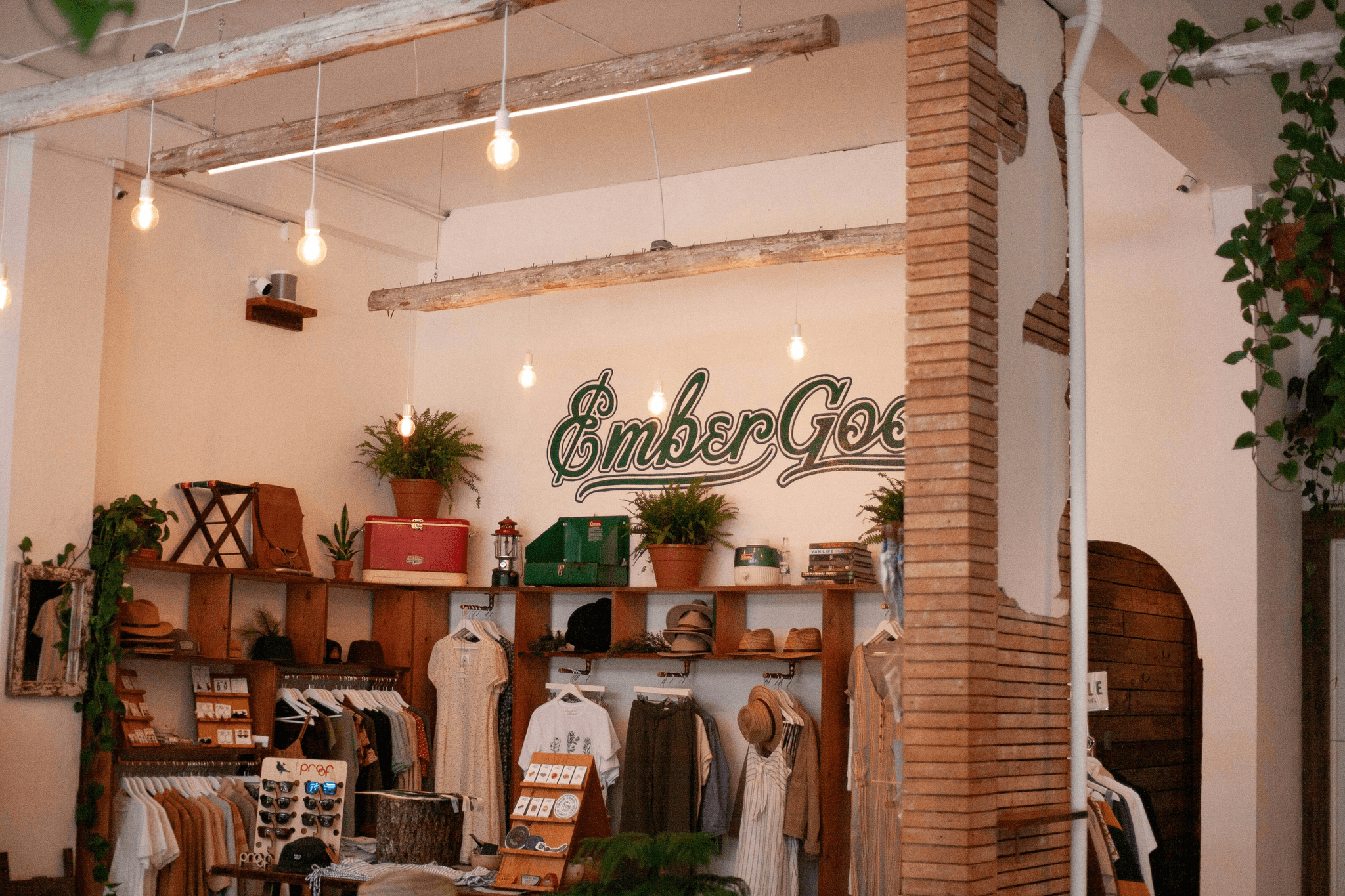
Patagonia is often hailed as a trailblazer in the realm of ethical sourcing examples. The company has woven environmental responsibility into its very fabric, making it a model for businesses seeking to balance profit with purpose. By prioritizing sustainability and ethical practices, Patagonia demonstrates how companies can thrive while caring for the planet.
Sustainable Materials and Production Practices
At the heart of Patagonia's commitment to ethical sourcing is its focus on sustainable materials and production practices. The company uses organic cotton, recycled polyester, and other eco-friendly materials to create its products, minimizing environmental impact. By championing these sustainable practices, Patagonia sets a benchmark for other brands looking to adopt similar ethical sourcing examples in their operations.
Moreover, Patagonia goes beyond just using sustainable materials; they also ensure that their production processes are environmentally friendly. For instance, they have invested in innovative technologies that reduce water usage and energy consumption during manufacturing. This holistic approach not only benefits the environment but also inspires consumers to support brands that prioritize responsible sourcing.
Fair Labor Initiatives
Patagonia's dedication to fair labor initiatives is another key aspect of its ethical sourcing strategy. The company believes that everyone involved in their supply chain deserves fair wages and safe working conditions—a principle that resonates deeply with socially conscious consumers today. By adhering to rigorous labor standards and conducting regular audits of their factories, Patagonia exemplifies how businesses can implement ethical sourcing examples while fostering a positive workplace culture.
Additionally, Patagonia supports workers' rights by engaging with organizations that advocate for fair labor practices globally. This commitment goes beyond mere compliance; it reflects a genuine concern for the well-being of individuals who contribute to the brand's success. As SSOURCING INC., we recognize how crucial such initiatives are in shaping an equitable marketplace where everyone thrives.
Transparency in Supply Chains
Transparency is at the core of Patagonia’s business philosophy—an essential element when discussing ethical sourcing examples. The company openly shares information about its supply chain, allowing consumers to trace the journey of their products from raw materials to finished goods. This level of transparency not only builds trust but also empowers customers to make informed choices aligned with their values.
Moreover, Patagonia encourages other companies to follow suit by sharing best practices and collaborating on industry-wide initiatives aimed at improving supply chain transparency. This willingness to lead by example reinforces the notion that businesses can—and should—act ethically without sacrificing profitability or quality. At SSOURCING INC., we believe this kind of openness is vital for driving systemic change across industries focused on sustainable growth.
TOMS: Shoes with a Purpose
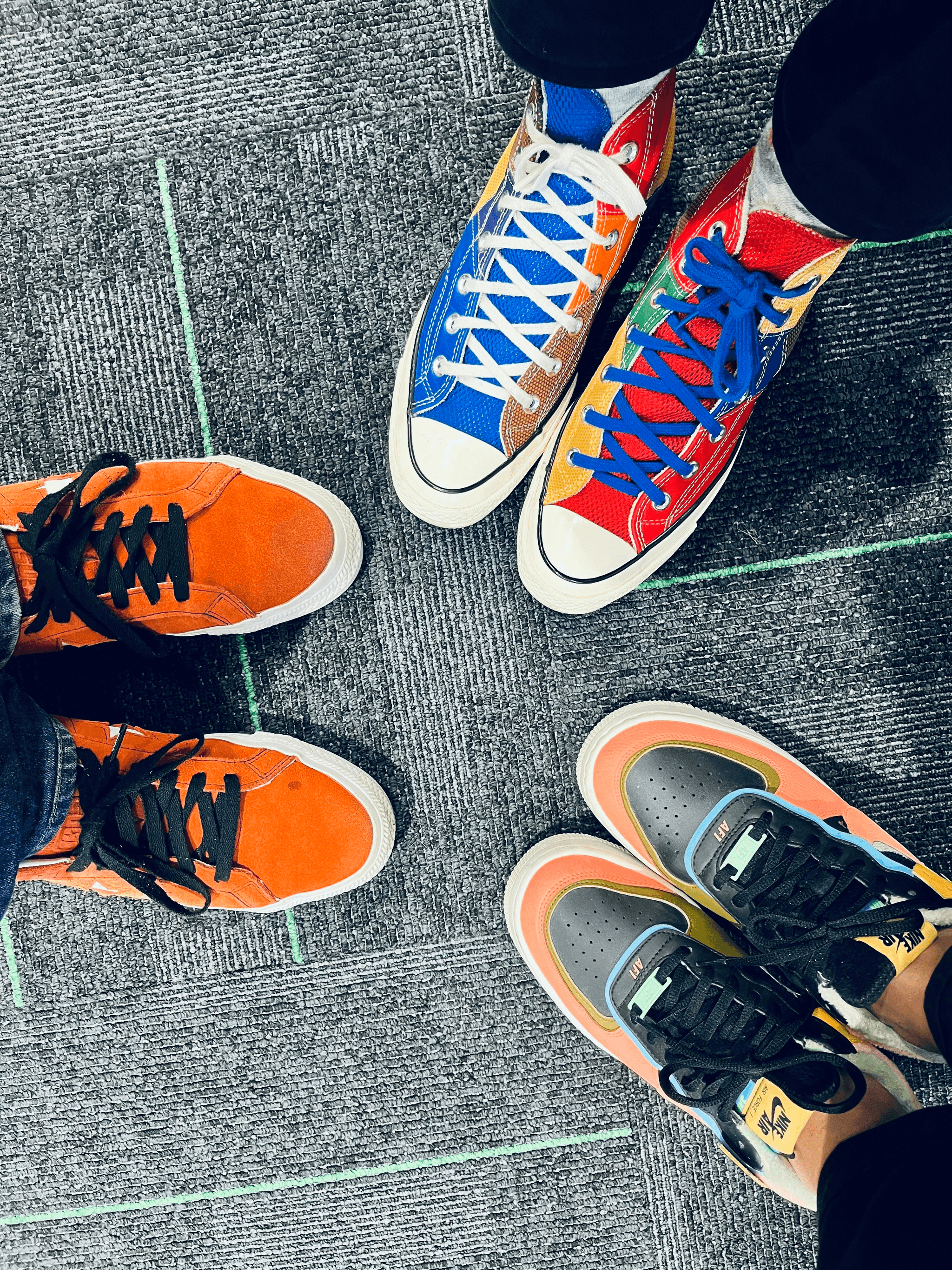
TOMS has carved out a unique niche in the footwear industry by marrying fashion with philanthropy, showcasing some of the best ethical sourcing examples. Their mission revolves around a simple yet powerful concept: for every pair of shoes purchased, they donate another pair to someone in need. This One-for-One giving model not only addresses immediate needs but also inspires consumers to make thoughtful purchases that contribute to social good.
One-for-One Giving Model
The heart of TOMS' business strategy is its One-for-One giving model, which has become one of the most recognizable ethical sourcing examples in the market. Each time a customer buys a pair of shoes, TOMS ensures that a new pair is given to someone who lacks access to proper footwear, tackling issues like health and education barriers in impoverished communities. By integrating this philanthropic approach into their business model, TOMS empowers consumers to feel good about their purchases while making a tangible difference in the lives of others.
Partnerships with Local Artisans
TOMS takes ethical sourcing seriously by forming partnerships with local artisans around the globe, enhancing both product quality and community resilience. These collaborations allow artisans to create unique designs while ensuring fair wages and safe working conditions—an essential aspect of ethical sourcing examples that many companies overlook. By investing in local talent and craftsmanship, TOMS not only supports economic development but also enriches its product offerings with authentic stories behind each shoe.
Commitment to Community Development
Beyond just providing shoes, TOMS is deeply committed to community development initiatives that extend far beyond footwear donations—this is where they shine as an exemplary case among ethical sourcing examples. The company invests in programs focused on education, health care, and mental health services for communities they serve, creating sustainable change rather than temporary fixes. Through these efforts, TOMS demonstrates that businesses can play an integral role in fostering social well-being while maintaining profitability—a win-win for consumers and communities alike.
Starbucks: Ethical Coffee Sourcing

Starbucks has long been a champion of ethical sourcing, particularly in the coffee industry. As one of the largest coffeehouse chains globally, its commitment to ethical practices sets a benchmark for others to follow. By prioritizing sustainability and social responsibility, Starbucks showcases how ethical sourcing examples can create a positive ripple effect throughout the supply chain.
Fair Trade Certification
One of Starbucks' most notable initiatives is its dedication to Fair Trade certification. This certification ensures that coffee farmers receive fair prices for their beans, which directly impacts their livelihoods and communities. By choosing Fair Trade certified products, Starbucks not only supports ethical sourcing examples but also encourages other businesses to consider similar practices.
Starbucks has made significant strides in increasing the availability of Fair Trade certified coffee across its locations. This commitment reflects the company's belief that consumers should be able to enjoy their favorite beverages while knowing they are making a positive impact on the world. In turn, this fosters consumer loyalty and trust—key components in today’s market.
Supporting Coffee Farmers
Beyond certifications, Starbucks actively invests in programs that support coffee farmers directly. Through initiatives like the Coffee and Farmer Equity (C.A.F.E.) Practices program, Starbucks ensures that farmers receive training, resources, and fair compensation for their efforts. These programs exemplify how ethical sourcing examples can empower communities and promote sustainable farming practices.
By collaborating with organizations such as Conservation International, Starbucks helps farmers adopt environmentally friendly techniques that enhance productivity while protecting natural resources. This approach not only benefits farmers but also contributes to a more sustainable supply chain overall—an essential aspect of SSOURCING INC.'s mission as well.
Environmental Stewardship
Starbucks recognizes that ethical sourcing goes hand-in-hand with environmental stewardship—another vital component of its business model. The company has committed to reducing its carbon footprint by implementing sustainable practices throughout its operations, from bean cultivation to store management. These efforts serve as prime ethical sourcing examples for businesses looking to make a difference in their industries.
In addition to focusing on renewable energy sources and waste reduction strategies, Starbucks also invests in agroforestry projects that help restore ecosystems affected by climate change. By prioritizing both social responsibility and environmental health, Starbucks demonstrates how companies can thrive while contributing positively to society—a principle at the heart of SSOURCING INC.'s values.
Warby Parker: Vision with a Mission

Warby Parker has transformed the eyewear industry by combining stylish, affordable glasses with a strong social mission. Their commitment to ethical sourcing examples is evident in every aspect of their business model, ensuring that customers can look good while doing good. By prioritizing social impact alongside profitability, Warby Parker sets a benchmark for other companies to follow.
Affordable Eyewear and Social Impact
One of the standout features of Warby Parker is its dedication to providing affordable eyewear without compromising on quality or style. By cutting out the middleman and selling directly to consumers, they have managed to keep prices low while maintaining high standards in design and materials. This approach not only makes eyewear accessible but also serves as an ethical sourcing example that encourages other brands to rethink their pricing strategies.
The company's focus on affordability goes hand in hand with its mission-driven ethos, which resonates with socially conscious consumers. In an industry where markup prices can soar into the stratosphere, Warby Parker demonstrates that you can create a sustainable business model that prioritizes both profit and purpose. As SSOURCING INC. believes, when businesses lead with integrity and transparency, everyone wins.
Donation of Glasses for Every Pair Sold
Warby Parker’s One-for-One program epitomizes their commitment to giving back; for every pair of glasses sold, they donate a pair to someone in need. This initiative not only addresses the global vision crisis but also exemplifies ethical sourcing examples by integrating social responsibility directly into their business model. By partnering with nonprofit organizations around the world, they ensure that those who receive donated glasses are supported through comprehensive vision care solutions.
This innovative approach allows customers to feel like active participants in making a difference—every purchase contributes to improving lives around the globe. The donation program highlights how businesses can leverage their resources for social good while still achieving financial success. In line with SSOURCING INC.'s philosophy on ethical practices, this model proves that altruism can coexist beautifully with entrepreneurship.
Eye Care Initiatives
Beyond just donating glasses, Warby Parker engages in various eye care initiatives aimed at enhancing overall community health and education about vision issues. They collaborate with local organizations to provide eye exams and treatment options for underserved populations—an impactful extension of their mission-driven focus. These efforts serve as prime ethical sourcing examples by showcasing how companies can contribute positively beyond mere transactions.
Moreover, these initiatives foster community engagement and awareness about the importance of eye health—a crucial yet often overlooked aspect of well-being worldwide. By investing in these programs, Warby Parker not only champions accessibility but also empowers communities through education and support systems related to eye care needs. At SSOURCING INC., we recognize that such forward-thinking approaches are vital for inspiring change across industries.
Fairphone: Revolutionizing the Smartphone Industry

In a world dominated by fast technology and disposable gadgets, Fairphone stands out as a beacon of hope for ethical sourcing examples in the smartphone industry. This innovative company is not just about creating smartphones; it’s about redefining how we think about our devices and their impact on the planet. By prioritizing ethical practices, Fairphone is challenging the status quo and inspiring consumers to consider the broader implications of their purchases.
Ethical Material Sourcing
Fairphone takes a bold stance on ethical material sourcing by ensuring that the raw materials used in their devices are responsibly sourced. They focus on conflict-free minerals, which means avoiding materials that fund violence or exploitation in conflict zones. This commitment to ethical sourcing examples not only helps protect communities but also sets a precedent for other tech companies to follow suit.
The company works closely with suppliers to promote transparency and accountability, ensuring that every component of their smartphones is ethically obtained. By choosing Fairphone, consumers are not just buying a device; they’re supporting an initiative that values sustainability and social responsibility. SSOURCING INC. recognizes this vital approach as an essential part of modern business practices.
Fair Labor Practices in Production
Fairphone's dedication to fair labor practices is another cornerstone of its mission, showcasing yet another compelling example of ethical sourcing in action. The company collaborates with factories that adhere to strict labor standards, ensuring safe working conditions and fair wages for all employees involved in production processes. This commitment helps create a more equitable tech industry where workers are treated with respect and dignity.
By investing in fair labor practices, Fairphone challenges the exploitative norms often found within global supply chains. They believe that everyone involved—from miners to factory workers—should benefit from the production process rather than be marginalized or exploited. SSOURCING INC. applauds such initiatives as they inspire businesses across various sectors to rethink how they approach labor ethics.
Longevity and Repairability Focus
One of the most revolutionary aspects of Fairphone is its focus on longevity and repairability, which contrasts sharply with the throwaway culture prevalent in many industries today. Their smartphones are designed to last longer than typical devices, allowing users to replace individual components instead of discarding an entire phone when something goes wrong—a prime example of sustainable design principles at work!
This emphasis on repairability not only extends the life cycle of their products but also reduces electronic waste significantly—an issue that's becoming increasingly critical as our world becomes more digitized. By encouraging consumers to fix rather than replace, Fairphone exemplifies how ethical sourcing examples can lead directly to environmental stewardship while promoting consumer awareness around sustainability issues.
Conclusion
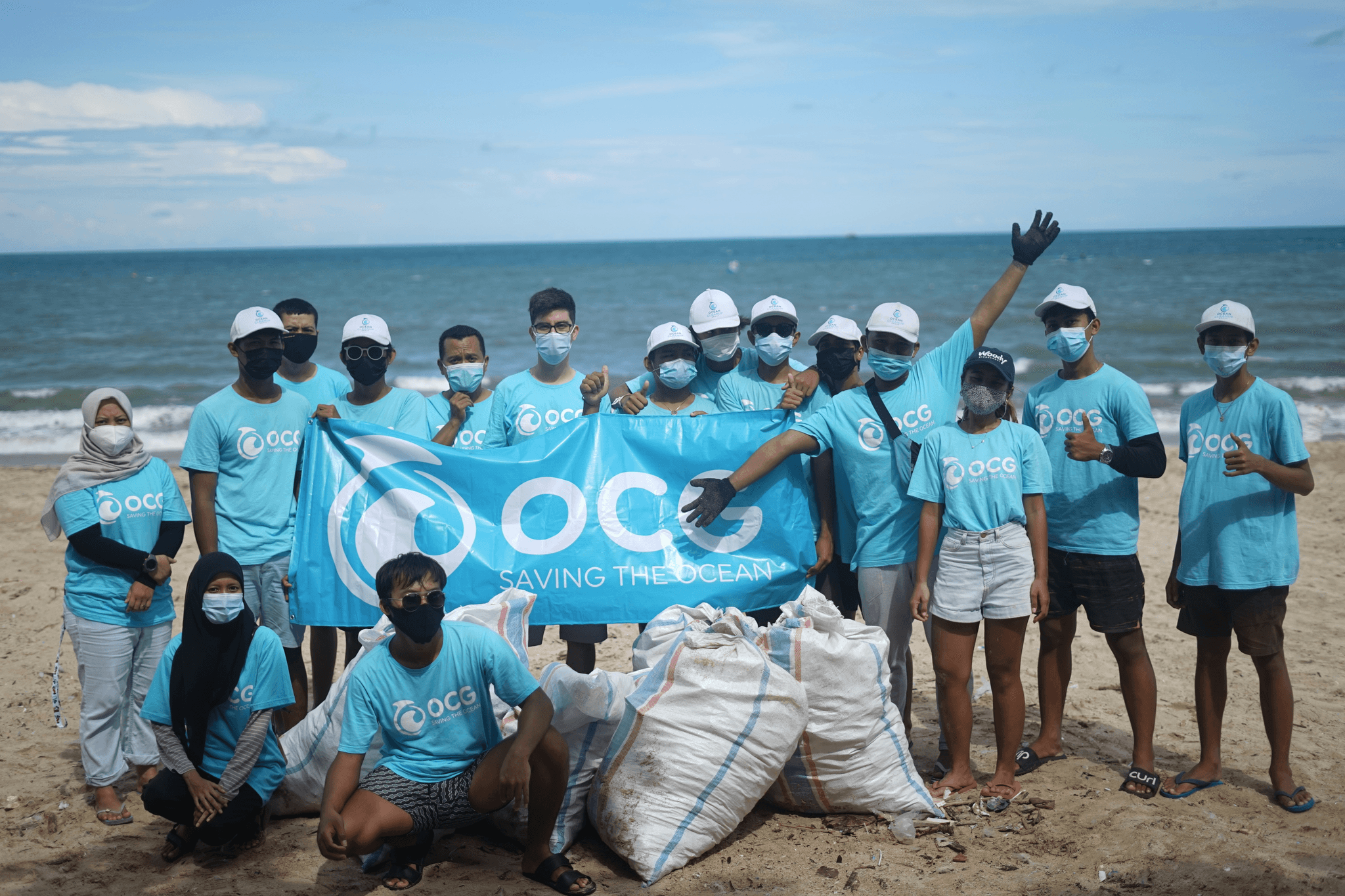
In a world increasingly concerned with sustainability and social responsibility, ethical sourcing examples are not just trends; they are vital for driving meaningful change. Companies like Patagonia, TOMS, Starbucks, Warby Parker, and Fairphone illustrate how businesses can redefine their practices to prioritize ethics over mere profit. By embracing these models, brands not only enhance their reputations but also contribute positively to the communities they serve.
Ethical Sourcing Examples Drive Change
The impact of ethical sourcing examples can be transformative across industries. When businesses adopt ethical practices, they set a precedent that encourages others to follow suit, creating a ripple effect throughout the marketplace. This shift towards responsible sourcing is more than just a moral obligation; it’s a powerful movement that inspires consumers and companies alike to make conscientious choices.
How Consumers Benefit from Ethical Choices
Consumers today are more informed than ever and often seek out brands that align with their values. By choosing products from companies committed to ethical sourcing examples, shoppers support fair labor practices and sustainable materials while feeling good about their purchases. This connection fosters brand loyalty and empowers consumers to drive change through their buying decisions.
SSOURCING INC. and the Future of Ethical Sourcing
At SSOURCING INC., we believe in leading the charge for ethical sourcing in every aspect of our operations. Our commitment goes beyond compliance; we aim to set high standards that inspire others within our industry to prioritize ethics as well. As we look toward the future of ethical sourcing examples, we envision a world where responsible practices become the norm rather than the exception—because when businesses thrive ethically, everyone wins.