

Introduction
In the fast-paced world of business, procurement goods and services play a critical role in ensuring an organization’s success. From raw materials to office supplies, the procurement process not only affects the bottom line but also influences overall operational efficiency. As companies strive to remain competitive, understanding the nuances of procurement becomes increasingly vital.
The Importance of Procurement Goods and Services
Procurement goods and services are essential for maintaining a seamless supply chain and fulfilling customer demands. Efficient procurement practices can lead to significant cost savings, improved quality, and enhanced supplier relationships. By prioritizing effective procurement strategies, businesses can position themselves for sustainable growth while adapting to market changes.
Key Challenges in Modern Procurement
Despite its importance, modern procurement faces several challenges that can hinder success. Issues such as supply chain disruptions, fluctuating costs, and compliance with regulations create a complex landscape for procurement professionals. Additionally, the rapid pace of technological advancements requires organizations to continually adapt their approaches to stay relevant in an ever-evolving market.
How SSOURCING INC. Transforms Procurement
SSOURCING INC. is at the forefront of transforming how businesses approach procurement goods and services by leveraging innovative solutions tailored to specific needs. With a focus on enhancing supplier relationships and streamlining processes through technology, SSOURCING INC. empowers organizations to overcome common challenges in modern procurement effectively. By embracing these transformative strategies, companies can achieve greater efficiency and profitability while navigating today’s competitive landscape.
Understanding Procurement Strategies

In the complex landscape of procurement, developing effective strategies is essential for aligning procurement goods and services with broader business objectives. Organizations must navigate various approaches to ensure that their procurement processes not only meet immediate needs but also contribute to long-term success. By understanding key strategies, businesses can enhance efficiency and drive value through their procurement activities.
Aligning Procurement with Business Goals
Aligning procurement goods and services with business goals is fundamental for any organization aiming to thrive in today's competitive market. When procurement aligns closely with strategic objectives, it can lead to cost savings, improved supplier relationships, and enhanced operational efficiency. SSOURCING INC. emphasizes that a well-defined alignment ensures that every purchase contributes directly to the company's mission and vision.
To achieve this alignment, organizations should first identify their core objectives—whether it's reducing costs, enhancing quality, or fostering innovation—and then tailor their procurement strategies accordingly. This involves engaging stakeholders across departments to understand their needs and ensuring that procurement decisions support overarching business priorities. Ultimately, when procurement is strategically aligned, it transforms from a transactional function into a vital driver of organizational success.
Benefits of Centralized vs. Decentralized Procurement
The debate between centralized versus decentralized procurement is ongoing, each approach offering unique benefits in managing procurement goods and services effectively. Centralized procurement allows for greater control over spending and standardized processes across the organization, which can lead to bulk purchasing discounts and streamlined operations. SSOURCING INC.'s experience shows that this model often results in stronger negotiation power with suppliers due to consolidated purchasing volumes.
On the flip side, decentralized procurement offers flexibility by empowering individual departments or units to make purchasing decisions based on specific needs. This approach can foster quicker decision-making processes and enhance responsiveness to local demands but may lead to inconsistencies in supplier selection or pricing strategies across the organization. Ultimately, choosing between centralized or decentralized models depends on an organization's size, structure, and strategic goals—finding the right balance is key.
Role of Technology in Modern Procurement
Technology plays a transformative role in modernizing how organizations manage their procurement goods and services—making processes more efficient than ever before! From e-procurement systems that streamline ordering processes to advanced analytics tools providing insights into spending patterns, technology enhances decision-making capabilities within the supply chain landscape. SSOURCING INC.'s commitment to leveraging cutting-edge technology ensures clients benefit from increased transparency and reduced operational risks.
Moreover, automation technologies help reduce manual errors while speeding up transaction times significantly; this allows teams more time for strategic activities rather than being bogged down by administrative tasks. Cloud-based platforms enable real-time collaboration among stakeholders regardless of location—facilitating better communication between buyers and suppliers alike! As technology continues evolving at breakneck speed, those who embrace these advancements will undoubtedly gain a competitive edge in managing their procurement efforts efficiently.
Supplier Relationship Management
In today's fast-paced business environment, effective supplier relationship management is essential for optimizing procurement goods and services. Strong partnerships with suppliers can lead to better pricing, improved quality, and enhanced innovation. SSOURCING INC. recognizes that fostering these relationships is not just about transactions; it’s about creating a collaborative ecosystem where both parties can thrive.
Building Strong Supplier Partnerships
Building strong supplier partnerships begins with open communication and mutual respect. At SSOURCING INC., we believe that understanding a supplier's capabilities and challenges is key to forming a solid foundation for collaboration. Regular meetings, transparent sharing of information, and joint problem-solving initiatives can help establish trust and reliability in the procurement goods and services process.
Additionally, investing time in relationship-building activities can yield significant dividends over time. Whether it's through site visits or informal networking events, getting to know your suppliers on a personal level fosters loyalty and commitment to shared goals. Ultimately, these strong connections translate into smoother operations and more favorable terms in the long run.
Evaluating Supplier Performance Effectively
Evaluating supplier performance effectively requires a structured approach that goes beyond mere price comparisons. SSOURCING INC. utilizes key performance indicators (KPIs) tailored to our specific procurement goods and services needs to assess suppliers comprehensively. Metrics might include on-time delivery rates, quality control statistics, and responsiveness to inquiries—all crucial elements of a successful partnership.
Regular performance reviews are essential for maintaining high standards within your supply chain. By establishing clear expectations from the outset, you create a framework for accountability that benefits both parties involved in the procurement process. Plus, consistent evaluation helps identify areas for improvement or potential risks before they escalate into larger issues.
Utilizing Feedback for Continuous Improvement
Utilizing feedback is vital in creating an environment of continuous improvement within supplier relationships. At SSOURCING INC., we actively seek input from our suppliers regarding their experiences with our procurement goods and services processes as well as suggestions for enhancements. This two-way feedback loop not only strengthens partnerships but also drives innovation by uncovering new ideas or approaches.
Moreover, implementing changes based on constructive feedback demonstrates your commitment to collaboration—an attractive quality that suppliers value highly. By regularly addressing concerns or suggestions raised by suppliers, companies can foster an atmosphere of mutual growth where both parties feel invested in each other's success. Ultimately, this leads to better products at lower costs while enhancing overall satisfaction across the supply chain.
Cost Management Techniques
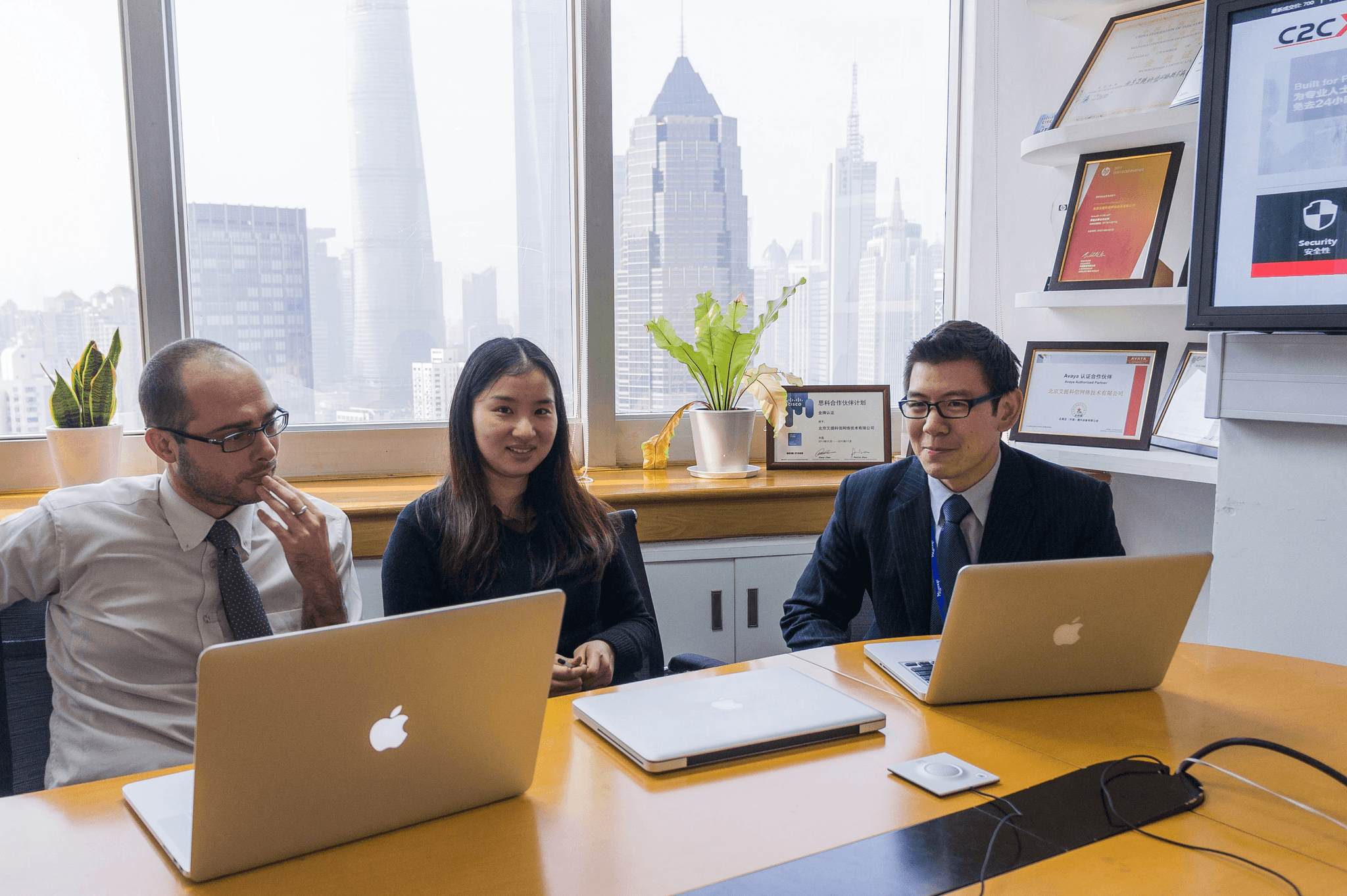
In the realm of procurement goods and services, effective cost management is crucial for maximizing value while minimizing expenses. Organizations must adopt strategic approaches that not only ensure they stay within budget but also enhance their overall procurement efficiency. By implementing robust cost management techniques, businesses can navigate the complexities of procurement with confidence.
Effective Budgeting for Procurement Goods and Services
Budgeting is the backbone of any successful procurement strategy, especially when it comes to procurement goods and services. A well-structured budget allows organizations to allocate resources efficiently, ensuring that every dollar spent contributes to business objectives. SSOURCING INC. emphasizes the importance of regular budget reviews and adjustments, which help adapt to changing market conditions and organizational needs.
To create an effective budget, companies should analyze historical spending patterns and forecast future requirements accurately. This proactive approach enables businesses to identify potential savings opportunities while avoiding unnecessary expenditures in their procurement goods and services. Moreover, involving cross-functional teams in the budgeting process fosters a holistic view of needs and priorities across departments.
Strategies for Negotiating Better Prices
Negotiation is an art form in the world of procurement goods and services, where every dollar saved can significantly impact the bottom line. SSOURCING INC. advocates for a collaborative approach during negotiations, encouraging open communication with suppliers to build trust and foster long-term relationships. By understanding a supplier's constraints and motivations, organizations can find mutually beneficial agreements that enhance value without compromising quality.
Preparation is key when negotiating better prices; this includes researching market trends, competitor pricing, and alternative suppliers before entering discussions. Equipping your negotiation team with data-driven insights empowers them to make informed decisions that lead to favorable outcomes in procurement goods and services contracts. Additionally, leveraging bulk purchasing or long-term commitments can often yield substantial discounts from suppliers eager for steady business.
Analyzing Total Cost of Ownership
When it comes to procuring goods and services, understanding total cost of ownership (TCO) is essential for making informed purchasing decisions at SSOURCING INC. TCO encompasses not just the initial purchase price but also ongoing costs such as maintenance, training, support, and disposal over the product's lifecycle. By analyzing TCO thoroughly, organizations can identify hidden costs that may make seemingly inexpensive options more expensive in the long run.
Implementing TCO analysis requires collaboration among various departments—finance must work closely with procurement teams to gather comprehensive data on all associated costs related to products or services being considered for purchase. This collaborative effort ensures that decision-makers have a complete picture before committing resources towards any procurement goods or services initiative. Ultimately, prioritizing TCO helps organizations invest wisely while maximizing value across their entire portfolio.
Risk Management in Procurement

In the dynamic world of procurement goods and services, managing risks is crucial for ensuring smooth operations and maintaining supplier relationships. Procurement risks can stem from various sources, including market fluctuations, supplier reliability, and regulatory changes. By proactively identifying these risks, businesses can mitigate potential disruptions and safeguard their procurement processes.
Identifying Procurement Risks
Identifying procurement risks begins with a thorough analysis of the supply chain and its vulnerabilities. Common risks include supplier insolvency, geopolitical issues affecting supply lines, and fluctuations in commodity prices that can impact costs. SSOURCING INC. emphasizes the importance of conducting regular risk assessments to pinpoint these threats early on and develop strategies to address them effectively.
Furthermore, businesses should also consider internal factors such as compliance with regulations and organizational changes that might affect procurement goods and services. Keeping an eye on market trends is essential; for instance, a sudden increase in demand for raw materials could strain suppliers' capabilities. By staying vigilant about both external and internal factors, organizations can better prepare themselves for unforeseen challenges.
Developing Contingency Plans
Once risks have been identified, developing contingency plans is the next logical step in effective risk management for procurement goods and services. A well-crafted contingency plan outlines specific actions to take when a risk materializes, ensuring that operations can continue with minimal disruption. SSOURCING INC. advocates for creating flexible plans that allow companies to adapt quickly to changing circumstances while maintaining supplier relationships.
These plans should include alternative sourcing strategies—such as identifying backup suppliers or diversifying the supply base—to reduce dependency on any single vendor. Additionally, it's vital to regularly review and update these plans based on new information or changes within the industry landscape. This proactive approach not only enhances resilience but also fosters confidence among stakeholders that potential disruptions are managed effectively.
Leveraging Insurance in Procurement
Leveraging insurance is another critical component of risk management in procurement goods and services that cannot be overlooked. Insurance policies tailored specifically for procurement activities can provide financial protection against unforeseen events such as natural disasters or supplier defaults that may disrupt service delivery or increase costs significantly. SSOURCING INC. suggests evaluating various insurance options available in the market to find coverage that aligns with your organization's specific needs.
Moreover, it’s important to understand what each policy covers—whether it's business interruption insurance or liability coverage—and how it integrates into your overall risk management strategy. Educating stakeholders about these policies ensures everyone understands their role in mitigating risks associated with procurement activities while maximizing value from insurance investments.
In conclusion, effective risk management involves a comprehensive approach incorporating identification of potential threats, developing robust contingency plans, and leveraging appropriate insurance solutions tailored to your organization’s needs in procuring goods and services.
Sustainable Procurement Practices

In today's world, the shift towards sustainable procurement practices is not just a trend; it's a necessity for businesses aiming to thrive. As environmental concerns rise, companies are increasingly recognizing that their procurement goods and services can significantly impact both the planet and their bottom line. SSOURCING INC. is at the forefront of this movement, helping organizations integrate sustainability into their procurement strategies.
The Rise of Green Procurement
Green procurement has emerged as a pivotal strategy for organizations looking to reduce their environmental footprint while acquiring goods and services. This approach emphasizes selecting products that are environmentally friendly, made from sustainable materials, or produced through eco-conscious methods. By adopting green procurement practices, companies can not only fulfill regulatory requirements but also enhance their brand reputation among consumers who prioritize sustainability.
Moreover, green procurement often leads to cost savings in the long run by reducing waste and energy consumption associated with traditional products. Companies like SSOURCING INC. are leading the charge in promoting these practices by providing resources and guidance on how to implement effective green strategies within existing procurement frameworks. Ultimately, embracing green procurement means making smarter choices that benefit both business operations and the environment.
Incorporating Ethical Suppliers
The importance of incorporating ethical suppliers into your supply chain cannot be overstated when discussing sustainable procurement practices. Ethical suppliers adhere to fair labor practices, respect human rights, and contribute positively to their communities—factors that align with corporate social responsibility goals for many businesses today. By choosing suppliers who prioritize ethical standards in their operations, companies not only enhance their own reputations but also foster a more equitable global marketplace.
SSOURCING INC.'s commitment to ethical sourcing involves thorough vetting processes that ensure suppliers meet high standards of integrity and sustainability before being considered for partnership. This careful selection process helps mitigate risks associated with unethical practices while ensuring that every dollar spent on procurement goods and services supports responsible businesses worldwide. In essence, partnering with ethical suppliers is a win-win scenario: it strengthens your supply chain while promoting positive social impact.
Measuring Sustainability Impact
Measuring the sustainability impact of your procurement goods and services is essential for understanding how well your initiatives are performing—and where there’s room for improvement. Effective metrics go beyond simple compliance checks; they involve assessing factors such as carbon emissions reduction, waste minimization, and resource conservation achieved through sustainable purchasing decisions. By establishing clear benchmarks and regularly evaluating performance against these metrics, businesses can make informed adjustments to optimize their sustainable procurement strategies.
SSOURCING INC.'s innovative approach includes utilizing technology-driven solutions that provide real-time data analytics on sustainability impacts across all levels of the supply chain—allowing companies to track progress efficiently over time. Additionally, sharing success stories related to sustainability initiatives fosters transparency with stakeholders while inspiring others within the industry to follow suit in adopting similar practices for procuring goods and services responsibly. In conclusion, measuring sustainability impact isn’t just about accountability; it’s about paving the way toward a more sustainable future.
Conclusion

In the ever-evolving landscape of procurement goods and services, organizations must stay ahead of the curve to remain competitive. The future promises a blend of technology, sustainability, and strategic partnerships that will redefine how businesses approach procurement. Embracing these trends will not only enhance efficiency but also contribute to long-term success.
Future Trends in Procurement Goods and Services
The future of procurement goods and services is leaning heavily towards automation and artificial intelligence. These technologies promise to streamline processes, reduce costs, and enhance decision-making capabilities. As businesses adapt to these advancements, they will find new opportunities for collaboration with suppliers that align with their goals.
Moreover, sustainability is becoming a cornerstone of procurement strategies, as companies recognize the importance of ethical sourcing. Consumers are increasingly demanding transparency in supply chains, pushing organizations to prioritize green practices in their procurement goods and services. By embracing sustainable methods, companies can not only improve their brand image but also attract environmentally-conscious customers.
Embracing Innovation in Procurement
Innovation is no longer optional; it's essential for thriving in today’s competitive market. Companies must leverage cutting-edge technologies such as blockchain for enhanced transparency or machine learning for predictive analytics to stay ahead in procurement goods and services. By fostering a culture of innovation within their teams, organizations can unlock new efficiencies and drive better outcomes.
Furthermore, collaboration tools are revolutionizing communication between teams involved in procurement activities. This shift allows for real-time updates on supplier performance and inventory management while enhancing overall responsiveness to market changes. SSOURCING INC.'s commitment to integrating innovative solutions ensures that clients benefit from the latest advancements in the field.
How SSOURCING INC. Leads the Way
At SSOURCING INC., we understand that effective procurement goods and services go beyond mere transactions; it's about building lasting relationships that drive mutual success. Our approach combines technology with a keen understanding of market dynamics to deliver tailored solutions that meet our clients' unique needs. By focusing on strategic sourcing and supplier management, we empower businesses to navigate challenges while capitalizing on opportunities.
As we look toward the future, SSOURCING INC.'s dedication to continuous improvement positions us at the forefront of industry trends. We are committed to helping our clients embrace innovation while ensuring sustainable practices are woven into every aspect of their procurement strategies. With our expertise guiding your journey, you can confidently tackle tomorrow's challenges head-on.