

Introduction
In today's interconnected world, the risks of global sourcing have become a focal point for businesses looking to optimize their supply chains. Companies are increasingly aware that while global sourcing can lead to cost savings and access to diverse markets, it also introduces a myriad of potential pitfalls that can disrupt operations and impact profitability. Understanding these risks is crucial for organizations aiming to navigate the complexities of international trade successfully.
Understanding Global Sourcing Risks
The risks of global sourcing encompass a range of factors including financial instability, quality control challenges, and ethical compliance issues. As businesses source materials and products from different corners of the globe, they must grapple with currency fluctuations that can significantly affect pricing structures. Additionally, cultural differences and varying regulatory environments can complicate relationships with suppliers, making it essential for companies like SSOURCING INC. to develop robust risk assessment frameworks.
The Need for a Risk Assessment
Conducting a thorough risk assessment is not just advisable; it's essential for any company engaged in global sourcing activities. This process allows organizations to identify potential vulnerabilities in their supply chain before they escalate into costly problems. By understanding the specific risks associated with global sourcing, businesses can implement proactive measures that safeguard their operations and ensure sustainable growth.
The Global Supply Chain Landscape
The landscape of global supply chains is continuously evolving due to technological advancements and shifting geopolitical dynamics. Companies are now faced with both opportunities and challenges as they engage in international sourcing strategies aimed at enhancing competitiveness. In this complex environment, recognizing the multifaceted risks of global sourcing becomes imperative for maintaining operational efficiency and achieving long-term success.
The Financial Risks of Global Sourcing

When companies venture into global sourcing, they often encounter a labyrinth of financial risks that can jeopardize their bottom line. Understanding these risks is crucial for businesses looking to optimize their supply chains without falling prey to unexpected costs. In this section, we will delve into three primary financial challenges: currency fluctuations, cost overruns in supplier contracts, and the hidden costs associated with delayed shipments.
Currency Fluctuations and Their Impact
Currency fluctuations are among the most unpredictable risks of global sourcing that businesses face today. When a company sources materials or products from abroad, even minor shifts in exchange rates can lead to significant financial repercussions. For instance, if your supplier is based in Europe and the euro strengthens against your home currency, suddenly those previously budgeted costs may skyrocket—eating away at your profit margins faster than you can say hedging strategy.
To mitigate these risks of global sourcing, companies must consider employing various financial instruments like forward contracts or options to lock in exchange rates ahead of time. SSOURCING INC. understands that proactive currency management is essential for maintaining competitive pricing while ensuring that profit margins remain intact amidst volatile market conditions.
Cost Overruns in Supplier Contracts
Another critical aspect of the financial risks of global sourcing revolves around cost overruns in supplier contracts. Often, businesses enter agreements with suppliers based on estimated costs but later find themselves facing unanticipated expenses due to changes in material prices or labor costs abroad. These overruns can derail budgets and lead to strained relationships between companies and their suppliers.
Moreover, poorly defined contracts can leave room for interpretation and additional charges that weren't initially anticipated—turning what seemed like a win-win situation into a costly affair for all parties involved. To combat this issue effectively, SSOURCING INC. emphasizes the importance of thorough contract negotiation and clarity regarding terms to minimize potential disputes over cost overruns.
The Hidden Costs of Delayed Shipments
Delays are an inevitable part of global sourcing; however, the hidden costs associated with them often go unnoticed until it's too late. Whether due to customs issues or logistical hiccups, delayed shipments can lead not only to lost sales but also increased operational expenses as companies scramble for alternative solutions like expedited shipping methods or last-minute inventory adjustments.
These hidden costs significantly contribute to the overall risks of global sourcing by eroding profit margins that could have been allocated elsewhere within the business framework—such as marketing efforts or product development initiatives. By leveraging effective supply chain management strategies and partnering with reliable logistics providers like SSOURCING INC., organizations can better anticipate delays and plan accordingly.
Quality Control Challenges in Global Sourcing

In the realm of global sourcing, maintaining consistent product quality is a formidable challenge that companies must confront. The risks of global sourcing often stem from variations in manufacturing standards, cultural differences, and regulatory environments across countries. For businesses like SSOURCING INC., ensuring that products meet stringent quality benchmarks while navigating these complexities can be a daunting task.
Ensuring Product Standards Across Borders
One of the primary risks of global sourcing is the inconsistency in product standards imposed by different countries. While some nations may have rigorous quality control regulations, others might have lax oversight, leading to discrepancies in product integrity. To mitigate these risks, companies must establish clear guidelines and expectations for suppliers across all regions to ensure uniformity in quality.
Furthermore, understanding local regulations and compliance requirements is crucial for maintaining product standards when sourcing globally. Companies like SSOURCING INC. often invest time and resources into researching these requirements to avoid any pitfalls that could arise from non-compliance. By doing so, they can better safeguard their brand reputation and minimize potential financial losses associated with poor-quality products.
The Role of Quality Assurance Teams
Quality assurance teams play a pivotal role in addressing the risks of global sourcing by implementing systematic checks throughout the supply chain process. These teams are responsible for developing inspection protocols and conducting thorough assessments to ensure that products meet established specifications before reaching consumers. Their efforts help to identify potential issues early on, allowing companies like SSOURCING INC. to address them proactively rather than reactively.
Moreover, effective communication between quality assurance teams and suppliers is essential for fostering a culture of accountability regarding product standards. Regular audits and feedback loops can help reinforce this relationship while providing valuable insights into areas needing improvement. In this way, organizations can significantly reduce the likelihood of defects or recalls linked to their global sourcing strategies.
Case Study: Volkswagen Emissions Scandal
The Volkswagen emissions scandal serves as a cautionary tale about the severe consequences arising from lapses in quality control within global sourcing frameworks. In this instance, VW’s failure to adhere to environmental regulations not only tarnished its reputation but also led to substantial legal repercussions and financial losses amounting to billions of dollars. This case underscores the critical importance of robust quality assurance practices when managing the risks of global sourcing.
As companies expand their operations internationally, they must remain vigilant against similar pitfalls by prioritizing ethical sourcing practices alongside stringent quality controls. For firms like SSOURCING INC., learning from such high-profile failures reinforces the necessity for comprehensive risk assessments tailored specifically for their unique supply chain dynamics. Ultimately, embracing proactive measures ensures that businesses can navigate complex international landscapes without compromising on product integrity or corporate responsibility.
Political and Economic Instability
In today’s interconnected world, political and economic instability can wreak havoc on global sourcing strategies. The risks of global sourcing are amplified when geopolitical tensions arise, leading to unpredictable changes in trade policies and market conditions. Companies must remain vigilant and adaptable to navigate these turbulent waters effectively.
The Effect of Trade Wars on Sourcing
Trade wars can significantly impact the risks of global sourcing by introducing tariffs that affect profit margins. For instance, when countries impose tariffs on imported goods, it can lead to increased costs for businesses reliant on foreign suppliers. This not only disrupts pricing structures but also forces companies like SSOURCING INC. to rethink their sourcing strategies to maintain competitiveness in a volatile market.
Moreover, companies may find themselves scrambling for alternative suppliers or materials as trade barriers shift overnight. This added complexity can strain relationships with existing partners while creating uncertainty about future costs and availability of products. In the long run, understanding these dynamics is crucial for mitigating the risks associated with global sourcing.
Navigating Tariffs and Regulations
Navigating the maze of tariffs and regulations is a daunting task for any business involved in global sourcing. Regulatory changes can emerge rapidly, making it essential for companies to stay informed about compliance requirements across different jurisdictions. Failure to adapt quickly can lead to significant financial penalties or disruptions in supply chains that could have been avoided.
For businesses like SSOURCING INC., developing strong relationships with local experts who understand regional regulations is vital for minimizing the risks of global sourcing. These partnerships enable organizations to anticipate regulatory changes rather than react after they occur, ensuring smoother operations across borders. Ultimately, a proactive approach helps safeguard against unforeseen costs arising from non-compliance.
Insights from the U.S.-China Trade Tensions
The U.S.-China trade tensions serve as a prime example of how political factors influence the risks of global sourcing at an unprecedented scale. As tariffs escalated between these two economic powerhouses, many companies faced stark choices: absorb rising costs or pass them onto consumers—both options carrying their own set of risks and repercussions. For SSOURCING INC., analyzing these shifts provides valuable insights into future trends that could affect their supply chain decisions.
These tensions have also prompted businesses to diversify their supplier base beyond China as a risk management strategy—a move that may mitigate some exposure but introduces its own challenges in terms of quality control and logistics management across multiple regions. Additionally, understanding local market conditions becomes increasingly important when seeking new partnerships outside traditional networks influenced by political climates.
In conclusion, navigating political and economic instability requires astute awareness of current events impacting global sourcing strategies while remaining flexible enough to pivot as necessary—an ongoing challenge that defines modern supply chain management.
Ethical Sourcing and Compliance Risks
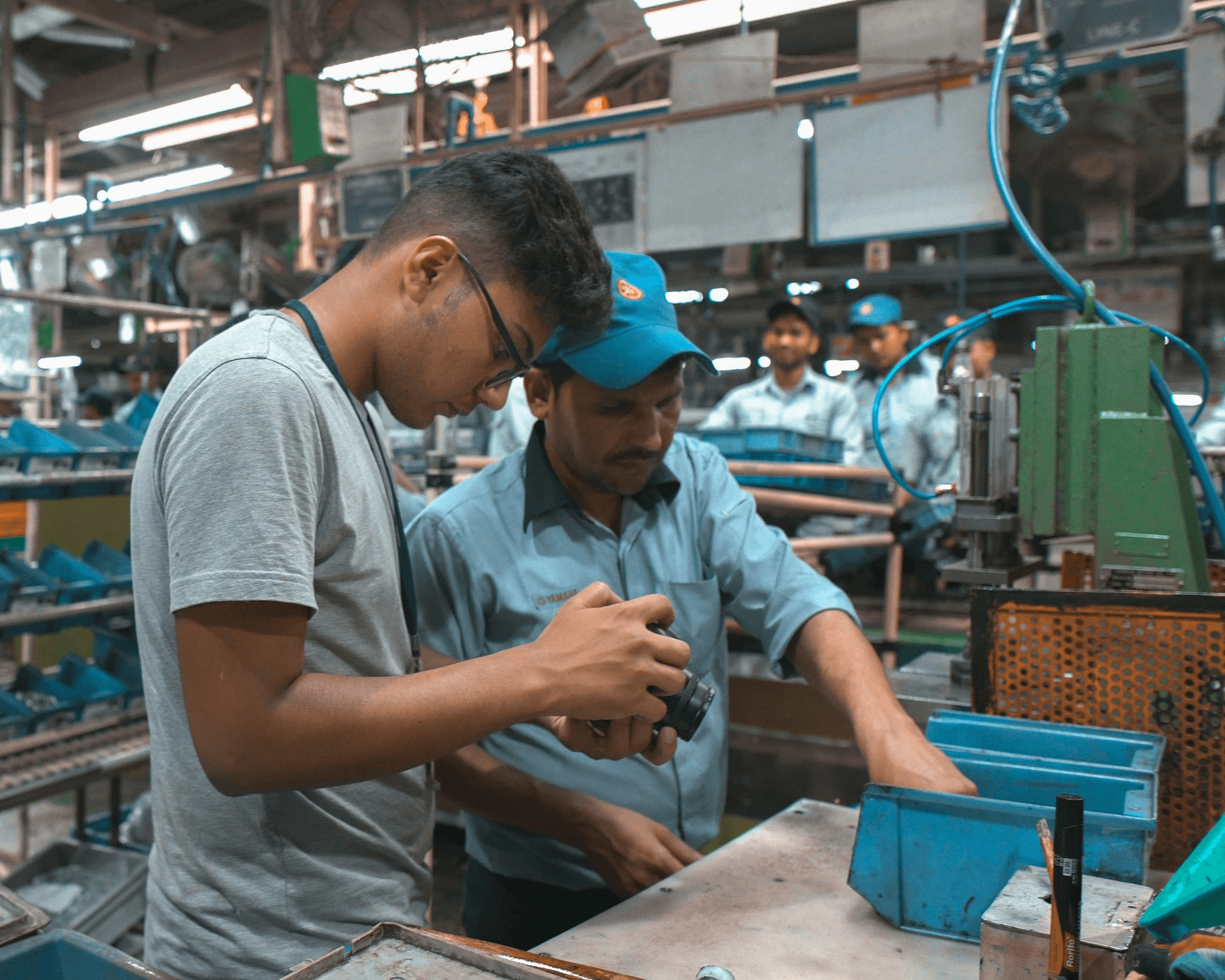
In today's interconnected marketplace, the ethical implications of global sourcing have come under increasing scrutiny. Companies must navigate a complex web of labor practices, environmental regulations, and compliance risks to maintain their reputation and operational integrity. The risks of global sourcing extend beyond financial concerns; they encompass moral obligations that can significantly impact brand loyalty and consumer trust.
The Importance of Fair Labor Practices
Fair labor practices are crucial in mitigating the risks of global sourcing, as they ensure that workers are treated with dignity and respect. Companies engaging in international procurement must establish clear guidelines for labor standards, including fair wages, safe working conditions, and the prohibition of child labor. Failing to uphold these principles not only risks legal repercussions but can also lead to severe backlash from consumers who prioritize ethical considerations in their purchasing decisions.
Moreover, businesses like SSOURCING INC. recognize that fostering fair labor practices is not just a compliance issue; it’s a strategic advantage in enhancing brand reputation. By implementing robust supplier audits and monitoring systems, companies can proactively address potential violations before they escalate into crises. Ultimately, promoting fair labor practices helps mitigate the reputational risks associated with global sourcing while contributing positively to communities worldwide.
Environmental Regulations and Sourcing
Environmental regulations present another layer of complexity regarding the risks of global sourcing that companies must navigate diligently. As consumers become more environmentally conscious, businesses face pressure to adopt sustainable sourcing practices that minimize ecological impact. Compliance with local and international environmental laws is vital for avoiding hefty fines and ensuring long-term viability in various markets.
SSOURCING INC. emphasizes the importance of integrating sustainability into supply chain strategies by collaborating with suppliers who prioritize eco-friendly practices. This proactive approach not only mitigates regulatory risks but also enhances corporate social responsibility initiatives—an increasingly important factor for consumers today. By prioritizing environmental compliance, companies can turn potential pitfalls into opportunities for innovation and differentiation in a crowded marketplace.
Spotlight on Nike's Labor Controversies
Nike serves as a compelling case study when examining the ethical challenges tied to global sourcing practices—particularly around labor controversies that have surfaced over the years. Despite being one of the most recognized brands globally, Nike has faced significant backlash due to reports about poor working conditions in its overseas factories—a stark reminder of the inherent risks of global sourcing without stringent oversight.
These controversies highlight how failing to enforce fair labor standards can lead to widespread criticism and damage brand equity over time. SSOURCING INC., learning from such examples, advocates for rigorous monitoring mechanisms within supply chains to prevent similar issues from arising for its clients or partners. By addressing ethical concerns head-on through transparency and accountability measures, companies can better manage the reputational risks associated with global sourcing while fostering trust among consumers.
Technology and Cybersecurity Risks

In the digital age, the risks of global sourcing have expanded beyond traditional supply chain concerns to include technology and cybersecurity threats. As companies increasingly rely on digital platforms for communication and transactions, safeguarding sensitive information has never been more critical. SSOURCING INC. recognizes that a robust approach to technology risk management is essential in navigating these complexities.
Protecting Intellectual Property in Global Sourcing
One of the most significant risks of global sourcing lies in protecting intellectual property (IP). When partnering with international suppliers, businesses face the challenge of ensuring that their proprietary designs, processes, and technologies remain confidential and secure. SSOURCING INC. emphasizes implementing stringent IP protection measures, including non-disclosure agreements (NDAs) and regular audits to mitigate these risks effectively.
Moreover, understanding local laws regarding IP protection is crucial when sourcing globally. Different countries have varying levels of enforcement for IP rights, which can expose companies to potential theft or misuse of their innovations. By fostering strong relationships with trusted suppliers who respect intellectual property rights, businesses can significantly reduce the risks associated with global sourcing.
Cyber Threats: A Growing Concern
As businesses expand their global footprint through sourcing strategies, they become increasingly vulnerable to cyber threats that can disrupt operations and compromise sensitive data. The risks of global sourcing are exacerbated by sophisticated cybercriminals who target supply chains as entry points into larger organizations' networks. SSOURCING INC. highlights the importance of staying vigilant against these evolving threats by adopting comprehensive cybersecurity measures.
Cyberattacks can lead to financial losses, reputational damage, and legal liabilities if sensitive customer or corporate data is compromised during the sourcing process. Companies must prioritize investment in advanced security technologies such as encryption tools and intrusion detection systems to safeguard their information assets effectively. Additionally, employee training on recognizing phishing attempts and other cyber threats is vital in minimizing human error—a common vulnerability in cybersecurity.
Best Practices for Information Security
To navigate the myriad risks of global sourcing successfully, organizations should adopt best practices for information security that align with their overall risk management strategy. SSOURCING INC. recommends conducting regular risk assessments to identify vulnerabilities within your supply chain network continually; this proactive approach helps mitigate potential breaches before they occur.
Establishing clear protocols for data sharing with suppliers is another essential practice—companies should only share necessary information while ensuring adequate security measures are in place on both ends. Regularly updating software systems and employing multi-factor authentication further enhance security layers against unauthorized access or data breaches.
Ultimately, a comprehensive approach combining technological safeguards with employee training will empower organizations to manage cybersecurity risks effectively while maximizing the benefits of global sourcing partnerships.
Conclusion

In the ever-evolving landscape of global sourcing, understanding and mitigating risks is more crucial than ever. As businesses expand their horizons, they must navigate a myriad of challenges that can impact their supply chains significantly. By adopting strategic measures, companies can not only safeguard their operations but also enhance their competitive edge in the market.
Strategies to Mitigate Sourcing Risks
To effectively address the risks of global sourcing, businesses should implement comprehensive risk assessment frameworks that identify potential pitfalls before they escalate. Diversifying supplier bases is another key strategy; relying on multiple sources can cushion against disruptions caused by political instability or natural disasters. Additionally, investing in technology for real-time monitoring and communication ensures that companies remain agile and responsive to any emerging issues in their supply chains.
The Future of Global Sourcing
The future of global sourcing will likely be shaped by advancements in technology and an increasing focus on sustainability and ethical practices. Companies will need to adapt to changing consumer preferences that demand transparency and accountability from suppliers while also navigating complex geopolitical landscapes. As the risks of global sourcing evolve, organizations must remain vigilant and proactive, leveraging data analytics and innovative solutions to stay ahead of potential challenges.
How SSOURCING INC. Can Help You
At SSOURCING INC., we understand the intricate web of risks associated with global sourcing and offer tailored solutions designed to mitigate these challenges effectively. Our expertise lies in providing comprehensive risk assessments, ensuring your supply chain remains resilient against fluctuations in currency or quality control issues across borders. Partner with us to harness advanced technologies that protect your intellectual property while navigating the complexities of today's global marketplace.