

Introduction
In today's fast-paced business landscape, effective category management is more crucial than ever. Companies that harness the power of strategic categories can transform their operations, streamline processes, and boost overall performance. SSOURCING INC. stands at the forefront of this transformation, guiding businesses to unlock the full potential of their category management strategies.
The Importance of Category Management
Category management is not just a buzzword; it’s a vital approach that enables organizations to optimize their purchasing decisions and enhance supplier relationships. By categorizing products and services effectively, businesses can make informed choices that lead to significant cost savings and improved efficiency. Embracing category management allows companies to focus on what truly matters: delivering value to customers while maximizing profitability.
Transforming Business Through Strategic Categories
Strategic categories are the backbone of successful business operations, providing a framework for aligning resources with market demands. By identifying key categories and developing tailored strategies around them, organizations can respond swiftly to changing customer preferences and market trends. SSOURCING INC. empowers businesses to navigate this complex landscape by implementing innovative category management practices that drive growth and sustainability.
How SSOURCING INC. Leads the Way
At SSOURCING INC., we understand that effective category management requires more than just theory; it demands actionable insights and robust execution plans. Our team leverages data analytics, industry expertise, and collaborative approaches to help clients develop customized strategies that resonate with their specific needs. With our guidance, businesses can not only adapt but thrive in an ever-evolving marketplace through superior category management techniques.
Understanding Category Management

Category management is a crucial practice that organizations use to optimize their purchasing decisions and enhance overall business performance. It involves managing product categories as strategic business units, focusing on the needs of customers while maximizing profitability. By effectively implementing category management, businesses can create a competitive edge in today’s fast-paced market.
Defining Category Management
At its core, category management is about organizing products or services into distinct groups to streamline purchasing and sales processes. This approach allows companies to tailor their strategies based on consumer preferences and market trends, ensuring that they are meeting customer needs efficiently. By prioritizing category management, organizations can better align their resources and strategies with consumer expectations.
History and Evolution of the Practice
The roots of category management can be traced back to the retail sector in the 1980s when companies began recognizing the importance of treating product categories as individual business units. Over time, this practice evolved from simple inventory management to a more sophisticated approach involving data analytics and strategic planning. Today, thanks to advancements in technology and methodologies, category management has become indispensable across various industries beyond just retail.
Benefits of Effective Category Management
Implementing effective category management brings numerous benefits that can significantly impact an organization’s bottom line. First and foremost, it leads to improved customer satisfaction by ensuring that products meet consumer demands more accurately. Additionally, organizations like SSOURCING INC., which prioritize category management strategies, often experience enhanced supplier relationships and increased operational efficiency—factors that ultimately contribute to greater profitability.
The Role of Data Analytics

In the realm of category management, data analytics is not just a tool; it's the compass guiding businesses toward informed decisions. With the right insights, organizations can pinpoint opportunities, streamline processes, and enhance their overall strategy. SSOURCING INC. recognizes that leveraging data is essential for transforming raw numbers into actionable strategies that drive success.
Leveraging Insights for Better Decisions
Data analytics empowers category management by providing insights that can significantly influence decision-making processes. By analyzing purchasing patterns and market trends, companies can identify which categories are underperforming or ripe for expansion. SSOURCING INC. utilizes these insights to refine product assortments and optimize pricing strategies, ensuring they meet customer demands while maximizing profitability.
Furthermore, understanding consumer behavior through data allows businesses to tailor their offerings more effectively. This level of insight fosters agility in responding to market shifts and consumer preferences, making it easier to pivot when necessary. Ultimately, leveraging data analytics helps organizations make smarter decisions that align with their broader category management goals.
Tools and Technologies in Data Analysis
The landscape of data analysis tools has evolved dramatically, offering a variety of options tailored for effective category management. From advanced software solutions like Tableau and Power BI to machine learning algorithms that predict future trends, these technologies enable deeper dives into data sets than ever before. SSOURCING INC. stays ahead of the curve by adopting cutting-edge tools that facilitate real-time analysis and reporting.
Moreover, integrating cloud-based platforms allows teams to collaborate seamlessly across departments while accessing critical data from anywhere at any time. This connectivity ensures everyone involved in category management has access to the same insights and can contribute meaningfully to strategic discussions. The right tools not only enhance efficiency but also empower teams to make informed decisions based on comprehensive analyses.
Measuring Performance in Category Management
Effective measurement is crucial for evaluating the success of category management initiatives; without it, how would you know what's working? Key performance indicators (KPIs) such as sales growth per category or inventory turnover rates provide tangible metrics for assessing performance over time. At SSOURCING INC., we emphasize a robust framework for measuring outcomes so we can continually refine our strategies.
Regularly reviewing these KPIs enables organizations to identify areas needing improvement or adjustment quickly—essentially acting as a health check for your category management efforts! Additionally, implementing feedback loops where results are analyzed against initial goals fosters a culture of continuous improvement within teams tackling category challenges together. In this way, measuring performance becomes not just an obligation but an opportunity for growth and innovation.
Developing a Cohesive Strategy
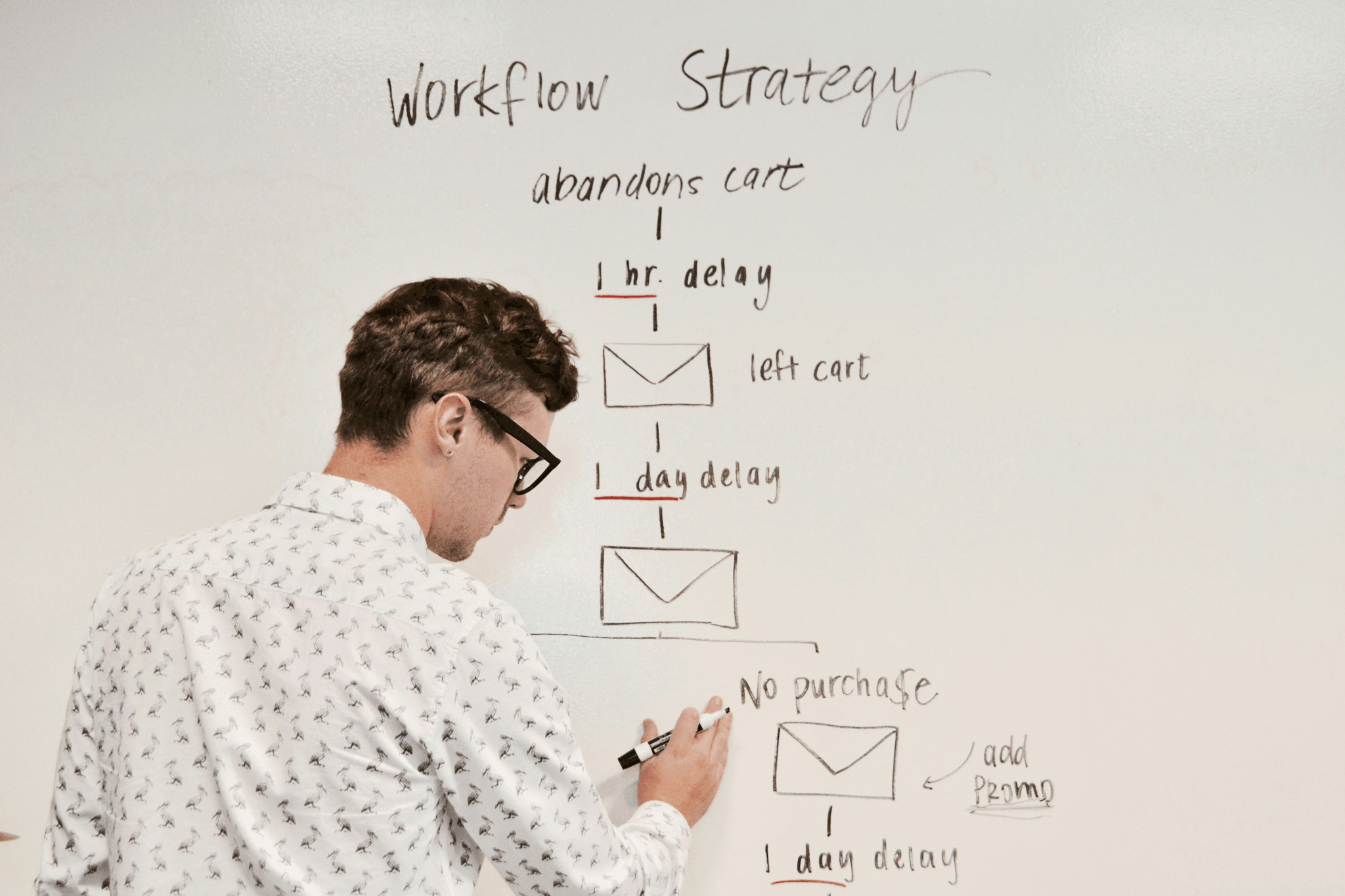
A well-structured approach to category management can make or break a business's success. By developing a cohesive strategy, organizations can ensure that their category management efforts align with overarching business goals, resonate with customer needs, and foster collaboration across teams. At SSOURCING INC., we believe that a holistic strategy is the backbone of effective category management.
Aligning Category Management with Business Goals
To truly harness the power of category management, it’s essential to align it with your business objectives. This alignment ensures that every decision made within the realm of category management directly supports the company's vision and mission. For instance, if your goal is to enhance profitability, your category management strategies should focus on optimizing costs and maximizing supplier value.
SSOURCING INC. emphasizes the importance of setting clear KPIs that reflect both category performance and broader business goals. By doing so, you not only create accountability but also provide a roadmap for success in your category management initiatives. Remember, when everyone is on the same page regarding objectives, achieving them becomes significantly more feasible.
Crafting a Customer-Centric Approach
In today's competitive landscape, understanding customer needs is paramount for effective category management. A customer-centric approach means putting your clients at the heart of all decision-making processes related to product categories and supplier relationships. This involves gathering insights through market research and customer feedback to ensure that offerings resonate with target audiences.
At SSOURCING INC., we advocate for regular engagement with customers to refine strategies continuously based on their evolving preferences. By integrating these insights into your category management framework, you can develop tailored solutions that not only satisfy but delight customers—ultimately driving loyalty and increasing sales growth. In essence, when customers feel valued through personalized offerings, they become advocates for your brand.
Implementing Change Across Teams
Implementing change in any organization can be daunting; however, it's crucial for advancing effective category management practices across teams at SSOURCING INC. Ensuring buy-in from all stakeholders—from procurement to marketing—is vital in fostering an environment where new strategies can take root successfully. Communication plays an essential role here; transparent dialogue about why changes are necessary helps alleviate resistance.
Moreover, training sessions and workshops can equip team members with the skills needed to embrace new tools or methodologies associated with enhanced category management practices. When every department understands their role in supporting these initiatives, it cultivates a culture of collaboration aimed at achieving common goals—an absolute win-win! Ultimately, change should be viewed as an opportunity rather than an obstacle within the realm of category management.
Supplier Collaboration and Relationships

In the realm of category management, supplier collaboration is not just a nice-to-have; it's a necessity for success. Strong partnerships can lead to improved efficiencies, innovation, and ultimately better outcomes for all parties involved. SSOURCING INC. understands that building these relationships requires intentional effort and strategic alignment.
Building Strong Partnerships for Success
To thrive in category management, businesses must prioritize the cultivation of strong supplier partnerships. This means going beyond transactional interactions and fostering genuine relationships built on mutual respect and shared goals. By investing time in understanding suppliers’ capabilities and challenges, organizations can create synergies that enhance performance across the board.
A solid partnership often translates into collaborative problem-solving, where both parties work together to overcome obstacles or innovate new solutions. SSOURCING INC.’s approach emphasizes open communication and transparency, which are vital for nurturing trust between partners. When suppliers feel valued and included in the decision-making process, they are more likely to contribute positively to category management strategies.
Negotiation Techniques for Better Outcomes
Negotiation is an art form that plays a critical role in effective category management. Employing strategic negotiation techniques can help businesses secure favorable terms while maintaining healthy supplier relationships. SSOURCING INC. advocates for a win-win mindset during negotiations; this ensures that both parties leave the table feeling satisfied with the outcome.
One effective technique is to prepare thoroughly before entering negotiations by gathering data on market conditions, pricing trends, and competitor benchmarks. This information empowers businesses to make informed decisions while negotiating terms that align with their category management objectives. Additionally, active listening during negotiations fosters an environment where suppliers feel heard and understood—key elements that lead to successful outcomes.
The Impact of Trust in Supplier Relationships
Trust is the cornerstone of any successful supplier relationship within category management frameworks. When trust exists between companies and their suppliers, it leads to enhanced collaboration and increased willingness to share valuable insights or innovations that can benefit both parties. SSOURCING INC.’s commitment to building trust emphasizes consistent communication, transparency about expectations, and reliability in fulfilling obligations.
Furthermore, trust reduces friction during challenging times—whether due to market volatility or unforeseen disruptions—allowing partners to navigate issues collaboratively rather than defensively. Ultimately, cultivating trust not only strengthens current partnerships but also paves the way for future opportunities within category management strategies as suppliers become more invested in mutual success.
Adapting to Market Changes

In today's fast-paced business landscape, adapting to market changes is not just a strategy; it's a necessity. Companies must embrace flexibility in their category management practices, allowing them to pivot quickly in response to emerging trends and disruptions. SSOURCING INC. champions this adaptability, ensuring that organizations can navigate the ever-evolving marketplace with confidence.
Staying Agile in a Dynamic Environment
Agility is the name of the game when it comes to effective category management. Businesses need to develop processes that allow for rapid adjustments based on real-time data and market feedback. At SSOURCING INC., we emphasize the importance of fostering a culture that encourages quick decision-making and innovation, enabling teams to respond swiftly to changes without losing sight of strategic goals.
Moreover, staying agile means being proactive rather than reactive; it's about anticipating shifts before they happen. By continuously monitoring market conditions and consumer behavior, companies can refine their category management strategies ahead of time. This foresight not only helps businesses stay relevant but also positions them as leaders in their respective industries.
Trends Influencing Category Management
Understanding the current trends influencing category management is crucial for any organization aiming for success. Digital transformation continues to reshape how businesses operate, with technology playing an integral role in optimizing category strategies. From AI-driven analytics tools to e-commerce innovations, staying abreast of these advancements allows companies like SSOURCING INC. to enhance their decision-making processes significantly.
Another trend worth noting is sustainability; as consumers become more environmentally conscious, businesses must align their category management practices accordingly. This shift necessitates a closer examination of supply chains and product offerings, ensuring that they meet both ethical standards and consumer expectations. By embracing sustainability within their category strategies, organizations can foster loyalty while also contributing positively to society.
Lastly, globalization presents both opportunities and challenges for category management professionals. As markets become increasingly interconnected, businesses must navigate diverse cultural preferences and regulatory environments while maintaining consistency across categories. SSOURCING INC.’s expertise helps clients tackle these complexities effectively while maximizing global reach.
Future-Proofing Your Category Strategies
Future-proofing your category strategies involves anticipating change before it arrives and building resilience into your operations from the ground up. At SSOURCING INC., we advocate for continuous learning and adaptation as core principles of successful category management practices—because what works today may not work tomorrow!
Investing in technology is one way companies can safeguard against future disruptions; adopting advanced analytics or automation tools ensures that your organization remains competitive amid evolving market dynamics. Additionally, nurturing relationships with suppliers fosters collaboration that can lead to innovative solutions tailored for changing demands.
Finally, fostering an agile mindset across teams ensures everyone is equipped to handle uncertainty with confidence—after all, adaptability should be woven into the very fabric of your company culture! By prioritizing flexibility alongside strategic foresight within your category management framework, you will be well-positioned not just for survival but thriving amid whatever challenges lie ahead.
Conclusion

As we wrap up our exploration of category management, it’s clear that this strategic approach is not just a buzzword but a vital element for modern businesses. Effective category management allows organizations to streamline operations, enhance supplier relationships, and ultimately drive profitability. By embracing the principles discussed, companies can transform their procurement processes into a competitive advantage.
Key Takeaways on Category Management
First and foremost, effective category management hinges on understanding your market and aligning strategies with business goals. The evolution of this practice highlights its significance in adapting to changing consumer demands and optimizing resource allocation. Remember that fostering strong supplier relationships is equally essential; they are not just vendors but partners in your success.
The Role of SSOURCING INC. in Innovation
SSOURCING INC. stands at the forefront of innovation in category management by leveraging cutting-edge data analytics and strategic insights. Our commitment to transforming traditional practices into dynamic solutions empowers businesses to stay ahead of the curve. With SSOURCING INC., you’re not just managing categories; you’re pioneering new pathways for growth and efficiency.
Next Steps for Your Category Management Journey
To embark on your category management journey, start by assessing your current strategies and identifying areas for improvement. Engage with teams across departments to foster collaboration and ensure everyone is aligned with overarching business objectives. Finally, consider partnering with experts like SSOURCING INC., who can guide you through the nuances of effective category management while keeping innovation at the heart of your strategy.