

Introduction
In today's fast-paced business landscape, understanding the B2B procurement process is essential for organizations aiming to thrive. The B2B procurement process encompasses a series of steps that businesses undertake to acquire goods and services from other businesses, ensuring efficiency and cost-effectiveness. As companies navigate this complex terrain, it becomes increasingly important to streamline procurement practices to enhance operational effectiveness and drive profitability.
Understanding the B2B Procurement Process
The B2B procurement process involves several key stages, starting from identifying needs to selecting suppliers and managing contracts. Each step plays a vital role in ensuring that organizations procure the right products or services at the right price, while also maintaining quality standards. By grasping the intricacies of this process, businesses can better position themselves for success in an ever-competitive market.
Importance of Streamlining Procurement
Streamlining procurement is not just a buzzword; it’s a necessity for modern businesses looking to optimize their operations. An efficient B2B procurement process can lead to significant cost savings, improved supplier relationships, and enhanced decision-making capabilities. By focusing on streamlining these processes, companies like SSOURCING INC. can ensure they remain agile and responsive in meeting their operational needs.
Key Players in B2B Procurement
The B2B procurement landscape is populated by various key players who each contribute uniquely to the overall success of the process. From procurement managers who oversee purchasing decisions to suppliers who provide essential goods and services, each stakeholder plays a crucial role in shaping outcomes. Recognizing these roles helps organizations navigate their relationships more effectively and fosters collaboration across all levels of the supply chain.
The Fundamentals of B2B Procurement
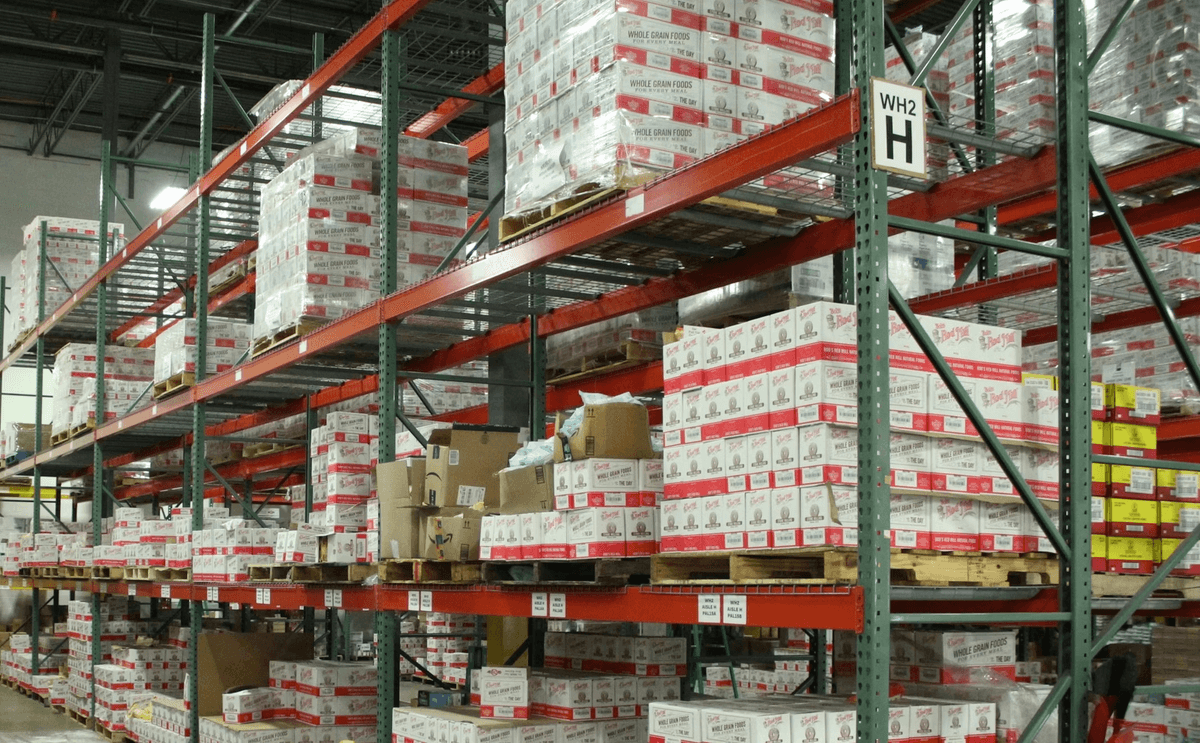
Understanding the fundamentals of the B2B procurement process is essential for any organization looking to optimize its purchasing strategies. This section will break down the key steps involved, identify the stakeholders who play crucial roles, and explore how technology can enhance procurement efforts. By grasping these basics, companies can streamline their operations and improve supplier relationships.
Defining B2B Procurement Process Steps
The B2B procurement process typically begins with identifying needs within an organization, followed by sourcing potential suppliers who can meet those needs effectively. Once suppliers are identified, businesses engage in evaluating them based on various criteria such as price, quality, and reliability. After selecting a supplier, negotiations commence to finalize terms and conditions before placing an order—this cycle repeats as necessary to ensure ongoing supply chain efficiency.
Each step in the B2B procurement process is interconnected; a hiccup in one area can lead to delays or increased costs elsewhere. Hence, it’s crucial for businesses to maintain clarity throughout these stages to avoid miscommunication or errors that could jeopardize supplier relationships. Companies like SSOURCING INC. specialize in refining these processes to create seamless interactions between buyers and suppliers.
Identifying Stakeholders and Their Roles
In the realm of B2B procurement, understanding who the stakeholders are—and what roles they play—is vital for success. Key players typically include procurement managers, finance teams, end-users from various departments, and sometimes even external consultants who provide expertise on specific markets or products. Each stakeholder contributes unique insights that influence decision-making during the procurement process.
For example, while procurement managers focus on cost-effectiveness and supplier reliability, end-users have firsthand experience with product quality and usability—both perspectives are essential for making informed choices during sourcing decisions. Engaging all relevant stakeholders ensures that every aspect of the B2B procurement process is considered thoroughly before finalizing any agreements or contracts. SSOURCING INC.'s approach emphasizes collaboration among stakeholders to foster better communication and alignment throughout each phase.
The Role of Technology in Procurement
Technology plays an increasingly pivotal role in enhancing efficiency within the B2B procurement process by automating repetitive tasks and providing valuable data insights that drive strategic decisions. Tools like e-procurement platforms enable organizations to manage their purchasing activities more effectively while also improving visibility into spending patterns across departments. This digital transformation allows businesses not only to save time but also reduce costs associated with manual processes.
Moreover, advanced analytics tools help organizations assess supplier performance over time by analyzing metrics such as delivery times and quality assurance records—data that is invaluable when evaluating current vendors or seeking new ones in future cycles of the B2B procurement process. Companies like SSOURCING INC., which leverage cutting-edge technology solutions tailored for their clients’ specific needs, can significantly enhance overall operational efficiency while fostering stronger supplier partnerships.
Strategies for Effective Supplier Evaluation

In the world of B2B procurement, selecting the right suppliers is akin to finding a perfect dance partner—everyone needs to be in sync for the performance to shine. The supplier evaluation process is critical because it directly impacts your organization’s efficiency and bottom line. So, let’s dive into some strategies that will help you navigate this vital aspect of the B2B procurement process.
Criteria for Selecting the Right Suppliers
When it comes to evaluating potential suppliers, having clear criteria is essential. Factors such as reliability, financial stability, and industry reputation should top your list; after all, you wouldn’t want a partner who steps on your toes! Additionally, consider their ability to meet your specific needs and timelines—this will save you from unnecessary headaches down the road in your B2B procurement process.
Moreover, don’t forget about alignment with your company values and sustainability practices. In today’s market, consumers are increasingly conscious of ethical sourcing and environmental impact; thus, working with suppliers who share these values can enhance your brand reputation. With SSOURCING INC., we emphasize finding partners who not only meet operational criteria but also fit seamlessly into your corporate ethos.
Utilizing Data in Supplier Assessment
Data is not just king; it’s the entire kingdom when it comes to supplier assessment in B2B procurement processes. By leveraging data analytics tools, you can gain insights into supplier performance metrics that go beyond gut feelings or anecdotal evidence. This approach allows you to make informed decisions based on hard facts rather than relying solely on past experiences or recommendations.
Utilizing data also enables organizations to track key performance indicators (KPIs) over time—think delivery times, quality control issues, and cost fluctuations—which can help identify trends that inform future supplier selections. SSOURCING INC. provides robust data analytics solutions tailored for the B2B procurement process that empower businesses to evaluate suppliers effectively and efficiently.
Furthermore, don't underestimate the power of customer feedback as part of your data arsenal! Gathering reviews from other businesses that have worked with potential suppliers can provide invaluable insights that numbers alone may miss.
Balancing Cost and Quality in Decisions
Ah yes—the eternal tug-of-war between cost and quality! In any B2B procurement process, striking this balance is crucial for long-term success while avoiding buyer's remorse later on. While it may be tempting to choose a supplier solely based on price point—especially when budgets are tight—the old adage you get what you pay for often rings true.
To achieve an optimal balance between cost and quality in decision-making processes, consider implementing a value-based approach rather than just focusing on upfront costs alone. Evaluate total cost of ownership (TCO), which includes factors like maintenance costs and potential downtime due to poor-quality supplies—these hidden expenses can quickly erode savings gained by choosing cheaper options.
SSOURCING INC.’s expertise lies in helping businesses navigate these tricky waters by providing comprehensive evaluations that weigh both cost-effectiveness and product excellence within their B2B procurement processes.
Negotiation Tactics for B2B Success

Negotiation is a critical component of the B2B procurement process, serving as the bridge between supplier offers and buyer needs. Mastering negotiation tactics can lead to favorable terms that benefit both parties, enhancing long-term relationships and ensuring value for money. With SSOURCING INC., you can elevate your negotiation game by adopting effective strategies tailored to your business goals.
Preparing for Successful Procurement Negotiations
Preparation is key when entering the world of procurement negotiations; think of it as your secret weapon in the B2B procurement process. Start by conducting thorough research on potential suppliers, understanding their strengths, weaknesses, and market positions. This groundwork will empower you to craft a compelling case during negotiations while also equipping you to anticipate supplier responses and counteroffers.
Equally important is establishing clear objectives for what you want to achieve from the negotiation—be it cost savings, improved delivery times, or enhanced service levels. Having these goals in mind allows you to steer discussions towards outcomes that align with your organization’s needs. Additionally, involving relevant stakeholders from within your organization ensures that all perspectives are considered and strengthens your negotiating position.
Lastly, practice makes perfect! Role-playing potential scenarios with your team can help refine communication strategies and boost confidence ahead of actual negotiations. With SSOURCING INC.'s expertise in the B2B procurement process, we can guide you through mock negotiations that simulate real-world challenges.
Understanding Supplier Negotiation Styles
Every supplier comes equipped with their own unique negotiation style; recognizing these differences can significantly influence the outcome of your discussions in the B2B procurement process. Some suppliers may adopt a competitive approach focused on maximizing their profit margins, while others might prefer a collaborative style aimed at building long-term partnerships. By identifying these styles early on, you can tailor your negotiation tactics accordingly.
For instance, if you're dealing with a supplier who values collaboration, emphasize mutual benefits and shared success throughout the conversation. On the other hand, if faced with a more competitive negotiator, be prepared to stand firm on key issues while demonstrating how concessions could lead to future opportunities for both parties involved. Understanding these dynamics not only helps streamline negotiations but also fosters respect between organizations.
Moreover, being adaptable during negotiations is crucial; don’t hesitate to switch tactics based on how discussions unfold! The ability to pivot shows flexibility and responsiveness—qualities that many suppliers appreciate in their partners within the B2B procurement process.
Closing Deals That Benefit Both Parties
The final stage of any negotiation involves closing deals that create win-win situations for both parties involved—a hallmark of successful relationships in the B2B procurement process. To achieve this balance requires careful consideration of each party's interests and an openness to compromise where necessary without sacrificing core objectives.
A well-crafted closing strategy should include summarizing key points agreed upon during discussions while reiterating how those terms meet both sides' needs effectively. This approach not only reinforces positive feelings about reaching an agreement but also sets a collaborative tone moving forward into implementation phases post-negotiation.
Additionally, be prepared for last-minute objections or requests from suppliers; addressing these promptly demonstrates professionalism and commitment to partnership success—qualities valued highly in any business relationship! With SSOURCING INC.'s guidance through every step of this intricate dance known as negotiation within the B2B procurement process, you'll close deals confidently knowing they’re advantageous for all involved.
Building Collaborative Relationships

In the world of B2B procurement, building collaborative relationships is crucial for success. Strong partnerships can lead to better pricing, improved quality, and enhanced innovation. By fostering a culture of collaboration, companies can navigate the complexities of the B2B procurement process with greater ease and efficiency.
The Importance of Communication in Procurement
Effective communication is the backbone of any successful B2B procurement process. Clear dialogue between stakeholders ensures that everyone is on the same page regarding expectations, timelines, and deliverables. When suppliers and buyers communicate openly, it reduces misunderstandings and fosters trust—a vital ingredient for long-lasting relationships.
Moreover, regular check-ins and updates can help identify potential issues before they escalate into significant problems. This proactive approach not only streamlines the procurement process but also enhances supplier engagement. SSOURCING INC. emphasizes that investing time in communication pays off by creating a more responsive and agile supply chain.
Long-Term Partnerships vs. One-Time Suppliers
When considering suppliers in the B2B procurement process, businesses often face a choice between long-term partnerships and one-time engagements. While one-time suppliers may offer immediate solutions at competitive prices, they often lack the consistency and reliability found in established partners. Long-term relationships foster an environment where both parties can collaborate on innovations and improvements over time.
Choosing to invest in long-term partnerships means committing to mutual growth rather than just transactional exchanges. This strategy allows companies to leverage shared insights that lead to cost savings and improved product offerings over time. SSOURCING INC.'s approach focuses on nurturing these relationships to enhance overall procurement effectiveness.
Case Studies: Successful B2B Collaborations
To illustrate the power of collaborative relationships in B2B procurement, let’s examine a couple of case studies that highlight successful partnerships. In one instance, a manufacturing company partnered with a local supplier to co-develop a new component that reduced production costs by 20%. The close collaboration allowed both parties to share expertise while aligning their goals within the broader context of their respective businesses.
Another example involves an IT firm that engaged with a software provider over several years to refine its product offerings based on user feedback from end customers—the result was an innovative solution that significantly boosted market competitiveness for both companies involved in this ongoing relationship within their B2B procurement processes.
These examples showcase how strategic collaborations can yield extraordinary results when both parties are committed to working together toward shared objectives—something SSOURCING INC. strives for every day.
Measuring Procurement Performance

In the competitive landscape of B2B procurement, measuring performance is crucial for ensuring that processes remain efficient and effective. By establishing clear metrics, businesses can identify areas for improvement and drive better decision-making throughout the procurement process. SSOURCING INC. understands that a well-measured procurement strategy can lead to significant cost savings and enhanced supplier relationships.
Key Performance Indicators in B2B Procurement
Key Performance Indicators (KPIs) serve as essential tools for evaluating the success of the B2B procurement process. Common KPIs include cost savings, supplier performance ratings, order accuracy, and cycle time efficiency. By tracking these metrics, organizations can gain insights into their procurement effectiveness, making it easier to align strategies with overall business objectives.
Another important KPI is the percentage of spend under management, which reflects how much of your total expenditure is being actively managed through formal processes. This metric helps organizations understand their compliance levels and identify opportunities for consolidating suppliers or renegotiating contracts. With SSOURCING INC.'s expertise in data analytics, companies can harness these KPIs to fine-tune their B2B procurement processes further.
Lastly, measuring customer satisfaction related to procurement—both internal stakeholders and external suppliers—can provide valuable feedback on how well the process meets expectations. High satisfaction levels often correlate with improved collaboration and long-term partnerships in the B2B space.
Tools for Tracking Procurement Efficiency
To effectively track efficiency within the B2B procurement process, organizations must leverage advanced tools designed for data collection and analysis. Procurement software platforms offer comprehensive dashboards that display real-time data on various KPIs, enabling teams to make informed decisions quickly. SSOURCING INC.'s innovative solutions simplify this task by integrating seamlessly with existing systems while providing actionable insights.
Additionally, automation tools play a vital role in streamlining repetitive tasks such as invoice processing or order management. By automating these functions, businesses can focus on strategic activities rather than getting bogged down by administrative work—ultimately enhancing overall efficiency in their procurement operations.
Moreover, utilizing cloud-based solutions allows teams to collaborate regardless of location while ensuring that everyone has access to up-to-date information about suppliers and orders within the B2B procurement process. This flexibility fosters stronger communication between stakeholders and enhances decision-making capabilities across all levels of an organization.
Continuous Improvement in Procurement Strategies
Continuous improvement should be at the heart of any effective B2B procurement strategy; it enables organizations to adapt quickly to changing market conditions while optimizing processes over time. Regularly reviewing performance metrics helps identify trends or areas where adjustments might be necessary—ensuring that businesses stay ahead in a competitive landscape.
Implementing feedback loops from both internal teams and external suppliers can also facilitate ongoing enhancements within your B2B procurement process. By fostering an environment where open communication is encouraged, companies can uncover valuable insights leading to more streamlined operations and stronger supplier relationships over time.
Finally, investing in training programs focused on best practices within procurement ensures that team members are equipped with up-to-date knowledge about industry trends and technologies available today—ultimately supporting continuous improvement efforts across all facets of your organization's purchasing activities.
Conclusion

Navigating the complexities of the B2B procurement process can feel like trying to solve a Rubik's Cube blindfolded. From aligning stakeholder interests to managing supplier relationships, challenges abound at every turn. However, with a strategic approach and the right tools, businesses can not only overcome these obstacles but also thrive in an ever-evolving market landscape.
Navigating Challenges in B2B Procurement
One of the main challenges in the B2B procurement process is ensuring that all stakeholders are on the same page. Miscommunication can lead to delays and costly mistakes, which is why fostering clear communication channels is essential. Additionally, understanding market dynamics and supplier capabilities can help mitigate risks associated with supply chain disruptions.
Another significant hurdle is balancing cost efficiency with quality assurance. In a world where price wars are common, it’s crucial not to compromise on quality for the sake of savings. By adopting a data-driven approach and leveraging technology, businesses can make informed decisions that enhance both cost-effectiveness and product excellence.
Finally, as companies strive for sustainability and ethical sourcing practices, they face increased scrutiny from consumers and regulatory bodies alike. This trend requires organizations to adapt their procurement strategies accordingly while remaining competitive in pricing and service delivery. Embracing these challenges head-on will ultimately lead to more resilient B2B procurement processes.
Future Trends in Procurement Strategies
Looking ahead, several trends are set to reshape the B2B procurement process significantly. One key development is the growing emphasis on digital transformation; technologies such as AI and machine learning will revolutionize how companies source suppliers and manage contracts. Automation will streamline repetitive tasks, allowing procurement professionals to focus on strategic decision-making rather than administrative duties.
Moreover, sustainability will continue to take center stage as businesses recognize its importance not only for brand reputation but also for long-term viability. Companies that prioritize eco-friendly practices within their supply chains will likely gain a competitive edge as consumers increasingly favor responsible brands. This shift necessitates reevaluating supplier relationships through a sustainability lens—a trend that's here to stay.
Lastly, collaboration across departments will become more critical than ever in optimizing the B2B procurement process. Cross-functional teams that include finance, operations, and marketing will enable organizations to align their goals better while navigating complex supplier landscapes together—leading to improved outcomes across all areas of business operations.
How SSOURCING INC. Can Help Transform Your Process
At SSOURCING INC., we understand that mastering the B2B procurement process requires more than just traditional methods; it demands innovative solutions tailored specifically for your business needs. Our team offers cutting-edge tools designed for seamless integration into your existing workflows—making it easier than ever to streamline your procurement activities without sacrificing quality or efficiency.
We specialize in providing data-driven insights that empower you to evaluate suppliers effectively based on criteria beyond just cost—such as reliability and sustainability practices—ensuring you find partners who align with your values while achieving optimal results in your supply chain management efforts. With our expertise by your side, you’ll navigate challenges confidently while positioning yourself at the forefront of future trends shaping this dynamic industry landscape.
In conclusion, transforming your B2B procurement process isn’t just about adopting new technologies; it's about fostering relationships built on trust while embracing change proactively—and SSOURCING INC.is here every step of the way!