

Introduction
In today's fast-paced global market, understanding supply chain disruptions is more crucial than ever. These disruptions can stem from various sources, including natural disasters, geopolitical tensions, or even shifts in consumer demand. Companies like SSOURCING INC. recognize that knowing how to avoid supply chain disruptions is the first step toward building a resilient operation.
Understanding Supply Chain Disruptions
Supply chain disruptions can significantly impact a business's ability to deliver products and services on time. They often arise unexpectedly, leaving companies scrambling to find solutions while facing potential losses in revenue and reputation. By identifying the common causes of these interruptions, businesses can better strategize on how to avoid supply chain disruptions and ensure continuity.
The Importance of Strategic Planning
Strategic planning plays a pivotal role in mitigating the effects of supply chain disruptions. It allows organizations to anticipate potential risks and develop proactive measures that safeguard their operations against unforeseen events. At SSOURCING INC., we emphasize that having a well-thought-out plan not only helps in avoiding supply chain disruptions but also positions companies for long-term success.
Key Players in Supply Chain Management
Effective supply chain management involves collaboration among various key players, including suppliers, manufacturers, distributors, and retailers. Each participant has a unique role that contributes to the overall efficiency and resilience of the supply chain network. Understanding these roles is essential for businesses looking to strengthen their strategies on how to avoid supply chain disruptions while fostering strong partnerships across the board.
Assessing Vulnerabilities in Your Supply Chain
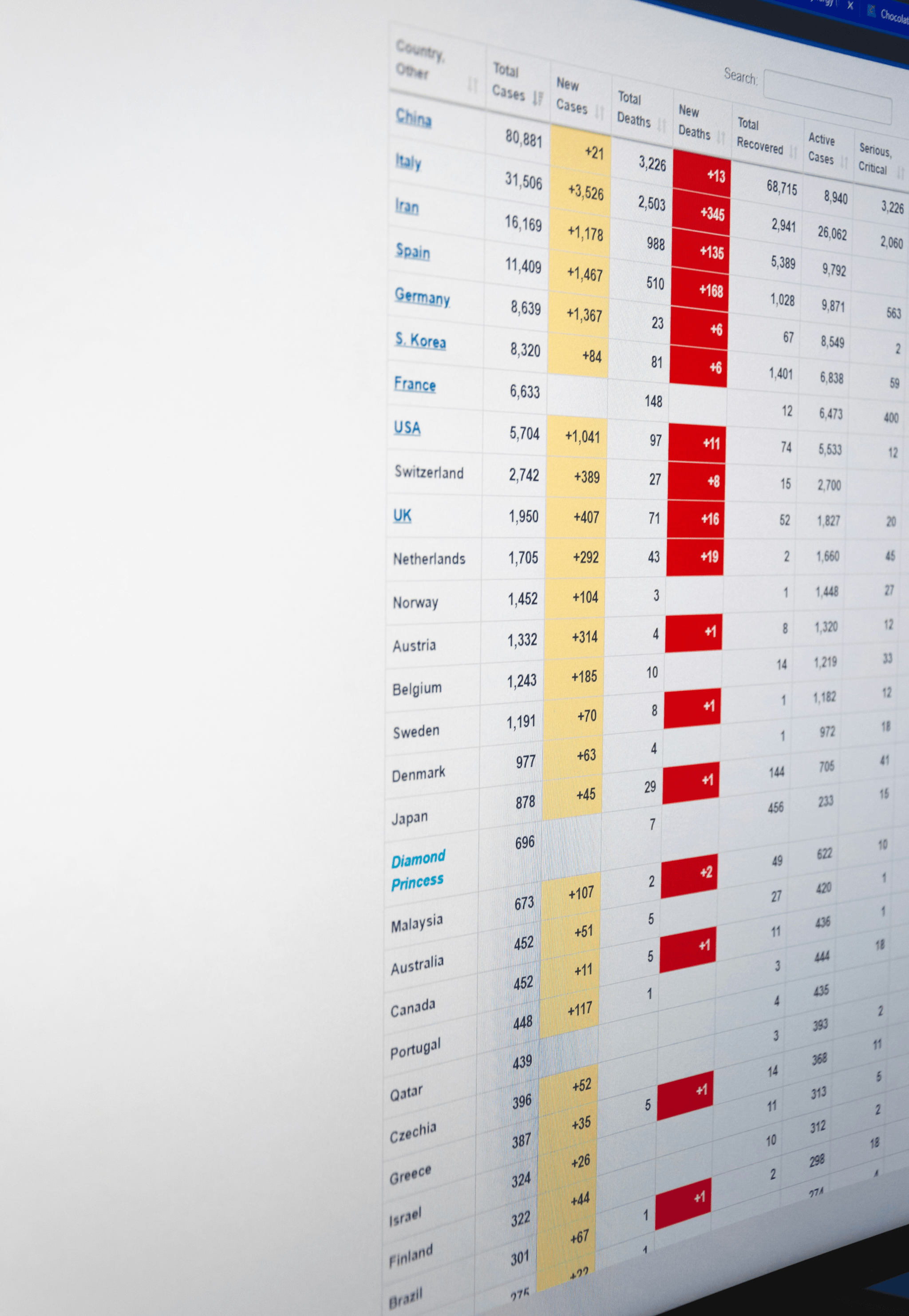
In today's dynamic marketplace, understanding how to avoid supply chain disruptions is crucial for maintaining operational efficiency. By assessing vulnerabilities within your supply chain, you can proactively identify potential risks and develop strategies to mitigate them. This section will delve into identifying critical suppliers, evaluating risk factors, and conducting thorough supply chain audits.
Identifying Critical Suppliers
The first step in assessing your supply chain vulnerabilities is pinpointing your critical suppliers. These are the vendors whose products or services are essential to your operations; losing one could lead to significant disruptions. SSOURCING INC. recommends creating a comprehensive list of these suppliers and regularly reviewing their performance to ensure they meet quality and reliability standards.
To effectively manage these relationships, consider categorizing suppliers based on their importance and the potential impact of their failure on your business operations. This classification will help you focus resources on managing relationships with those that pose the highest risk of disruption. Remember, knowing who your critical suppliers are is half the battle in learning how to avoid supply chain disruptions.
Evaluating Risk Factors
Once you've identified your critical suppliers, it’s time to evaluate the risk factors associated with each one. Factors such as geopolitical issues, economic instability, natural disasters, and even supplier financial health can significantly affect their ability to deliver goods or services reliably. SSOURCING INC. suggests developing a risk assessment matrix that quantifies these risks for better decision-making.
Additionally, consider external factors like market trends and technological advancements that may influence supplier performance over time. By staying informed about these variables, you can adapt quickly when changes arise—another way to learn how to avoid supply chain disruptions effectively. Regularly updating this risk evaluation ensures you're always prepared for whatever curveballs come your way.
Conducting Supply Chain Audits
Conducting regular supply chain audits is essential for uncovering hidden vulnerabilities that may not be apparent at first glance. These audits should assess not only supplier performance but also internal processes that could contribute to inefficiencies or risks in your operations. SSOURCING INC.'s approach includes using checklists and performance metrics tailored specifically for each supplier relationship.
During these audits, engage cross-functional teams from procurement, logistics, and finance to gain a holistic view of potential issues affecting the supply chain's integrity. The insights gained from these comprehensive assessments will empower you with actionable data on how to avoid supply chain disruptions moving forward—because knowledge is power! Regular audits also foster continuous improvement by allowing you to refine processes based on past experiences.
Building Strong Relationships with Suppliers

In the intricate dance of supply chain management, forging strong relationships with suppliers is akin to having a reliable partner who knows your rhythm. By nurturing these connections, businesses can significantly reduce the risk of disruptions and enhance overall efficiency. SSOURCING INC. recognizes that a solid supplier relationship not only fosters trust but also opens avenues for collaboration and innovation.
The Power of Communication
Effective communication is the lifeblood of any successful supplier relationship; it’s how to avoid supply chain disruptions right from the start. Regular check-ins, transparent updates, and open dialogue create an environment where both parties feel valued and informed. When suppliers understand your needs and expectations clearly, they are better equipped to respond swiftly to changes or challenges.
Moreover, proactive communication allows for timely identification of potential issues before they escalate into major problems. For example, if a supplier anticipates delays due to raw material shortages, early notification enables you to explore alternatives or adjust your plans accordingly. At SSOURCING INC., we emphasize that strong communication not only mitigates risks but also strengthens partnerships.
Diverse Supplier Options
Relying on a single supplier can be risky; diversifying your supplier base is one of the most effective strategies on how to avoid supply chain disruptions. By engaging multiple suppliers for critical components or services, businesses can ensure continuity even if one source faces challenges like natural disasters or geopolitical tensions. This approach not only enhances resilience but also fosters healthy competition among suppliers, often resulting in better pricing and service.
Additionally, having diverse options allows companies to tap into various innovations and best practices from different markets or regions. It opens doors for collaboration with niche players who might offer unique solutions tailored to specific needs. At SSOURCING INC., we advocate for exploring diverse supplier options as a fundamental step toward building a robust supply chain.
Investing in Long-Term Partnerships
When it comes to avoiding supply chain disruptions, investing in long-term partnerships with key suppliers pays dividends over time. These relationships go beyond transactional interactions; they involve shared goals and mutual growth strategies that benefit both parties involved. By committing resources and time into nurturing these alliances, companies can cultivate loyalty that translates into reliability during turbulent times.
Long-term partnerships foster deeper understanding between businesses and their suppliers—enabling tailored solutions that address specific challenges more effectively than short-term arrangements could offer. Moreover, such collaborations often lead to joint innovations that drive competitiveness in the marketplace while enhancing operational efficiency at every level of the supply chain journey. SSOURCING INC.'s philosophy revolves around this principle: when you invest in your partners’ success, you’re ultimately investing in your own.
Leveraging Technology for Resilience

In today’s fast-paced business environment, leveraging technology is crucial for building resilience in supply chains. Companies must embrace digital solutions to navigate disruptions effectively and ensure smooth operations. By integrating advanced tools and systems, organizations can learn how to avoid supply chain disruptions while enhancing overall efficiency.
Utilizing Supply Chain Software
Supply chain software acts as the backbone of modern logistics, enabling businesses to optimize their processes and manage resources efficiently. With platforms that offer real-time tracking and inventory management, companies can quickly identify potential bottlenecks before they escalate into major issues. SSOURCING INC. recommends investing in robust software solutions that not only streamline operations but also equip teams with the necessary insights on how to avoid supply chain disruptions.
Moreover, these software systems facilitate better collaboration among stakeholders by providing a centralized platform for communication and data sharing. This transparency fosters trust and accountability among suppliers, which is essential for maintaining strong relationships during challenging times. Ultimately, utilizing supply chain software empowers businesses to respond proactively to changes in demand or unexpected events.
Implementing Data Analytics
Data analytics has become a game-changer in understanding market trends and consumer behavior, allowing companies to make informed decisions based on real-time data. By analyzing historical performance metrics alongside current market conditions, organizations can identify vulnerabilities within their supply chains more effectively. This insight is invaluable when it comes to developing strategies on how to avoid supply chain disruptions.
SSOURCING INC. emphasizes the importance of predictive analytics in forecasting potential risks before they impact operations significantly. With accurate predictions at their fingertips, businesses can adjust inventory levels or reroute shipments accordingly, minimizing delays caused by unforeseen circumstances. The power of data analytics lies not only in its ability to mitigate risks but also in enhancing operational efficiency across the board.
The Role of Automation
Automation plays a pivotal role in streamlining repetitive tasks within the supply chain process, ultimately freeing up valuable time for employees to focus on strategic initiatives. By automating routine functions such as order processing and inventory management, organizations can reduce human error while increasing overall productivity levels significantly. This efficiency translates directly into enhanced resilience against disruptions—one key aspect of learning how to avoid supply chain disruptions.
Furthermore, automated systems provide real-time visibility into various stages of the supply chain cycle, allowing businesses like SSOURCING INC. to respond swiftly when challenges arise or adjustments are needed urgently. As technology continues evolving rapidly, embracing automation will be essential for any organization aiming not just for survival but also long-term success amidst uncertainty.
Developing Contingency Plans

In the unpredictable world of supply chains, developing robust contingency plans is essential for businesses looking to avoid disruptions. These plans act as safety nets, ensuring that when things go awry, your company can respond swiftly and effectively. By laying out clear strategies and protocols in advance, you’ll not only navigate crises better but also enhance overall resilience.
Creating Scenario Plans
Creating scenario plans is like preparing for a rainy day—it's all about envisioning different weather patterns! Businesses must identify potential disruptions, such as natural disasters or supplier failures, and develop tailored responses for each scenario. By mapping out these contingencies, SSOURCING INC. helps clients understand how to avoid supply chain disruptions while ensuring they are ready for anything that comes their way.
Scenario planning involves brainstorming sessions with key stakeholders to ensure diverse perspectives are considered. This collaborative approach fosters creativity in problem-solving and leads to innovative solutions that can be implemented when challenges arise. With well-crafted scenario plans in place, your organization will be better equipped to pivot quickly when faced with unexpected events.
Establishing Emergency Protocols
Establishing emergency protocols is akin to having a fire drill; it prepares everyone for action during critical moments. These protocols should outline specific steps to take in response to various disruption scenarios identified in your planning phase. SSOURCING INC.'s emphasis on clear communication ensures that all employees know their roles during emergencies, which is vital for minimizing chaos.
Emergency protocols must include contact lists for suppliers and internal teams so that communication flows smoothly under pressure. It’s also essential to conduct regular training sessions so employees feel confident executing these protocols when the time comes—after all, practice makes perfect! By establishing robust emergency measures, you significantly reduce the risk of falling into disarray when crises strike.
Regularly Reviewing Plans
Regularly reviewing your contingency plans is crucial because the landscape of supply chain management is constantly evolving; what worked last year might not suffice today! Schedule periodic assessments of your plans to incorporate new risks or changes within your supply chain ecosystem effectively. SSOURCING INC.’s proactive approach ensures clients are always ahead of potential pitfalls by adapting their strategies as needed.
During these reviews, it’s important to gather feedback from team members who have engaged with the contingency processes firsthand; their insights can lead to improvements and refinements in strategy implementation. Additionally, staying updated on industry trends allows companies to anticipate future disruptions more effectively and adjust accordingly—because who wants surprises? Ultimately, regular reviews keep your organization agile and prepared while reinforcing a culture focused on how to avoid supply chain disruptions.
Fostering a Culture of Agility

In today's fast-paced business environment, fostering a culture of agility is essential for any organization looking to navigate the choppy waters of supply chain disruptions. By embedding flexibility into operations, training employees to adapt quickly, and engaging stakeholders in decision-making processes, companies can position themselves to respond effectively when challenges arise. At SSOURCING INC., we believe that an agile mindset is not just beneficial; it’s crucial for how to avoid supply chain disruptions.
Encouraging Flexibility in Operations
Flexibility in operations means being ready to pivot at a moment's notice—something that can make or break your supply chain resilience. Organizations should create systems that allow for rapid adjustments based on market demands or supplier changes. By encouraging teams to think creatively about resource allocation and workflow adjustments, companies can significantly enhance their ability to avoid supply chain disruptions and maintain a competitive edge.
Moreover, fostering an environment where employees feel empowered to suggest operational changes can lead to innovative solutions that further strengthen the supply chain. Regular brainstorming sessions and open-door policies are excellent ways for management at SSOURCING INC. to cultivate this flexibility. Ultimately, by prioritizing agility in operations, organizations can better prepare themselves for unforeseen events while ensuring they remain responsive and efficient.
Training Employees on Adaptability
Training employees on adaptability is akin to giving them a toolbox filled with strategies for navigating uncertainty—essential when looking at how to avoid supply chain disruptions effectively. Workshops focused on problem-solving skills and crisis management prepare staff not just for their current roles but also equip them with the tools necessary for future challenges. At SSOURCING INC., we advocate ongoing education as a way of instilling confidence among team members so they can tackle unexpected situations head-on.
Incorporating real-world scenarios into training programs allows employees to practice their adaptability skills in a safe environment before facing actual disruptions. This hands-on approach ensures that when the proverbial storm hits, your team knows exactly what steps to take without missing a beat. Furthermore, adaptable employees contribute positively toward creating an overall agile company culture—one that's resilient enough to weather any storm.
Engaging Stakeholders in Decision Making
Engaging stakeholders in decision-making processes is vital for creating an agile organization capable of responding swiftly during crises—a key strategy when learning how to avoid supply chain disruptions effectively. Involving suppliers, customers, and even community partners fosters collaboration and opens up channels of communication that are essential during challenging times. At SSOURCING INC., we prioritize stakeholder engagement because diverse perspectives often lead to innovative solutions that might otherwise go unnoticed.
Regular meetings or collaborative workshops with stakeholders allow everyone involved in the supply chain process—from procurement specialists at SSOURCING INC.to end-users—to voice concerns and share insights about potential risks or opportunities for improvement. This collective intelligence creates a more robust strategic framework capable of adapting quickly as circumstances change around us. Ultimately, by making stakeholder engagement part of your corporate DNA, you’re not just preparing your company; you’re building a resilient network ready to face whatever comes next.
Conclusion

In the ever-evolving landscape of global trade, understanding how to avoid supply chain disruptions is paramount for businesses striving for success. By adopting proactive measures and fostering a culture of agility, companies can not only navigate challenges but also seize opportunities that arise in times of uncertainty. The key to resilience lies in strategic planning and collaboration among all stakeholders involved.
Proactive Measures for Supply Chain Success
To truly thrive, organizations must implement proactive measures that focus on identifying vulnerabilities and strengthening their supply chains. This includes regularly assessing suppliers and evaluating risk factors to ensure a robust network capable of withstanding disruptions. By knowing how to avoid supply chain disruptions through diligent planning and communication, businesses can create a more resilient framework that adapts swiftly to changing conditions.
Moreover, investing in technology is essential for enhancing visibility across the supply chain, allowing companies to anticipate issues before they escalate. Leveraging data analytics helps identify trends that may indicate potential disruptions, enabling timely interventions. When organizations prioritize these proactive strategies, they set themselves up for long-term success while minimizing risks associated with unforeseen events.
The Role of SSOURCING INC. in Mitigating Disruptions
At SSOURCING INC., we understand the critical importance of addressing vulnerabilities within the supply chain landscape. Our dedicated approach focuses on helping businesses identify key suppliers and develop strategies tailored specifically to their unique needs—because one size does not fit all when it comes to avoiding disruptions! By fostering strong relationships with diverse suppliers, we empower our clients with options that enhance flexibility and resilience.
We also emphasize the significance of communication as a cornerstone in mitigating potential risks associated with supply chain disruptions. Through our comprehensive support services, we guide organizations on how to avoid supply chain disruptions by implementing contingency plans and leveraging innovative technology solutions designed for today's fast-paced environment. With SSOURCING INC., businesses can rest assured they have a partner committed to navigating challenges together.
Future Trends in Supply Chain Management
Looking forward, several trends are poised to reshape the future of supply chain management as companies strive for greater resilience against potential disruptions. Emphasis on sustainability will continue growing as consumers demand more environmentally responsible practices from brands—this shift will require organizations to rethink their sourcing strategies entirely! Additionally, advancements in automation and artificial intelligence will play a pivotal role in streamlining operations while enabling real-time decision-making capabilities.
As companies become increasingly aware of how to avoid supply chain disruptions through adaptive strategies such as scenario planning and agile methodologies, we can expect innovation levels within this field to soar higher than ever before! Organizations must remain vigilant about emerging technologies while continuously refining their approaches based on lessons learned from past experiences—after all, adaptability is key! Together with SSOURCING INC., your business can stay ahead of the curve by embracing these trends while effectively managing risks along the way.