

Introduction
In a world where consumers are increasingly conscious of their purchasing decisions, understanding ethical sourcing today is more important than ever. Ethical sourcing refers to the practice of ensuring that products are obtained in a responsible and sustainable manner, which includes fair labor practices, environmental stewardship, and community support. As businesses strive to meet these expectations, they must navigate the complexities of global supply chains while remaining true to their ethical commitments.
Understanding Ethical Sourcing Today
So, what is ethical sourcing? It’s not just a trendy buzzword; it’s a fundamental shift in how we think about the origins of our products. Today’s consumers want to know where their goods come from and the impact those choices have on people and the planet. Companies like SSOURCING INC. are at the forefront of this movement, advocating for transparency and accountability in sourcing practices.
The Ripple Effect of Your Choices
Every purchase you make sends ripples through the economy; it's essential to recognize that your choices matter. When you choose ethically sourced products, you support fair wages for workers, sustainable farming practices, and local communities around the globe. This ripple effect can create significant change—demonstrating that even small decisions can lead to substantial impacts on social justice and environmental sustainability.
Key Players in Ethical Sourcing
Understanding who is involved in ethical sourcing is crucial for grasping its full implications. Key players include manufacturers committed to fair trade practices, NGOs advocating for workers’ rights, and businesses like SSOURCING INC., which prioritize responsible procurement strategies. Together, they form an interconnected web that promotes ethical standards across industries while ensuring that consumers can confidently support brands aligned with their values.
What is Ethical Sourcing?
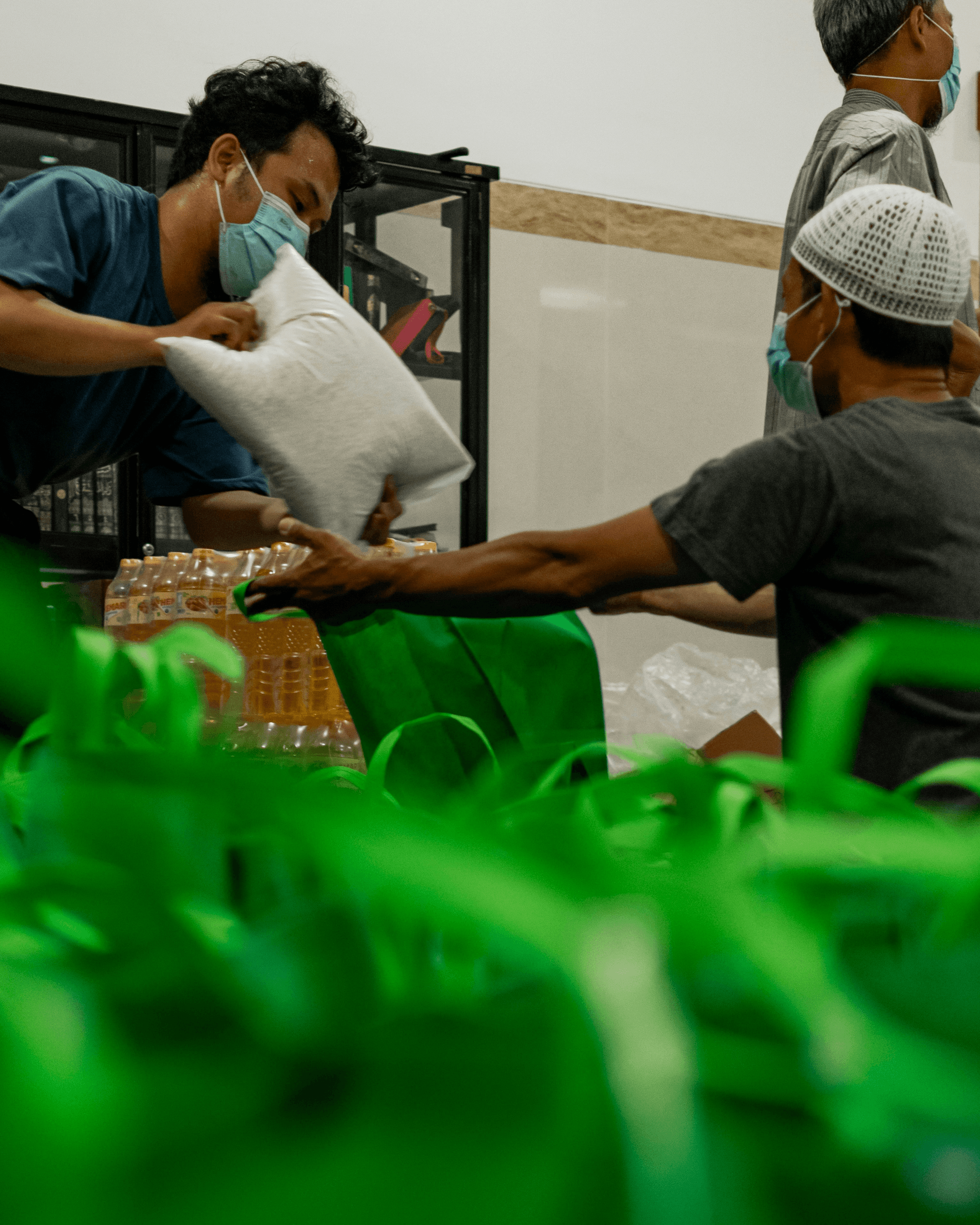
Ethical sourcing is more than just a buzzword; it’s a commitment to making responsible choices that positively impact the world. At its core, ethical sourcing involves ensuring that products are obtained in a way that respects people, communities, and the environment. So, what is ethical sourcing? It means prioritizing fairness and sustainability throughout the supply chain while considering the implications of every purchase.
Definition and Principles
To truly grasp what is ethical sourcing, we need to delve into its definition and guiding principles. Ethical sourcing encompasses practices that prioritize social responsibility, environmental stewardship, and economic fairness in procurement processes. This means not only selecting suppliers who adhere to fair labor practices but also ensuring that their production methods do not harm the planet or exploit vulnerable communities.
The principles of ethical sourcing include transparency in supply chains, accountability for suppliers' practices, and a commitment to continuous improvement. For example, companies like SSOURCING INC. strive for clarity about where their products come from and how they are made. By adhering to these principles, businesses can foster trust with consumers who increasingly demand ethically sourced products.
The Role of Fair Trade Practices
Fair trade practices play a pivotal role in defining what is ethical sourcing by establishing standards for equitable trading relationships between producers and consumers. These practices ensure that farmers and artisans receive fair compensation for their work while promoting sustainable farming techniques and community development initiatives. When companies embrace fair trade principles as part of their ethical sourcing strategy, they contribute to breaking cycles of poverty in developing regions.
For instance, organizations certified under fair trade guidelines often invest back into the communities they source from by supporting education or healthcare initiatives. This not only enhances the lives of individuals but also strengthens local economies—an essential aspect of what is ethical sourcing today. By partnering with fair trade-certified suppliers, companies like SSOURCING INC. can ensure their products align with their values while making a meaningful impact.
Importance of Transparency
Transparency is crucial when discussing what is ethical sourcing because it builds trust between businesses and consumers alike. Customers today are more informed than ever; they want to know where their products come from and how they were produced before making purchasing decisions. Companies must be open about their supply chains if they wish to engage ethically-minded consumers genuinely.
Moreover, transparency allows businesses to hold themselves accountable for their practices while encouraging suppliers to maintain high standards regarding labor rights and environmental impact. By providing clear information about sourcing processes—such as certifications or supplier audits—companies like SSOURCING INC can demonstrate their commitment to ethical values effectively. Ultimately, transparency transforms consumer skepticism into loyalty by showing that businesses care about more than just profits; they care about people too.
The Benefits of Ethical Sourcing

When businesses embrace ethical sourcing, they unlock a treasure trove of advantages that extend beyond mere profit margins. In today’s socially conscious marketplace, consumers are increasingly interested in understanding what is ethical sourcing and how their purchasing choices impact the world. By prioritizing ethical practices, companies can foster deeper connections with customers and create a more sustainable future.
1. Building Customer Loyalty
One of the most compelling benefits of ethical sourcing is its ability to build customer loyalty. When consumers understand what is ethical sourcing, they often feel a sense of alignment with brands that share their values, leading to repeat purchases and long-term relationships. SSOURCING INC. recognizes that loyal customers are not just buying products; they’re investing in a cause, which makes them more likely to advocate for your brand.
Furthermore, transparency in your supply chain can enhance trust and emotional engagement with your audience. Customers appreciate knowing that their money supports fair wages and responsible practices rather than exploitation or environmental harm. As they become more informed about what is ethical sourcing, they’re likely to choose businesses like yours over competitors who may not prioritize these principles.
2. Enhancing Brand Reputation
In an age where information travels at lightning speed, maintaining a positive brand reputation has never been more critical. Companies known for their commitment to what is ethical sourcing often enjoy enhanced public perception and increased media coverage—after all, good news travels fast! By showcasing your dedication to responsible practices through initiatives like those implemented by SSOURCING INC., you position yourself as an industry leader and attract attention from both consumers and potential partners.
Moreover, a strong reputation built on ethical practices can serve as a buffer during challenging times or crises. When customers perceive your brand as trustworthy and principled, they are less likely to abandon ship when the going gets tough. Ultimately, investing in what is ethical sourcing not only bolsters your image but also solidifies your place in the market.
3. Supporting Local Economies
Ethical sourcing goes beyond individual businesses; it has far-reaching implications for local economies as well. By choosing suppliers who practice what is ethical sourcing—such as fair trade or community-based production—you contribute directly to empowering local artisans and farmers. This support helps communities thrive by creating jobs and fostering economic stability.
Additionally, when companies prioritize local suppliers over distant ones, they reduce transportation emissions while enhancing product freshness—a win-win scenario! SSOURCING INC.’s commitment to supporting local economies reflects our belief that business success should go hand-in-hand with community upliftment. As consumers become increasingly aware of the importance of supporting local economies through thoughtful purchasing decisions, adopting these practices becomes essential for any brand aiming for longevity.
Ethical Sourcing Practices in Action

Ethical sourcing isn’t just a buzzword; it's a commitment that companies are taking to heart, showcasing how businesses can make a positive impact. In this section, we will explore real-world examples of ethical sourcing practices that demonstrate the principles of what is ethical sourcing. From Patagonia's environmental dedication to Starbucks' coffee sourcing initiatives, these case studies highlight how thoughtful choices can ripple through communities and ecosystems.
Case Study: Patagonia’s Commitment
Patagonia stands out as a beacon of what is ethical sourcing, intertwining environmental responsibility with business operations. The company has made significant strides in ensuring that its materials are sourced from sustainable suppliers who adhere to fair labor practices and environmental standards. By using recycled materials and promoting fair trade products, Patagonia not only enhances its brand reputation but also educates consumers about the importance of making responsible purchasing decisions.
Moreover, Patagonia’s commitment extends beyond its products; it actively encourages customers to repair rather than replace items through its Worn Wear program. This initiative reflects an understanding that true sustainability involves minimizing waste and maximizing the lifecycle of products—an essential element of what is ethical sourcing today. Through these efforts, Patagonia exemplifies how companies can lead by example while fostering customer loyalty and community engagement.
How Starbucks Implements Ethical Sourcing
Starbucks has embraced what is ethical sourcing by establishing comprehensive guidelines for purchasing coffee beans from farmers around the world. The company partners with organizations like Conservation International to ensure that their coffee is sourced ethically while also supporting sustainable farming practices. This approach not only guarantees high-quality coffee but also uplifts local communities by providing farmers with better wages and resources.
In addition to coffee, Starbucks emphasizes transparency in its supply chain by sharing stories about the farmers who grow their beans. This transparency helps consumers understand the direct impact of their choices on global communities—a critical aspect of what is ethical sourcing. By engaging customers in this narrative, Starbucks fosters a deeper connection between consumers and their products while reinforcing its brand reputation as a socially responsible company.
The Fair Trade Certification Process
The Fair Trade certification process serves as an essential framework for understanding what is ethical sourcing within various industries. It ensures that producers receive fair compensation for their goods while adhering to strict social, economic, and environmental standards throughout the supply chain. Organizations like Fair Trade International certify products ranging from coffee to textiles, helping consumers identify goods that align with their values.
To achieve certification, producers must meet specific criteria related to working conditions, environmental sustainability, and community development initiatives—an intricate dance between ethics and commerce. This process not only empowers marginalized communities but also educates consumers on the importance of supporting businesses committed to social justice and sustainability principles inherent in what is ethical sourcing today. By choosing certified products from SSOURCING INC., you can be part of this transformative journey toward more equitable trade practices.
The Challenges of Ethical Sourcing

While ethical sourcing is a noble endeavor, it comes with its own set of challenges that can make the journey a bit bumpy. Many businesses find themselves tangled in the intricate web of supply chains, where transparency is often elusive. Navigating this complexity requires a clear understanding of what is ethical sourcing and the various players involved, which can be overwhelming for newcomers.
Navigating Supply Chain Complexity
The supply chain for ethically sourced products can resemble a labyrinth, filled with various stakeholders, regulations, and standards. Understanding what is ethical sourcing means recognizing that each link in the chain has its own set of values and practices. For companies like SSOURCING INC., this complexity necessitates robust tracking systems to ensure compliance and uphold ethical standards throughout every stage of production.
Moreover, companies must also contend with geographical differences that influence labor practices and environmental regulations. These variations can complicate efforts to maintain consistent ethical sourcing practices across different regions. As businesses strive to align their operations with ethical principles, they must invest time and resources into building relationships with suppliers who share their values.
Overcoming Misconceptions About Costs
One common misconception surrounding what is ethical sourcing is that it inherently leads to higher costs for businesses and consumers alike. While it's true that sustainable practices may have upfront expenses, many fail to see the long-term benefits these investments yield—such as increased customer loyalty and brand reputation. By educating stakeholders about the true value of ethical sourcing, companies like SSOURCING INC. can help shift perceptions away from short-term costs toward long-term gains.
Additionally, businesses often overlook the fact that consumers are increasingly willing to pay a premium for ethically sourced products. As awareness grows around social responsibility issues, shoppers are more inclined to support brands committed to fair trade practices and sustainability efforts. Thus, investing in ethical sourcing can ultimately drive profitability by attracting conscientious consumers who prioritize ethics over price.
Addressing Ethical Dilemmas
Even when companies commit to what is ethical sourcing, they may face challenging moral dilemmas along the way. For instance, balancing cost efficiency with fair labor practices can create tension when suppliers push back against higher wages or improved working conditions due to budget constraints. In such instances, businesses must engage in difficult conversations while remaining steadfast in their commitment to ethics.
Moreover, navigating cultural differences presents another layer of complexity when addressing ethical dilemmas in global supply chains. What one culture views as acceptable might be seen as unethical elsewhere; thus understanding local customs becomes crucial for maintaining integrity without compromising core values related to what is ethical sourcing. Companies like SSOURCING INC., which prioritize open dialogue and cultural sensitivity within their supply chains, stand a better chance at resolving these conflicts effectively.
In conclusion, while challenges abound in the realm of ethical sourcing—be it navigating complex supply chains or addressing misconceptions about costs—companies have ample opportunity for growth through proactive engagement with these issues.
How to Implement Ethical Sourcing in Your Business

Implementing ethical sourcing in your business might feel like navigating a maze, but fear not! With a clear roadmap and a sprinkle of commitment, you can transform your supply chain into a beacon of ethical practices. Let’s break down the steps to make this journey manageable and impactful.
Steps to Create an Ethical Sourcing Policy
Creating an ethical sourcing policy begins with understanding what is ethical sourcing and its importance for your business. Start by defining the core values that align with your brand—these should reflect social responsibility, environmental sustainability, and fair labor practices. Once you've outlined these principles, draft a comprehensive policy that includes guidelines for selecting suppliers, evaluating their practices, and ensuring compliance with ethical standards.
Next, communicate this policy not just internally but also externally to stakeholders and customers; transparency is key! Make sure everyone involved understands what is expected regarding ethical sourcing and why it matters. By fostering an environment where everyone is on the same page, you’ll create a culture that prioritizes ethics over mere profit.
Lastly, revisit your policy regularly—this isn't a one-and-done deal! The landscape of what is ethical sourcing evolves as new challenges arise; keeping it fresh ensures you're always aligned with best practices. SSOURCING INC. encourages businesses to stay agile in their approach to maintain relevance in today’s conscientious marketplace.
Collaborating with Ethical Suppliers
Finding suppliers who share your commitment to ethical sourcing can be akin to finding a needle in a haystack—but it’s worth the effort! Start by researching potential partners who have established reputations for adhering to fair trade practices and sustainable operations. Look for certifications such as Fair Trade or B Corp that validate their claims; these badges of honor can save you time sifting through less scrupulous options.
Once you've identified suitable suppliers, engage them in meaningful conversations about their own policies regarding what is ethical sourcing. This dialogue will help you gauge their level of commitment while also providing insights into how they operate behind the scenes. Building strong relationships based on shared values can lead to better collaboration and innovation down the line.
Finally, consider forming partnerships or joining networks focused on sustainable practices; this will enhance your credibility while expanding your reach within the community committed to what is ethical sourcing. SSOURCING INC. believes that collaboration amplifies impact—when businesses unite for good, everyone wins!
Measuring Your Ethical Impact
Now that you've implemented policies and partnered with like-minded suppliers, how do you measure success? Begin by establishing key performance indicators (KPIs) related specifically to your goals around what is ethical sourcing—this could include supplier compliance rates or improvements in environmental footprints over time. Regularly track these metrics so you can celebrate successes or pivot when necessary.
Another effective method is gathering feedback from customers about their perceptions of your brand's commitment to ethics; surveys or social media polls can provide valuable insights into how well you're resonating with them on this front. Remember: customer loyalty often hinges on transparency regarding what is ethical sourcing—if they see genuine efforts being made, they’re more likely to stick around!
Finally, don’t hesitate to share these results publicly! Reporting on progress not only holds you accountable but also inspires others within the industry to follow suit—a win-win situation all around! At SSOURCING INC., we believe that measuring impact isn’t just about numbers; it’s about making meaningful connections through responsible choices.
Conclusion

As we wrap up our exploration of ethical sourcing, it's clear that this practice is not just a trend but a fundamental shift in how businesses operate. The future of ethical sourcing promises to be more robust and integrated into the fabric of corporate responsibility. Companies that embrace this movement will not only thrive but also contribute positively to society and the environment.
The Future of Ethical Sourcing
Looking ahead, ethical sourcing will likely evolve with technological advancements and increased consumer awareness. Businesses will need to leverage innovative solutions, such as blockchain technology, to ensure transparency and traceability in their supply chains. As consumers become more educated about what is ethical sourcing, they will demand higher standards from brands, pushing companies to adapt or risk losing market share.
Why Your Choices Matter
Every purchasing decision you make has a ripple effect that extends far beyond your immediate needs. By choosing ethically sourced products, you support fair labor practices, environmental sustainability, and local economies—all critical components of what is ethical sourcing. Remember, your choices matter; they shape industries and influence the lives of countless individuals around the globe.
Join the Ethical Sourcing Movement with SSOURCING INC.
At SSOURCING INC., we believe that every business can play a role in promoting ethical sourcing practices. By partnering with us, you can develop an effective strategy tailored to your unique needs while ensuring compliance with fair trade principles. Together, let's champion what is ethical sourcing and create a better world for everyone involved.