

Introduction
In an era where environmental consciousness is at the forefront, sustainable procurement has emerged as a vital strategy for businesses looking to thrive. Understanding the benefits of sustainable procurement goes beyond mere compliance; it offers a pathway to innovation, efficiency, and long-term profitability. As companies increasingly recognize the importance of sustainability, they are compelled to integrate these principles into their procurement processes, aligning their operations with broader social and environmental goals.
Understanding Sustainable Procurement Benefits
The benefits of sustainable procurement are manifold, encompassing economic advantages, environmental stewardship, and enhanced brand reputation. By adopting sustainable practices in sourcing materials and services, businesses can achieve significant cost savings through improved efficiencies and reduced waste. Moreover, these practices foster resilience in supply chains while contributing positively to communities and ecosystems—an essential aspect of modern corporate responsibility.
Why Businesses Should Care About Sustainability
Today’s consumers are more informed than ever and increasingly favor brands that prioritize sustainability. By embracing sustainable procurement strategies, businesses can not only meet customer expectations but also differentiate themselves from competitors who may lag behind in this area. The integration of sustainability into core business practices isn't just a trend; it's becoming an expectation that can drive loyalty and trust among consumers.
The Role of SSOURCING INC. in Sustainable Procurement
At SSOURCING INC., we understand that navigating the complexities of sustainable procurement requires expertise and commitment. Our approach helps businesses identify opportunities for integrating sustainability into their supply chains while maximizing the benefits of sustainable procurement. By partnering with us, companies can leverage our knowledge to enhance their operational efficiency while making a positive impact on society and the environment.
What is Sustainable Procurement?

Sustainable procurement is more than a buzzword; it’s a transformative approach that integrates environmental, social, and economic considerations into the purchasing process. It's about making choices that not only fulfill immediate business needs but also contribute positively to the planet and society. By understanding the benefits of sustainable procurement, businesses can align their operations with global sustainability goals while enhancing their bottom line.
Defining the Concept
At its core, sustainable procurement refers to the acquisition of goods and services in a way that minimizes negative impacts on the environment and society. This involves selecting suppliers who prioritize ethical practices, resource efficiency, and reduced carbon footprints. The concept emphasizes not just what is bought but how it is sourced—ensuring that every purchase supports broader sustainability objectives.
Key Principles of Sustainable Procurement
The key principles of sustainable procurement revolve around three main pillars: environmental stewardship, social responsibility, and economic viability. First, businesses should aim to reduce waste and promote recycling by choosing eco-friendly products. Second, they must ensure fair labor practices throughout their supply chain to support social equity. Finally, integrating cost-effectiveness with sustainable choices ensures long-term financial stability—one of the many benefits of sustainable procurement.
Examples from Leading Companies
Numerous leading companies are setting benchmarks in sustainable procurement by integrating these principles into their operations. For instance, Unilever has made significant strides by sourcing raw materials sustainably while committing to reducing its carbon footprint across its supply chain—a clear demonstration of the benefits of sustainable procurement in action. Similarly, IKEA focuses on responsible sourcing by ensuring all wood comes from sustainably managed forests—a practice that not only enhances brand reputation but also contributes positively to environmental conservation.
Economic Advantages of Sustainable Procurement

Sustainable procurement isn't just a buzzword; it’s a savvy business strategy that can lead to significant economic advantages. When businesses embrace sustainable practices, they unlock a treasure trove of benefits that go beyond mere compliance or good intentions. By focusing on sustainability, companies can enhance their bottom line while contributing positively to society and the environment.
Cost Savings Through Efficiency
One of the most compelling benefits of sustainable procurement is the cost savings achieved through increased efficiency. By optimizing resources and reducing waste, businesses can lower operational costs significantly over time. For instance, SSOURCING INC. helps companies identify sustainable suppliers who utilize eco-friendly materials and processes, ultimately leading to reduced expenses in production and logistics.
Moreover, energy-efficient practices not only cut costs but also boost productivity by streamlining operations and minimizing downtime. Companies that invest in sustainable technologies often find themselves with lower utility bills and improved resource management, which translates into higher profit margins. It’s clear that the benefits of sustainable procurement extend well beyond environmental considerations; they have real financial implications.
Long-term Financial Stability
Sustainable procurement fosters long-term financial stability by mitigating risks associated with supply chain disruptions and resource scarcity. In an ever-changing market landscape, businesses that prioritize sustainability are better equipped to withstand economic fluctuations and regulatory changes. By partnering with responsible suppliers through SSOURCING INC., companies can secure their supply chains against future uncertainties.
Additionally, organizations committed to sustainability often enjoy enhanced investor confidence as more stakeholders seek out environmentally responsible investments. This growing trend not only stabilizes financial performance but also opens doors for new funding opportunities from socially conscious investors eager to support businesses aligned with their values. The benefits of sustainable procurement are clear: they pave the way for a resilient financial future.
Case Studies of Successful Businesses
Many leading companies have harnessed the power of sustainable procurement to drive impressive economic results, showcasing its viability across various industries. For instance, Unilever has implemented sustainability initiatives throughout its supply chain, resulting in significant cost reductions while boosting brand loyalty among consumers who value ethical practices—an undeniable benefit of sustainable procurement.
Another notable example is Walmart's commitment to sourcing sustainably produced goods which has led to substantial savings in logistics costs due to optimized inventory management and reduced waste levels across its operations. These case studies illustrate how embracing sustainability not only enhances corporate responsibility but also drives tangible economic benefits for organizations willing to lead by example.
Environmental Impact Reduction
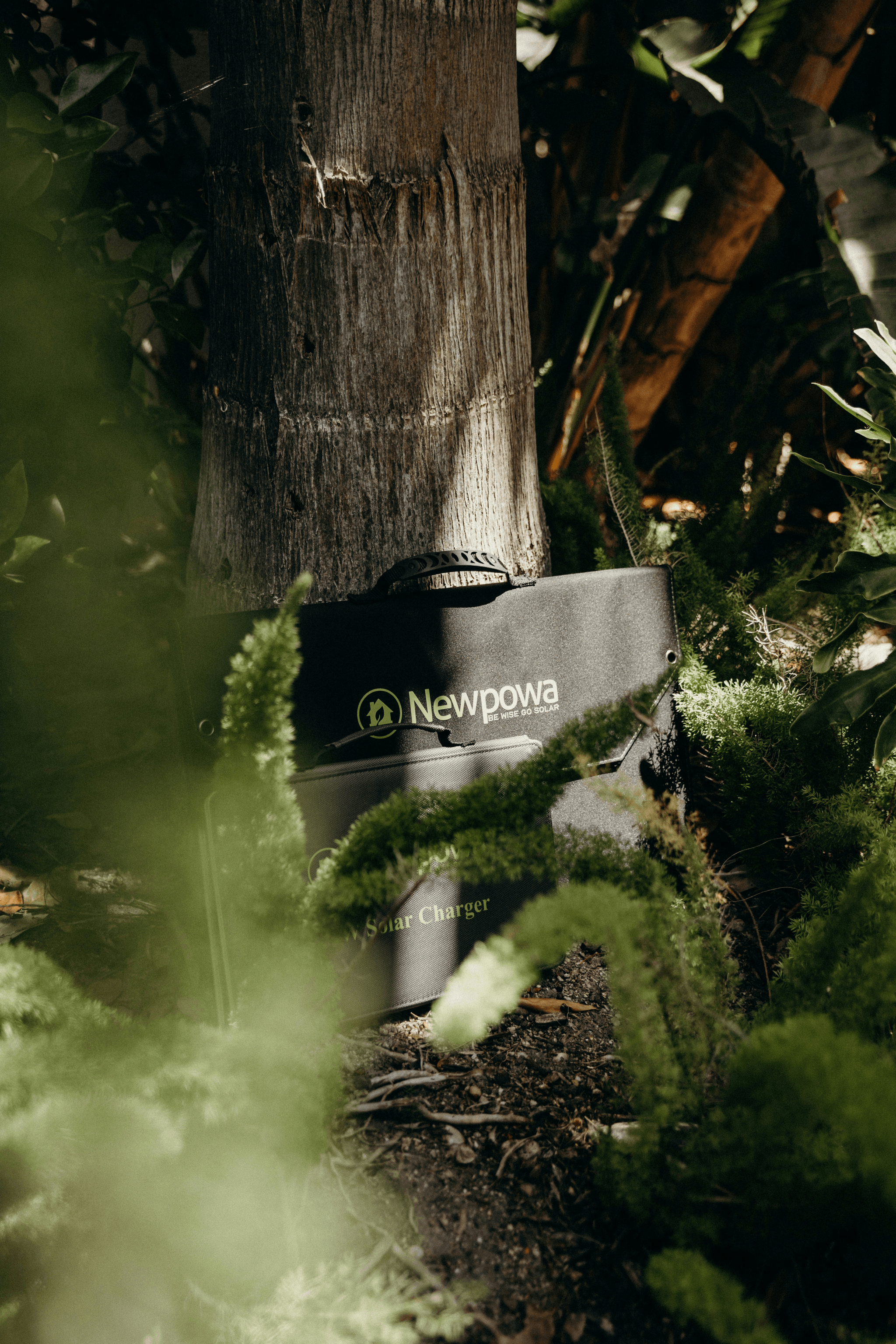
In a world where climate change is a pressing concern, businesses must prioritize environmental impact reduction. Sustainable procurement plays a crucial role in this endeavor, offering the benefits of sustainable procurement that extend beyond mere compliance; they can propel companies into a greener future. By adopting eco-friendly practices, organizations not only contribute to the planet's health but also enhance their long-term viability.
Lowering Carbon Footprints
One of the most significant benefits of sustainable procurement is its ability to lower carbon footprints. By sourcing materials and services from suppliers who prioritize sustainability, businesses can significantly reduce greenhouse gas emissions associated with their operations. SSOURCING INC. recognizes that every choice made in the supply chain has an environmental impact, and by optimizing these choices, companies can contribute to a healthier planet while reaping economic rewards.
Moreover, implementing energy-efficient technologies and practices throughout the supply chain helps minimize emissions further. For instance, businesses can invest in renewable energy sources or select logistics partners committed to reducing their carbon footprints. The cumulative effect of these efforts leads to substantial reductions in overall emissions and fosters a culture of sustainability within organizations.
Resource Conservation Strategies
Resource conservation is another critical aspect of sustainable procurement that offers numerous benefits for both businesses and the environment. By adopting strategies such as recycling materials and minimizing waste during production processes, companies can conserve valuable resources while also cutting costs associated with raw material acquisition. SSOURCING INC.'s approach emphasizes finding suppliers who share this commitment to conserving resources through innovative practices.
Additionally, encouraging suppliers to adopt sustainable resource management techniques not only supports long-term environmental goals but also enhances supply chain resilience. For example, using biodegradable packaging or sourcing sustainably harvested materials reduces dependency on finite resources while appealing to environmentally conscious consumers. Ultimately, implementing resource conservation strategies leads to operational efficiencies that benefit both the bottom line and the planet.
Real-life Examples of Environmental Benefits
Numerous companies have embraced sustainable procurement practices with remarkable results showcasing the benefits of sustainable procurement in action. Take Unilever, for instance; they have committed to sourcing all their agricultural raw materials sustainably by 2025—leading them towards significant reductions in their carbon footprint while enhancing brand loyalty among eco-conscious consumers. Similarly, IKEA has implemented initiatives aimed at using renewable or recycled materials for all its products by 2030.
These real-life examples illustrate how prioritizing sustainability within procurement not only drives positive environmental outcomes but also strengthens brand reputation among consumers who value corporate responsibility. As more organizations like SSOURCING INC. adopt similar approaches, we will see an increasing number of success stories highlighting how sustainable procurement translates into tangible environmental benefits for everyone involved.
Enhanced Brand Reputation

In today’s market, a strong brand reputation is crucial for success, and sustainable procurement plays a pivotal role in shaping that image. Companies that prioritize sustainability not only attract environmentally conscious consumers but also foster loyalty among their existing customer base. By integrating sustainable practices into their procurement strategies, businesses can effectively communicate their commitment to social and environmental responsibility, thereby enhancing their overall brand reputation.
Building Trust with Consumers
Building trust with consumers is one of the most significant benefits of sustainable procurement. When businesses demonstrate transparency in their sourcing methods and commitment to ethical practices, they create a foundation of trust that resonates deeply with customers. SSOURCING INC. believes that when consumers see brands actively working towards sustainability goals, they are more likely to choose those brands over competitors who do not prioritize these values.
Moreover, as consumers become increasingly aware of environmental issues, they seek out brands that align with their values. This shift means companies adopting sustainable procurement can effectively tap into a growing market segment dedicated to supporting responsible businesses. Thus, the benefits of sustainable procurement extend beyond mere compliance; they create an emotional connection between brands and consumers.
Sustainability as a Competitive Advantage
Sustainability is no longer just a buzzword; it has transformed into a competitive advantage for businesses willing to embrace it wholeheartedly. By adopting sustainable procurement practices, companies can differentiate themselves in crowded markets where consumers are bombarded with choices daily. SSOURCING INC.'s approach emphasizes how these practices lead to innovation and efficiency—two critical factors that enhance competitiveness.
Additionally, organizations committed to sustainability often report higher employee morale and retention rates since employees take pride in working for socially responsible companies. This internal culture of sustainability can further amplify brand reputation externally as satisfied employees become brand ambassadors in their communities and networks. The benefits of sustainable procurement thus ripple outwardly—strengthening both internal culture and external perception.
Notable Brands Embracing Sustainable Procurement
Several notable brands have successfully embraced sustainable procurement, showcasing the tangible benefits it brings to brand reputation and consumer trust alike. For instance, Patagonia has built its entire identity around environmental stewardship—using recycled materials and promoting fair labor practices—which has garnered immense loyalty from its customer base while enhancing its global reputation as an eco-conscious leader.
Similarly, Unilever's commitment to sourcing sustainably has resulted in increased sales growth within its Sustainable Living Brands portfolio compared to non-sustainable counterparts—proving that eco-friendly initiatives resonate well with today’s consumer preferences. These examples illustrate how the benefits of sustainable procurement are not just theoretical; they translate into real-world success stories for brands willing to invest in responsible sourcing strategies.
Compliance and Risk Management

In the ever-evolving landscape of business, compliance and risk management are paramount, especially when integrating sustainable procurement practices. Companies must navigate a labyrinth of regulations and standards that govern environmental responsibility. By embracing the benefits of sustainable procurement, businesses can not only adhere to these requirements but also position themselves as leaders in their industries.
Navigating Regulations and Standards
Understanding the regulatory environment is crucial for any organization aiming to implement sustainable procurement strategies effectively. Governments worldwide are increasingly enacting laws that mandate sustainable practices, making it essential for businesses to stay informed about current regulations. SSOURCING INC. can help companies decipher these complexities, ensuring they not only comply with existing standards but also anticipate future changes that may impact their operations.
Moreover, aligning procurement processes with sustainability standards can lead to significant benefits of sustainable procurement, including improved operational efficiencies and enhanced stakeholder trust. Companies that proactively address compliance issues often find themselves better equipped to respond to market demands and consumer expectations regarding sustainability. Ultimately, a robust compliance framework allows businesses to mitigate risks while reaping the rewards of responsible sourcing.
Reducing Supply Chain Risks
Supply chains are often fraught with vulnerabilities that can jeopardize a company's reputation and bottom line. By adopting sustainable procurement practices, organizations can significantly reduce these risks through greater transparency and accountability within their supply chains. SSOURCING INC.'s expertise in identifying potential pitfalls helps businesses create strategies that prioritize ethical sourcing while minimizing disruptions caused by non-compliance or unethical practices.
The benefits of sustainable procurement extend beyond mere compliance; they encompass resilience against external shocks such as market fluctuations or regulatory changes. Companies investing in sustainability are more likely to foster long-term relationships with suppliers who share similar values, further stabilizing their supply chains against unforeseen challenges. This proactive approach not only safeguards resources but also enhances overall operational efficiency.
Insights from Industry Leaders on Compliance
Industry leaders recognize that navigating compliance issues is no longer just about avoiding penalties—it's about leveraging the benefits of sustainable procurement for competitive advantage. Many successful companies have integrated sustainability into their core operations as a strategic imperative rather than an afterthought. Insights from these pioneers reveal that prioritizing compliance not only mitigates risks but also drives innovation in product development and service delivery.
SSOURCING INC.'s collaboration with leading firms showcases how effective compliance management leads to enhanced brand loyalty and customer satisfaction—key components in today's marketplace where consumers demand accountability from brands they support. By sharing best practices and lessons learned from real-world experiences, organizations can inspire one another to adopt robust frameworks for both compliance and sustainability initiatives alike. Embracing this mindset will undoubtedly pave the way for a more resilient business model equipped for future challenges.
Conclusion

Sustainable procurement is no longer just a buzzword; it’s becoming a business imperative. As organizations recognize the benefits of sustainable procurement, they are increasingly integrating these practices into their core strategies. The shift towards sustainability is not only about compliance but also about enhancing overall business resilience and reputation.
The Growing Importance of Sustainable Procurement
The benefits of sustainable procurement are manifold, encompassing economic, environmental, and social dimensions. Companies that adopt these practices not only reduce their ecological footprint but also unlock cost savings and operational efficiencies that contribute to long-term profitability. With consumers becoming more environmentally conscious, businesses must prioritize sustainability to stay relevant in today’s market.
Driving Change in the Business Landscape
The landscape of business is evolving rapidly, with sustainability at its forefront driving significant change. Organizations that embrace the benefits of sustainable procurement are positioning themselves as leaders rather than followers in their industries. This proactive approach fosters innovation and encourages a culture of responsibility, which can lead to enhanced market competitiveness.
How SSOURCING INC. Can Support Your Journey
At SSOURCING INC., we understand the challenges businesses face in implementing sustainable procurement practices effectively. Our tailored solutions help organizations navigate this complex landscape by identifying opportunities to harness the benefits of sustainable procurement while mitigating risks associated with non-compliance and inefficiency. Let us partner with you on your journey toward sustainability—because together, we can create a greener future for all.