

Introduction
The contract procurement process is a fundamental aspect of any successful business operation, serving as the bridge between organizations and their suppliers. Understanding this process is crucial for ensuring that companies like SSOURCING INC. can effectively acquire the goods and services they need to thrive in today’s competitive market. By mastering the intricacies of contract procurement, businesses can optimize their resources and enhance their overall performance.
Understanding the Contract Procurement Process
At its core, the contract procurement process involves a series of systematic steps that organizations undertake to obtain products or services from external sources. This includes everything from identifying needs and drafting specifications to soliciting bids and negotiating terms. A thorough understanding of each phase in this process not only streamlines operations but also fosters better relationships with vendors, ensuring mutual benefits for both parties involved.
Importance of Effective Procurement
Effective procurement is essential for maintaining a company’s operational efficiency and cost-effectiveness. It directly impacts profitability by enabling organizations to secure favorable terms and pricing while minimizing risks associated with supplier relationships. For companies like SSOURCING INC., honing effective procurement strategies can lead to substantial savings, improved quality of goods or services, and enhanced competitiveness in the marketplace.
Key Stakeholders in Procurement
The success of the contract procurement process hinges on collaboration among various key stakeholders within an organization. These typically include procurement officers, finance teams, project managers, and legal advisors who work together to ensure compliance with regulations while meeting organizational needs. Engaging these stakeholders early in the process helps align objectives and fosters a more efficient approach to achieving procurement goals.
What is Contract Procurement?

The contract procurement process is a vital aspect of business operations that involves acquiring goods and services through formal agreements. It serves as the backbone for ensuring that companies like SSOURCING INC. can secure the necessary resources to function effectively. Understanding this process not only helps in optimizing costs but also enhances strategic planning and execution.
Definition and Overview
At its core, contract procurement refers to the structured method by which organizations obtain products or services from external suppliers through legally binding agreements. This process encompasses everything from identifying needs to negotiating terms and managing relationships with vendors. The contract procurement process is essential for maintaining quality, controlling costs, and fostering competitive advantages in the marketplace.
Common Types of Contracts
There are several types of contracts utilized within the contract procurement process, each tailored to specific needs and situations. Fixed-price contracts provide a set price for services or goods, while cost-reimbursement contracts allow for flexibility based on actual expenses incurred. Additionally, there are time-and-materials contracts that combine elements of both pricing methods—perfect for projects where scope can fluctuate unpredictably.
The Role of Contract Procurement in Business
Contract procurement plays a crucial role in business success by ensuring that organizations have access to the right resources at the right time. For companies like SSOURCING INC., effective procurement strategies can lead to improved supplier relationships, enhanced product quality, and reduced operational risks. By efficiently navigating the contract procurement process, businesses can achieve their strategic objectives while maximizing profitability.
Stages of the Contract Procurement Process
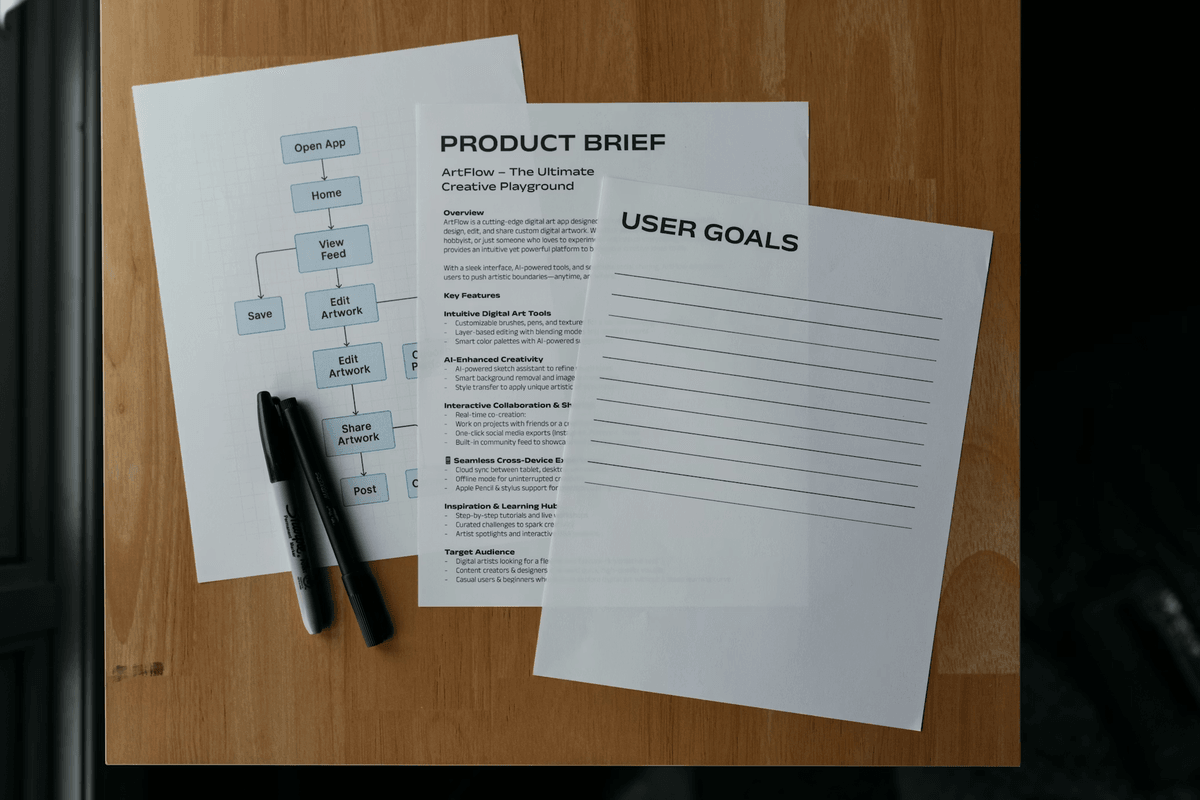
Navigating the contract procurement process can feel like a maze, but understanding its stages can help you find your way. This journey typically unfolds in three critical phases: Pre-Procurement Planning, Solicitation and Bidding, and Contract Award and Negotiation. Each stage plays a vital role in ensuring that your procurement strategy is not just effective but also efficient.
Pre-Procurement Planning
Before diving headfirst into the contract procurement process, it's essential to lay down a solid foundation through pre-procurement planning. This stage involves identifying needs, assessing available resources, and setting clear objectives to guide the entire procurement journey. By taking time to plan effectively, organizations like SSOURCING INC. can minimize risks and ensure alignment among all stakeholders involved.
During this phase, it’s crucial to engage with key stakeholders to gather insights and expectations about the procurement requirements. This collaboration helps create a comprehensive scope of work that accurately reflects what is needed while also considering budget constraints and timelines. Ultimately, thorough pre-procurement planning sets the stage for smoother solicitation and bidding processes down the line.
Solicitation and Bidding
Once pre-procurement planning is complete, it’s time for the solicitation and bidding phase of the contract procurement process. This is where organizations invite suppliers or vendors to submit proposals or bids based on predefined criteria laid out in the request for proposal (RFP) or invitation to bid (ITB). A well-crafted solicitation document not only attracts qualified bidders but also clearly communicates your organization's needs.
During this stage, it’s important for companies like SSOURCING INC. to evaluate bids carefully against established criteria such as cost-effectiveness, quality of service or product offerings, and vendor reputation. Engaging in transparent communication with bidders can foster healthy competition while ensuring that all parties understand expectations upfront. The outcome of this phase greatly influences which supplier will ultimately be awarded the contract.
Contract Award and Negotiation
The final phase of the contract procurement process revolves around awarding contracts and negotiating terms with selected suppliers or vendors. Once bids have been evaluated thoroughly, organizations must make informed decisions about which proposals best align with their goals while offering value for money spent. It’s during this stage that negotiation skills come into play; effective negotiations ensure that both parties are satisfied with terms regarding pricing, delivery schedules, quality standards, and other critical factors.
For companies like SSOURCING INC., successful negotiation not only results in favorable terms but also establishes a strong foundation for long-term relationships with suppliers—a crucial element in today’s competitive market landscape. After reaching an agreement on contract terms, both parties formalize their commitments through signed contracts that outline responsibilities and expectations moving forward. With everything in place post-negotiation—let's just say you're ready to roll!
Techniques for Effective Procurement

In the fast-paced world of business, mastering the contract procurement process is essential for achieving optimal results. Effective procurement techniques can streamline operations, reduce costs, and enhance overall project success. Here, we delve into best practices for contract management, the role of technology in procurement, and strategies for managing risks—all vital components in ensuring a smooth contract procurement process.
Best Practices for Contract Management
Successful contract management is a cornerstone of an effective contract procurement process. One of the best practices involves maintaining clear communication with all stakeholders throughout the lifecycle of the contract. This transparency not only fosters trust but also helps to mitigate misunderstandings that could lead to costly disputes down the line.
Another key practice is to establish performance metrics that align with your business objectives. These metrics allow you to monitor compliance and effectiveness during the execution phase, ensuring that all parties meet their obligations as outlined in the agreement. SSOURCING INC. emphasizes regular reviews and updates to contracts as market conditions change, allowing flexibility while keeping everyone on track.
Finally, utilizing a centralized document management system can significantly enhance your ability to manage contracts efficiently. By keeping all relevant documents accessible and organized in one location, you can streamline processes and improve collaboration among team members involved in the contract procurement process.
Utilizing Technology in Procurement
The integration of technology into the contract procurement process has revolutionized how businesses operate today. Digital tools such as e-procurement platforms enable companies like SSOURCING INC. to automate repetitive tasks, reducing manual errors and saving valuable time during each stage of procurement. This technological advancement allows teams to focus on strategic decision-making rather than getting bogged down by administrative tasks.
Moreover, data analytics tools provide insights into spending patterns and supplier performance that were previously difficult to access or analyze manually. By leveraging this data effectively, organizations can make informed decisions about suppliers while optimizing their overall procurement strategy within budget constraints. As you navigate through your own contract procurement process, embracing these technologies will undoubtedly yield significant benefits.
Lastly, implementing cloud-based solutions ensures that all stakeholders have real-time access to crucial information regardless of their location—perfect for remote teams or those collaborating across different regions! This level of accessibility enhances communication and keeps everyone aligned throughout every step of the contract procurement process.
Risk Management Strategies
Every successful business knows that risk is an inherent part of any endeavor; however, having robust risk management strategies can mitigate potential pitfalls within your contract procurement process effectively! One approach is conducting thorough due diligence on suppliers before entering into agreements—this includes assessing financial stability and checking references from past clients or projects they’ve completed successfully.
Additionally, creating contingency plans can prepare your organization for any unexpected challenges during execution phases or when working with new vendors who may not yet be familiar with your processes or expectations! SSOURCING INC.'s proactive approach involves identifying potential risks early on so that they can be addressed promptly without derailing ongoing projects or straining relationships with partners involved in this crucial phase.
Lastly, fostering a culture where employees feel empowered to report issues without fear promotes open dialogue around risks associated with contracts being managed within your organization’s framework! Encouraging collaboration ensures everyone plays their part in safeguarding against disruptions throughout each stage of the contract procurement process while reinforcing accountability across teams involved!
Common Challenges in Procurement

Navigating the contract procurement process can be a labyrinthine endeavor, fraught with challenges that can trip up even the most seasoned professionals. From legal regulations to budget constraints, each hurdle requires strategic thinking and adaptability. Understanding these common challenges is crucial for organizations like SSOURCING INC. to streamline their procurement efforts effectively.
Navigating Legal Regulations
The contract procurement process is heavily influenced by a myriad of legal regulations that vary by jurisdiction and industry. Compliance with these laws is not just a box to check; failing to adhere can lead to costly penalties or even disqualification from future contracts. SSOURCING INC. emphasizes the importance of staying updated on relevant laws and incorporating compliance training into their procurement strategy, ensuring that every team member understands their responsibilities.
Moreover, the complexity of legal frameworks often leads organizations to seek external expertise, which can add time and costs to the procurement process. Therefore, it's essential for companies to build strong relationships with legal advisors who specialize in contract law related to procurement. This proactive approach not only mitigates risks but also enhances overall efficiency within the contract procurement process.
Managing Stakeholder Expectations
In any contract procurement process, managing stakeholder expectations is akin to walking a tightrope—one misstep could lead to dissatisfaction or conflict among involved parties. Different stakeholders often have varying priorities and goals; balancing these while ensuring that everyone feels heard can be quite challenging for teams at SSOURCING INC. Effective communication strategies are vital here; regular updates and transparent discussions about timelines and deliverables help keep everyone aligned.
Additionally, it’s important for organizations to set realistic expectations right from the outset of the procurement process. By establishing clear objectives and deliverables early on, stakeholders will have a better understanding of what success looks like—and this reduces friction down the line when things inevitably shift during negotiations or project execution. Remember, managing expectations is not just about keeping everyone happy; it’s about fostering collaboration that drives successful outcomes in your contract procurement endeavors.
Addressing Budget Constraints
Budget constraints pose one of the most significant challenges in any contract procurement process—especially in today's economic climate where every dollar counts more than ever before. Organizations like SSOURCING INC., need to find creative solutions that allow them to procure high-quality goods and services without breaking the bank. This often involves prioritizing needs over wants and making tough decisions about where funds should be allocated most effectively.
Furthermore, effective risk management strategies play a crucial role in addressing budget constraints during the procurement phase as well as throughout project execution. By anticipating potential pitfalls—such as price increases or unforeseen expenses—procurement teams can develop contingency plans that help mitigate financial impacts later on down the line, ultimately leading toward smoother operations within your organization’s overall budgetary framework.
Lastly, leveraging technology tools such as e-procurement software can significantly enhance visibility into spending patterns while optimizing resource allocation across projects—making it easier for teams at SSOURCING INC., or any other organization facing similar hurdles during their contract procurement processes, to stay within budget while still delivering quality results.
Real-World Examples of Successful Procurement

When it comes to understanding the intricacies of the contract procurement process, real-world examples can provide invaluable insights. Companies that have effectively navigated this landscape often share strategies that others can adopt to enhance their own procurement practices. This section explores case studies from Fortune 500 companies, lessons learned from government contracts, and SSOURCING INC.'s unique approach to procurement.
Case Studies from Fortune 500 Companies
Fortune 500 companies have mastered the art of the contract procurement process, often setting benchmarks for efficiency and effectiveness. For instance, a leading tech company streamlined its procurement by implementing a centralized digital platform that allowed for real-time tracking and management of contracts. This shift not only reduced processing time but also improved compliance with regulatory requirements—an essential aspect of any successful contract procurement strategy.
Another notable example comes from a major automotive manufacturer that adopted strategic sourcing techniques to negotiate better terms with suppliers. By leveraging data analytics, they identified cost-saving opportunities across their supply chain, demonstrating how informed decision-making can enhance the overall contract procurement process. These examples highlight that innovative approaches can lead to significant improvements in both cost and quality.
The success stories of these industry giants serve as blueprints for other organizations looking to refine their own contract procurement processes. By learning from these case studies, businesses can adapt best practices to suit their unique needs and challenges.
Lessons Learned from Government Contracts
Government contracts often come with a set of complexities that can provide valuable lessons for all sectors involved in the contract procurement process. One key takeaway is the importance of transparency; government entities are required to maintain open communication throughout the bidding process, which fosters trust among stakeholders. This principle is something private companies should consider adopting as they navigate their own procurement challenges.
Additionally, many government contracts emphasize strict compliance with legal regulations—a lesson that underscores the need for meticulous attention to detail in documentation and reporting during any contract procurement endeavor. Agencies that have successfully managed these requirements often rely on comprehensive training programs for staff involved in procurement activities, ensuring everyone understands both legal obligations and best practices.
Finally, adapting agile methodologies has proven beneficial in governmental procurements where timelines are tight and resources limited. By embracing flexibility within established frameworks, organizations can respond more effectively to changing circumstances—a vital skill applicable across all types of contract procurements.
SSOURCING INC.'s Approach to Procurement
At SSOURCING INC., we pride ourselves on our innovative approach to the contract procurement process—one that's rooted in collaboration and technology-driven solutions. Our methodology emphasizes creating strong partnerships with suppliers while utilizing advanced analytics tools for data-driven decision-making throughout each stage of procurement. This ensures we not only meet but exceed stakeholder expectations consistently.
One standout feature of our strategy is our commitment to sustainability within our sourcing practices. We recognize that responsible purchasing decisions contribute significantly not just to our bottom line but also positively impact communities and environments worldwide—an aspect increasingly important in today’s market landscape surrounding contract procurements.
Moreover, ongoing training initiatives at SSOURCING INC ensure our team remains adept at navigating evolving market conditions while staying compliant with ever-changing regulations—a crucial factor when considering long-term success in any organization’s contracting efforts.
Conclusion

In wrapping up our exploration of the contract procurement process, it's essential to recognize that this process is not merely a series of steps but a strategic endeavor that can significantly impact an organization's success. Effective procurement goes beyond just acquiring goods and services; it involves careful planning, stakeholder engagement, and a keen understanding of market dynamics. By mastering the contract procurement process, businesses can enhance their operational efficiency and drive sustainable growth.
Key Takeaways from the Contract Procurement Process
One of the most critical takeaways from the contract procurement process is the importance of thorough pre-procurement planning. This stage sets the foundation for all subsequent activities and helps ensure that objectives align with organizational goals. Additionally, engaging key stakeholders throughout the entire contract procurement process fosters collaboration and enhances transparency, ultimately leading to better decision-making.
Another vital point is recognizing that effective communication during solicitation and bidding phases can make or break a project. Clear expectations reduce misunderstandings and help maintain relationships with suppliers or contractors. Lastly, embracing technology in managing contracts not only streamlines processes but also provides valuable data analytics that can inform future procurement strategies.
Future Trends in Procurement Practices
As we look ahead, several trends are poised to shape the future of the contract procurement process. One notable trend is an increased emphasis on sustainability and ethical sourcing practices as organizations strive to meet corporate social responsibility goals while maintaining competitiveness in their industries. The integration of artificial intelligence (AI) and machine learning into procurement processes will also become more prevalent, enabling businesses to make data-driven decisions faster than ever before.
Moreover, remote collaboration tools are likely to play an even larger role in facilitating communication among stakeholders during negotiations and project management phases. As remote work continues to evolve post-pandemic, organizations like SSOURCING INC. will need to adapt their strategies accordingly to ensure seamless interactions across teams and partners globally.
How to Enhance Your Procurement Strategy
To elevate your organization’s approach to the contract procurement process, start by investing in training for your team members on best practices in negotiation techniques and supplier relationship management. This investment pays off by fostering a culture of continuous improvement within your organization while building stronger partnerships with vendors over time.
Additionally, consider leveraging advanced software solutions designed specifically for procurement tasks—these tools can streamline workflows while providing insights through data analytics that support smarter decision-making processes. Lastly, don't forget about risk management: proactively identifying potential challenges within your supply chain ensures you’re prepared for any curveballs thrown your way during execution.
In summary, mastering the contract procurement process is essential for organizations aiming for long-term success in today’s competitive landscape—embracing innovation while prioritizing collaboration will set you apart from competitors!