

Introduction
In the fast-paced world of the automotive industry, procurement plays a pivotal role in ensuring that manufacturers can meet consumer demands while maintaining quality and efficiency. The process of procurement in the automotive industry encompasses not just purchasing parts and materials, but also strategic sourcing, supplier relationships, and cost management. As companies like SSOURCING INC. navigate this complex landscape, understanding the nuances of procurement becomes essential for achieving operational success.
Understanding Procurement in Automotive Industry
Procurement in the automotive industry is a multifaceted discipline that involves acquiring goods and services necessary for vehicle production. This includes everything from raw materials to advanced technology components, all while ensuring compliance with regulatory standards and sustainability practices. With the increasing complexity of supply chains, effective procurement strategies are crucial for optimizing costs and enhancing product quality.
The Role of Technology in Procurement
Technology has revolutionized procurement in the automotive industry by streamlining processes and enhancing decision-making capabilities. From automated purchasing systems to sophisticated data analytics tools, technology enables companies like SSOURCING INC. to gain insights into market trends and supplier performance more efficiently than ever before. By leveraging these technological advancements, organizations can improve their procurement strategies and stay competitive in a rapidly evolving market.
Challenges Facing Automotive Procurement
Despite its critical importance, procurement in the automotive industry faces several challenges that can hinder operational effectiveness. Global supply chain disruptions, fluctuating material costs, and changing consumer preferences complicate the procurement landscape for many organizations. To overcome these hurdles, companies must adopt innovative solutions and proactive risk management techniques to ensure continuity and resilience within their supply chains.
The Supply Chain's Impact on Procurement
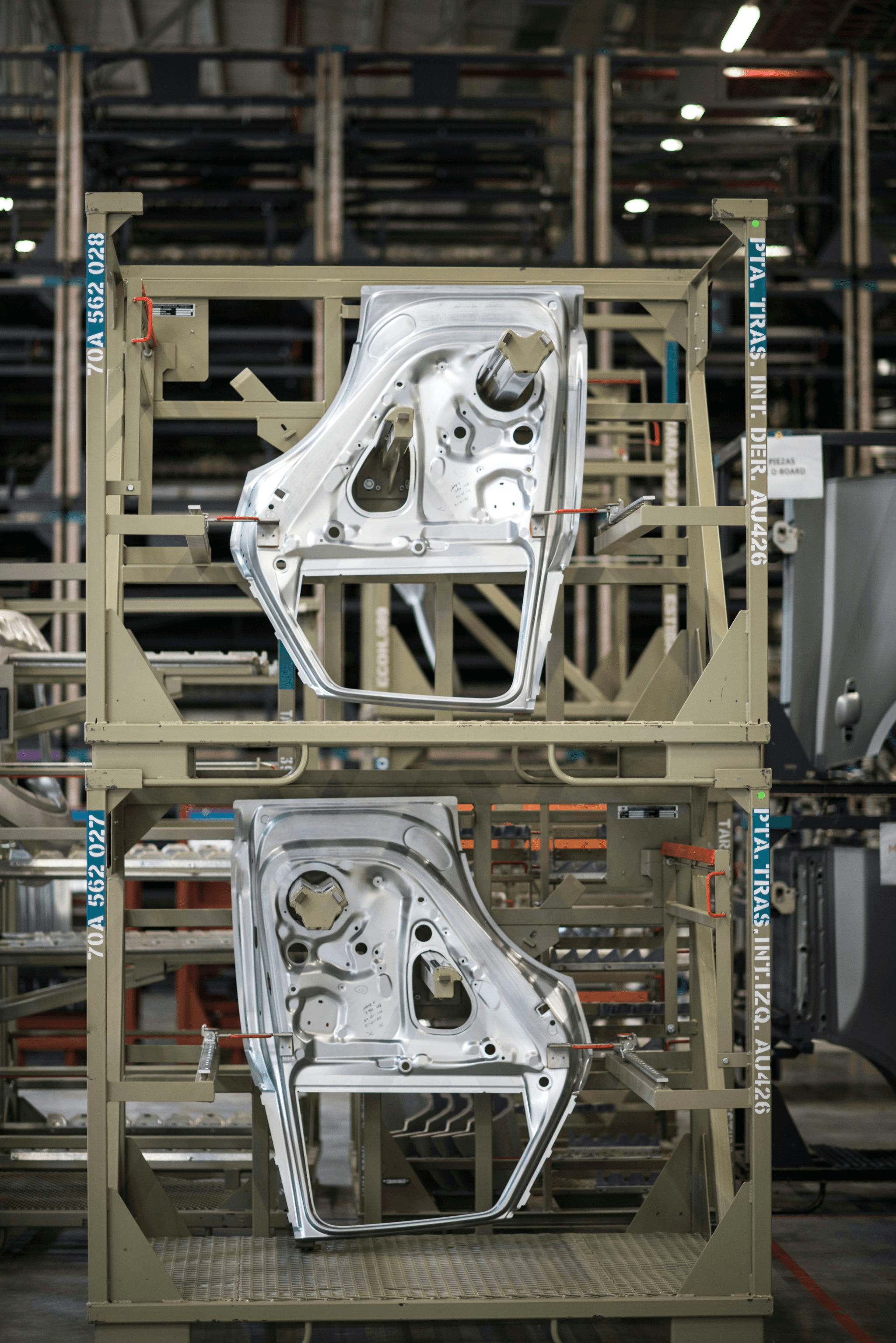
In the automotive industry, procurement plays a critical role in ensuring that manufacturers have the right materials at the right time. The supply chain is intricately connected to procurement processes, influencing everything from cost management to supplier relationships. Understanding this impact is essential for companies like SSOURCING INC., which aim to optimize their procurement strategies.
Global Sourcing Strategies
Global sourcing strategies are vital for procurement in the automotive industry, allowing companies to tap into diverse markets and resources. By leveraging suppliers from different regions, automotive firms can benefit from cost efficiencies and access specialized components that may not be available locally. SSOURCING INC. emphasizes the importance of conducting thorough market research to identify potential suppliers worldwide, ensuring that they align with quality standards and compliance regulations.
Additionally, global sourcing enables automotive companies to mitigate risks associated with localized disruptions—be it natural disasters or political instability—by diversifying their supplier base. This strategic approach not only enhances resilience but also fosters competitive pricing through negotiation leverage across multiple markets. Ultimately, a well-executed global sourcing strategy can significantly improve procurement outcomes for businesses in the automotive sector.
Relationship Management with Suppliers
Effective relationship management with suppliers is another cornerstone of successful procurement in the automotive industry. Building strong partnerships can lead to better communication, improved quality control, and more favorable pricing arrangements over time. At SSOURCING INC., we believe that fostering these relationships goes beyond mere transactions; it involves collaboration and mutual growth.
Regular engagement through meetings and feedback sessions helps create an environment of trust and transparency between manufacturers and suppliers. This collaborative spirit can lead to innovations in product development as both parties work together toward common goals. In an industry where timing is everything, strong supplier relationships ensure that procurement processes run smoothly and efficiently.
Risk Mitigation Techniques
Risk mitigation techniques are essential for safeguarding procurement activities in the automotive industry against unforeseen challenges. With supply chains becoming increasingly complex due to globalization, identifying potential risks—such as supply shortages or quality issues—is crucial for maintaining operational continuity at SSOURCING INC. Proactive risk assessment strategies enable organizations to develop contingency plans tailored specifically for their unique needs.
Implementing dual-sourcing strategies allows businesses to have alternative suppliers ready if one fails or encounters delays—a smart move in today's unpredictable market landscape. Additionally, utilizing technology such as blockchain can enhance transparency within the supply chain by providing real-time tracking of materials from source to delivery point, thereby reducing uncertainty around supplier reliability. By prioritizing risk mitigation techniques within their procurement framework, automotive companies can navigate challenges more effectively while ensuring consistent product availability.
Leveraging Data Analytics for Better Procurement

In the fast-paced world of the automotive industry, leveraging data analytics is becoming a game-changer for procurement strategies. By utilizing data-driven insights, companies like SSOURCING INC. can enhance decision-making processes, streamline operations, and ultimately improve procurement outcomes. This section delves into how predictive analytics, cost analysis, and performance metrics can elevate procurement in the automotive industry.
Predictive Analytics in Supplier Selection
Predictive analytics is revolutionizing supplier selection in the automotive sector by enabling companies to anticipate future trends and behaviors. By analyzing historical data and market conditions, organizations can identify reliable suppliers who are likely to meet their quality and delivery requirements consistently. SSOURCING INC. employs predictive models to assess potential partners based on past performance metrics, ensuring that procurement in the automotive industry aligns with strategic goals.
Moreover, these analytical tools help mitigate risks associated with supplier selection by forecasting potential disruptions or failures in the supply chain. This proactive approach not only saves time but also reduces costs associated with poor supplier choices. Ultimately, integrating predictive analytics into procurement processes allows firms to build stronger relationships with suppliers while maintaining a competitive edge.
Cost Analysis and Forecasting
Effective cost analysis is crucial for successful procurement in the automotive industry as it directly impacts profitability and operational efficiency. By employing advanced analytical techniques, companies like SSOURCING INC. can gain insights into pricing trends and market fluctuations that influence overall costs. This enables organizations to make informed decisions about sourcing materials and negotiating contracts with suppliers.
Forecasting future costs based on current data allows businesses to budget effectively while preparing for unforeseen price changes or economic shifts. With accurate cost predictions at their fingertips, procurement teams can strategically plan purchases to maximize savings without compromising quality or service levels from suppliers. Thus, robust cost analysis serves as a cornerstone of effective procurement strategies within the automotive landscape.
Performance Metrics and KPIs
Establishing clear performance metrics and key performance indicators (KPIs) is essential for evaluating supplier performance within the realm of procurement in the automotive industry. Companies like SSOURCING INC. utilize these metrics to assess factors such as delivery times, product quality, compliance rates, and overall supplier reliability regularly. By quantifying these aspects of supplier relationships, organizations can identify areas needing improvement or adjustment.
Regularly monitoring KPIs not only helps maintain high standards but also fosters transparency between buyers and suppliers—ultimately leading to more collaborative partnerships over time. Furthermore, data-driven insights gleaned from performance evaluations enable continuous improvement initiatives that refine procurement processes further down the line—ensuring sustained success in an ever-evolving industry landscape.
Sustainability in Automotive Procurement

In the automotive industry, sustainability is no longer just a buzzword; it's a necessity that shapes procurement strategies. Companies like SSOURCING INC. are leading the charge in integrating sustainable practices into their procurement processes, ensuring that ethical considerations are at the forefront of their operations. By prioritizing sustainability, businesses can enhance their reputation while also meeting regulatory demands and consumer expectations.
Ethical Sourcing Practices
Ethical sourcing practices are essential for fostering trust and transparency within the automotive supply chain. This involves selecting suppliers who adhere to fair labor standards, respect human rights, and operate with integrity—an approach increasingly demanded by consumers and stakeholders alike. SSOURCING INC. emphasizes building relationships with suppliers who share these values, thereby enhancing its procurement in the automotive industry while promoting social responsibility.
Moreover, ethical sourcing not only benefits communities but also strengthens brand loyalty among customers who prioritize corporate social responsibility. By implementing rigorous supplier assessments and audits, companies can ensure compliance with ethical standards throughout their procurement process. Ultimately, this commitment to ethical sourcing contributes to a more sustainable and responsible automotive industry.
Reducing Environmental Footprint
Reducing environmental footprints is a critical component of sustainable procurement in the automotive sector. This includes evaluating suppliers based on their environmental practices and opting for materials that minimize waste and pollution during production processes. SSOURCING INC.'s proactive approach towards eco-friendly materials not only helps reduce emissions but also aligns with global efforts to combat climate change.
Additionally, adopting circular economy principles can significantly lower resource consumption while maximizing product lifecycle value—an innovative strategy that many forward-thinking companies are embracing today. By focusing on reducing environmental impact through smarter procurement decisions, businesses can achieve both sustainability goals and cost savings simultaneously. The result? A greener automotive industry that appeals to environmentally conscious consumers.
Collaborating with Green Suppliers
Collaboration with green suppliers is crucial for advancing sustainability initiatives within the automotive supply chain. By partnering with environmentally responsible vendors, companies like SSOURCING INC. can leverage innovative technologies that promote cleaner manufacturing processes or utilize sustainable materials effectively in production lines—thereby enhancing overall efficiency in procurement activities related to the automotive industry.
These collaborations often lead to shared knowledge about best practices and new solutions for minimizing waste or energy consumption throughout the supply chain—a win-win situation for all parties involved! Furthermore, establishing long-term partnerships fosters loyalty among suppliers committed to sustainability goals alongside their clients' objectives.
In conclusion, integrating sustainability into procurement strategies is vital for success in today's competitive automotive landscape where consumer preferences are rapidly evolving towards greener alternatives. Companies must recognize that sustainable practices not only contribute positively to society but also provide tangible business benefits by differentiating themselves within an increasingly eco-conscious market.
Future Trends in Automotive Procurement

The automotive industry is on the brink of a transformative shift, especially in procurement practices. As we look ahead, it’s crucial to understand how digitization, the rise of electric vehicles (EVs), and changing consumer demands will shape procurement in the automotive industry. SSOURCING INC. is committed to staying ahead of these trends to optimize our procurement strategies and enhance overall efficiency.
Digitization and Automation
Digitization is revolutionizing procurement in the automotive industry by streamlining processes and enhancing data accessibility. Automated systems can handle repetitive tasks such as order processing and inventory management, allowing procurement teams to focus on strategic decision-making. With tools that leverage artificial intelligence and machine learning, companies like SSOURCING INC. can analyze vast amounts of data quickly, leading to smarter supplier selections and cost reductions.
Moreover, digital platforms enable real-time communication between suppliers and manufacturers, fostering collaboration that was previously cumbersome. This level of connectivity not only enhances transparency but also accelerates response times when issues arise within the supply chain. As digitization continues to evolve, it will become increasingly vital for organizations involved in procurement in the automotive industry to adopt these technologies or risk falling behind their competitors.
The Rise of Electric Vehicles
The surge in electric vehicles presents both opportunities and challenges for procurement in the automotive industry. As automakers pivot towards EV production, they must reassess their sourcing strategies for components such as batteries and electric drivetrains—areas where traditional suppliers may not have expertise or capacity. SSOURCING INC., recognizing this shift, is actively exploring partnerships with innovative suppliers specializing in EV technology.
Furthermore, this transition necessitates a focus on sustainable sourcing practices that align with environmental regulations and consumer expectations for greener products. Procurement teams will need to evaluate new materials that reduce carbon footprints while maintaining quality standards essential for vehicle performance. Embracing these changes will be critical for companies aiming to thrive amid the growing demand for electric vehicles.
Adapting to Changing Consumer Demands
Consumer preferences are evolving rapidly due to technological advancements and increasing awareness of sustainability issues; therefore, adapting procurement strategies accordingly is crucial for success in the automotive sector. Today's consumers are seeking more personalized experiences along with eco-friendly options when making purchasing decisions about vehicles—this trend directly impacts how manufacturers approach their supply chains. For organizations like SSOURCING INC., understanding these demands allows us to refine our sourcing processes effectively.
To meet these expectations, companies must invest time into gathering customer insights that inform product development while ensuring flexibility within their supply chains for rapid adjustments based on market feedback. Additionally, fostering relationships with suppliers who share similar values regarding sustainability can enhance brand reputation among environmentally conscious consumers looking for responsible choices within the automotive landscape. In short, aligning procurement practices with changing consumer demands will be essential for maintaining competitiveness moving forward.
Best Practices for Effective Procurement

In the fast-paced world of the automotive industry, effective procurement practices can mean the difference between success and failure. SSOURCING INC. understands that best practices not only streamline operations but also enhance relationships with suppliers, ultimately leading to better products and satisfied consumers. By focusing on negotiation techniques, building strategic alliances, and continuous improvement strategies, companies can elevate their procurement processes.
Negotiation Techniques
Negotiation in the automotive procurement sector is an art form that requires skill and strategy. It's essential to approach negotiations with a clear understanding of market conditions and supplier capabilities, ensuring both parties find common ground that fosters long-term relationships. SSOURCING INC. emphasizes preparing for negotiations by gathering data on pricing trends and supplier performance; this knowledge equips procurement professionals to make informed decisions that benefit their organization while maintaining strong ties with suppliers.
Moreover, active listening during negotiations can reveal valuable insights about supplier motivations and constraints. By creating an environment of collaboration rather than competition, companies can negotiate terms that are mutually beneficial—leading to improved quality and cost savings in the long run. Ultimately, mastering negotiation techniques is crucial for any organization aiming for success in procurement within the automotive industry.
Building Strategic Alliances
Building strategic alliances is another cornerstone of effective procurement in the automotive industry. Collaborating closely with key suppliers enables organizations like SSOURCING INC. to leverage shared resources, expertise, and innovation—creating a win-win scenario for all parties involved. These alliances foster trust and transparency, allowing for open communication about challenges such as supply chain disruptions or shifts in consumer demand.
Furthermore, strategic partnerships often lead to joint ventures or collaborative projects that drive innovation within product development or manufacturing processes. By aligning goals with suppliers who share similar values regarding sustainability or technology adoption, companies can enhance their competitive edge while promoting responsible practices across the supply chain—an increasingly important factor in today's market landscape.
Continuous Improvement Strategies
Continuous improvement strategies are vital for staying ahead in the competitive realm of automotive procurement. Companies must embrace a culture of learning where feedback loops from performance metrics inform future decisions—ensuring processes remain efficient and effective over time. SSOURCING INC., for example, regularly assesses its procurement methods through data analytics to identify areas needing enhancement.
Implementing methodologies such as Lean or Six Sigma can significantly optimize operational efficiency by eliminating wasteful practices while maximizing value creation throughout the supply chain process. Additionally, fostering an environment where employees feel empowered to suggest improvements leads to innovative solutions that further refine procurement strategies—ultimately enhancing overall business performance within the automotive industry.
Conclusion

In the dynamic landscape of the automotive sector, procurement plays a pivotal role in driving efficiency and innovation. Strategic sourcing is not just a buzzword; it’s a necessity for companies like SSOURCING INC. to navigate complexities and optimize supply chains effectively. By recognizing the importance of procurement in the automotive industry, businesses can ensure they remain competitive and responsive to market changes.
The Importance of Strategic Sourcing
Strategic sourcing is fundamental to achieving long-term success in the procurement in the automotive industry. It involves not only identifying cost-effective suppliers but also fostering relationships that can withstand market fluctuations and disruptions. SSOURCING INC.'s commitment to strategic sourcing ensures that we leverage our supplier networks effectively, enhancing both quality and reliability while reducing costs.
Enhancing Efficiency Through Innovation
Innovation is at the heart of enhancing efficiency within procurement processes in the automotive industry. By integrating advanced technologies such as AI and data analytics, companies can streamline operations, reduce lead times, and improve decision-making capabilities. At SSOURCING INC., we embrace these innovations to refine our procurement strategies, ensuring we stay ahead of industry trends while delivering value to our clients.
Final Thoughts on Procurement in Automotive Industry
As we look towards the future, it’s clear that effective procurement in the automotive industry will continue to evolve alongside technological advancements and changing consumer demands. The adaptability of companies like SSOURCING INC., combined with a focus on sustainable practices, will be crucial for navigating this landscape successfully. Ultimately, embracing strategic sourcing and innovative solutions will empower businesses to thrive amidst challenges while delivering exceptional value.