

Introduction
In the dynamic world of business, procurement plays a pivotal role in ensuring that organizations acquire the necessary goods and services efficiently. The end to end procurement process encompasses everything from identifying needs to managing suppliers and finalizing contracts, making it an essential function for operational success. With the right strategies in place, companies can streamline their procurement efforts, leading to cost savings and improved productivity.
Understanding Procurement in Business
Procurement is more than just a transactional function; it’s a strategic activity that aligns with organizational goals. At its core, the end to end procurement process involves sourcing materials, negotiating terms, and managing supplier relationships to ensure quality and compliance. By grasping the nuances of this process, businesses can make informed decisions that enhance their competitive edge.
Importance of an Efficient Process
An efficient procurement process can significantly impact a company's bottom line by reducing costs and minimizing delays. When organizations optimize their end to end procurement process, they not only save money but also enhance collaboration across departments. This efficiency leads to faster turnaround times and better service delivery—key components in today’s fast-paced market.
SSOURCING INC.'s Role in Procurement
At SSOURCING INC., we understand that navigating the complexities of procurement requires expertise and innovative solutions. Our team is dedicated to helping businesses streamline their end to end procurement process by leveraging advanced technologies and best practices. We empower our clients with tailored strategies that improve supplier selection, purchase order management, and contract compliance—ensuring they stay ahead in a competitive landscape.
Overview of the End to End Procurement Process

The end to end procurement process is a comprehensive journey that organizations undertake to acquire goods and services. This process doesn't just involve purchasing; it encompasses everything from identifying needs to supplier selection, contract management, and ongoing performance evaluation. Understanding each stage of this journey is crucial for businesses aiming to enhance efficiency and reduce costs.
Key Stages Defined
The end to end procurement process can be broken down into several key stages: planning, sourcing, purchasing, receiving, and payment. Initially, businesses must assess their needs and create a procurement plan that aligns with their strategic goals. Once the planning phase is complete, organizations move on to sourcing potential suppliers who can meet their requirements effectively.
After selecting suppliers, the next step in the end to end procurement process involves issuing purchase orders and managing those orders until delivery is confirmed. Upon receiving the goods or services, companies conduct quality checks before processing payments as per contractual agreements. Each stage plays a vital role in ensuring that procurement aligns with overall business objectives while minimizing risks.
Common Challenges Encountered
Navigating the end to end procurement process isn't without its hurdles; businesses often face common challenges such as supplier reliability issues and communication breakdowns. For instance, delays in delivery or discrepancies in order fulfillment can disrupt operations significantly. Additionally, managing multiple suppliers can lead to complexities that hinder effective decision-making.
Another challenge lies in ensuring compliance with regulations and internal policies throughout the procurement lifecycle. Organizations must maintain accurate records while adapting to changing market conditions and technology trends—an endeavor that can be both time-consuming and resource-intensive. These challenges highlight the importance of having a robust strategy in place for managing the entire end to end procurement process.
Benefits of Streamlining Procurement
Streamlining the end to end procurement process offers numerous benefits that can transform how businesses operate. By optimizing each stage—from sourcing suppliers efficiently to automating purchase order management—companies can achieve significant cost savings while improving service quality. Moreover, an efficient procurement process enhances collaboration between departments by providing clear visibility into spending patterns.
With streamlined processes in place, organizations like SSOURCING INC. are better positioned to respond quickly to market demands while maintaining strong relationships with suppliers. The ability to leverage data analytics helps businesses make informed decisions based on performance metrics rather than gut feelings alone—leading directly toward improved outcomes across all areas of operation. Ultimately, investing time into refining your approach will yield substantial returns as you navigate today's dynamic business landscape.
Supplier Selection in Procurement

Selecting the right suppliers is a critical component of the end to end procurement process. The success of your procurement strategy hinges on establishing strong relationships with suppliers who can deliver quality goods and services consistently. SSOURCING INC. understands that finding the right suppliers involves thorough research, market analysis, and sometimes a bit of intuition.
Finding the Right Suppliers
The journey to identify suitable suppliers begins with understanding your organization's specific needs and requirements within the end to end procurement process. It’s essential to create a comprehensive list of criteria that potential suppliers must meet, such as quality standards, price points, reliability, and service capabilities. SSOURCING INC. recommends leveraging industry networks and databases to discover potential candidates who align with your business objectives.
Once you've compiled a list, it’s time for due diligence—this means checking references, reading reviews, and possibly even visiting supplier facilities if feasible. Engaging in conversations with other businesses in your sector can also provide insights into which suppliers are worth considering or avoiding. Remember that this initial phase is crucial; selecting the wrong supplier can lead to disruptions down the line in your end to end procurement process.
Evaluating Supplier Performance
After identifying potential suppliers, evaluating their performance becomes paramount in ensuring they meet your expectations throughout the end to end procurement process. This evaluation should focus on key performance indicators (KPIs) such as delivery times, product quality, customer service responsiveness, and overall reliability. SSOURCING INC. suggests implementing a scorecard system that allows you to quantify these metrics for easier comparison between different suppliers.
Regular performance reviews not only help maintain high standards but also foster healthy competition among suppliers—encouraging them to improve their offerings continually. Moreover, establishing clear communication channels ensures that any issues can be addressed swiftly before they escalate into larger problems impacting your procurement efficiency. Ultimately, diligent evaluation enhances supplier relationships while contributing positively to the overall success of your end-to-end procurement process.
The Role of Technology in Selection
In today’s digital age, technology plays an integral role in optimizing supplier selection within the end-to-end procurement process. Advanced software solutions can streamline data collection and analysis from various sources—allowing you to make informed decisions based on real-time information rather than gut feelings alone. SSOURCING INC.'s technology-driven approach enables organizations to utilize tools like e-sourcing platforms and supplier management systems effectively.
These technologies not only simplify finding potential suppliers but also enhance collaboration through shared platforms where stakeholders can access vital information easily. Furthermore, automation tools allow for quicker evaluations by processing vast amounts of data efficiently—ensuring you don’t miss out on top-notch candidates simply because manual processes were too slow or cumbersome during decision-making phases of your end-to-end procurement process.
In conclusion, navigating supplier selection requires a blend of strategic planning and technological assistance for optimal results within an organization's procurement framework.
Purchase Order Management

Effective purchase order management is a cornerstone of the end to end procurement process, ensuring that purchases are executed smoothly and efficiently. It involves careful coordination between various departments and suppliers to meet organizational needs while maintaining cost-effectiveness. By adhering to best practices, businesses can significantly enhance their procurement operations.
Best Practices for Order Execution
To optimize the order execution phase of the end to end procurement process, it’s essential to establish clear communication channels among all stakeholders involved. This includes ensuring that everyone understands their roles, timelines, and expectations related to each purchase order. Additionally, implementing standardized procedures helps reduce errors and discrepancies, leading to a seamless flow from order placement to delivery.
Another best practice is maintaining accurate records of all orders placed, which facilitates easy tracking and accountability throughout the procurement cycle. SSOURCING INC. emphasizes the importance of documenting every detail—from vendor information to delivery dates—making it easier for teams to refer back when needed. By fostering transparency in your processes, you not only improve efficiency but also build stronger relationships with suppliers.
Lastly, regular training sessions for staff involved in purchase order management can be invaluable. Keeping everyone updated on new practices and technologies ensures that your team remains agile in adapting to changes within the end to end procurement process. This proactive approach can lead directly to improved execution outcomes.
Leveraging Automation for Efficiency
Automation has revolutionized the way organizations handle their purchase orders within the end to end procurement process. By utilizing automated systems for generating purchase orders, businesses can save time while minimizing human error—a win-win situation! SSOURCING INC.'s solutions offer advanced automation tools that streamline this aspect of procurement management.
One of the key benefits of automation is its ability to facilitate real-time updates on inventory levels and supplier availability. This enables teams to make informed decisions quickly without being bogged down by manual processes or outdated information. Moreover, automated alerts can notify relevant personnel about critical developments or delays in order fulfillment.
Integrating these automated systems with existing software tools further enhances efficiency by creating a cohesive digital environment where data flows freely across departments. As a result, organizations experience smoother operations and quicker turnaround times throughout the entire end to end procurement process—allowing them more time for strategic initiatives rather than administrative tasks.
Tracking and Monitoring Purchases
Tracking and monitoring purchases effectively are vital components of a successful purchase order management strategy within the broader context of an end-to-end procurement process. By implementing robust tracking mechanisms—such as dashboards or software solutions—businesses gain valuable insights into their purchasing activities in real-time. This visibility allows teams at SSOURCING INC., or any organization aiming for excellence in procurement management, to identify trends or issues swiftly.
Regularly reviewing purchasing data empowers decision-makers with actionable insights that can inform future strategies and supplier relationships alike. For instance, analyzing historical spending patterns may reveal opportunities for bulk purchasing discounts or highlight underperforming suppliers needing reevaluation within your supply chain ecosystem.
Additionally, establishing key performance indicators (KPIs) related specifically to purchase orders helps organizations monitor efficiency over time consistently; metrics like average lead times or order accuracy rates provide tangible benchmarks against which progress can be measured within your organization's overall goals in managing its end-to-end procurement process effectively.
Contract Management Essentials

In the realm of procurement, contract management is a pivotal element that ensures all parties are aligned and protected throughout the end to end procurement process. A well-structured contract serves as a roadmap for both buyers and suppliers, outlining expectations, deliverables, and responsibilities. Without clear agreements, misunderstandings can arise, leading to delays or disputes that can derail even the best-planned procurement strategies.
Importance of Clear Agreements
Clear agreements are essential in establishing a solid foundation for any business relationship within the end to end procurement process. They delineate terms such as pricing, delivery schedules, quality standards, and payment conditions—essentially setting the stage for success. When both parties have a mutual understanding of their obligations and rights, it not only fosters trust but also minimizes potential conflicts down the line.
Moreover, clear agreements help organizations like SSOURCING INC. mitigate risks associated with vague terms or ambiguous language that can lead to costly legal battles. By ensuring contracts are precise and comprehensive, companies can safeguard their interests while enhancing supplier relationships. In this way, effective contract management becomes an integral part of streamlining the end to end procurement process.
Techniques for Effective Negotiation
Negotiation is an art form that requires strategy and finesse—especially in the context of contract management within the end to end procurement process. One effective technique is to prepare thoroughly by understanding not just your own needs but also those of your suppliers; this allows you to find common ground where both parties feel valued. Additionally, employing active listening during negotiations can help uncover underlying concerns or motivations that might influence outcomes.
Another powerful strategy involves establishing a win-win mindset; when both sides leave feeling satisfied with the agreement reached, it sets a positive tone for future interactions within the procurement cycle. SSOURCING INC., for instance, often leverages collaborative negotiation tactics to build long-lasting partnerships with suppliers while securing favorable terms that benefit all involved parties. Ultimately, mastering these techniques can significantly enhance your organization's ability to navigate complex negotiations seamlessly as part of an efficient end to end procurement process.
Managing Compliance and Risks
Managing compliance and risks is crucial in ensuring that contractual obligations are met throughout the duration of any agreement formed during the end to end procurement process. Organizations must remain vigilant about adhering to regulatory requirements while also monitoring supplier performance against established benchmarks outlined in contracts. This proactive approach helps identify potential issues before they escalate into major problems.
SSOURCING INC., understands that implementing robust compliance frameworks not only protects against legal repercussions but also enhances overall operational efficiency by fostering accountability among suppliers and stakeholders alike. Additionally, utilizing technology tools like automated compliance tracking systems can streamline oversight efforts—allowing teams more time for strategic decision-making rather than getting bogged down in administrative tasks related to contract management processes within procurement activities.
By prioritizing compliance management alongside effective risk assessment strategies as part of your overall approach within the end-to-end procurement process framework you’ll ensure smoother operations while safeguarding organizational interests at every turn.
Procurement Analytics and Insights
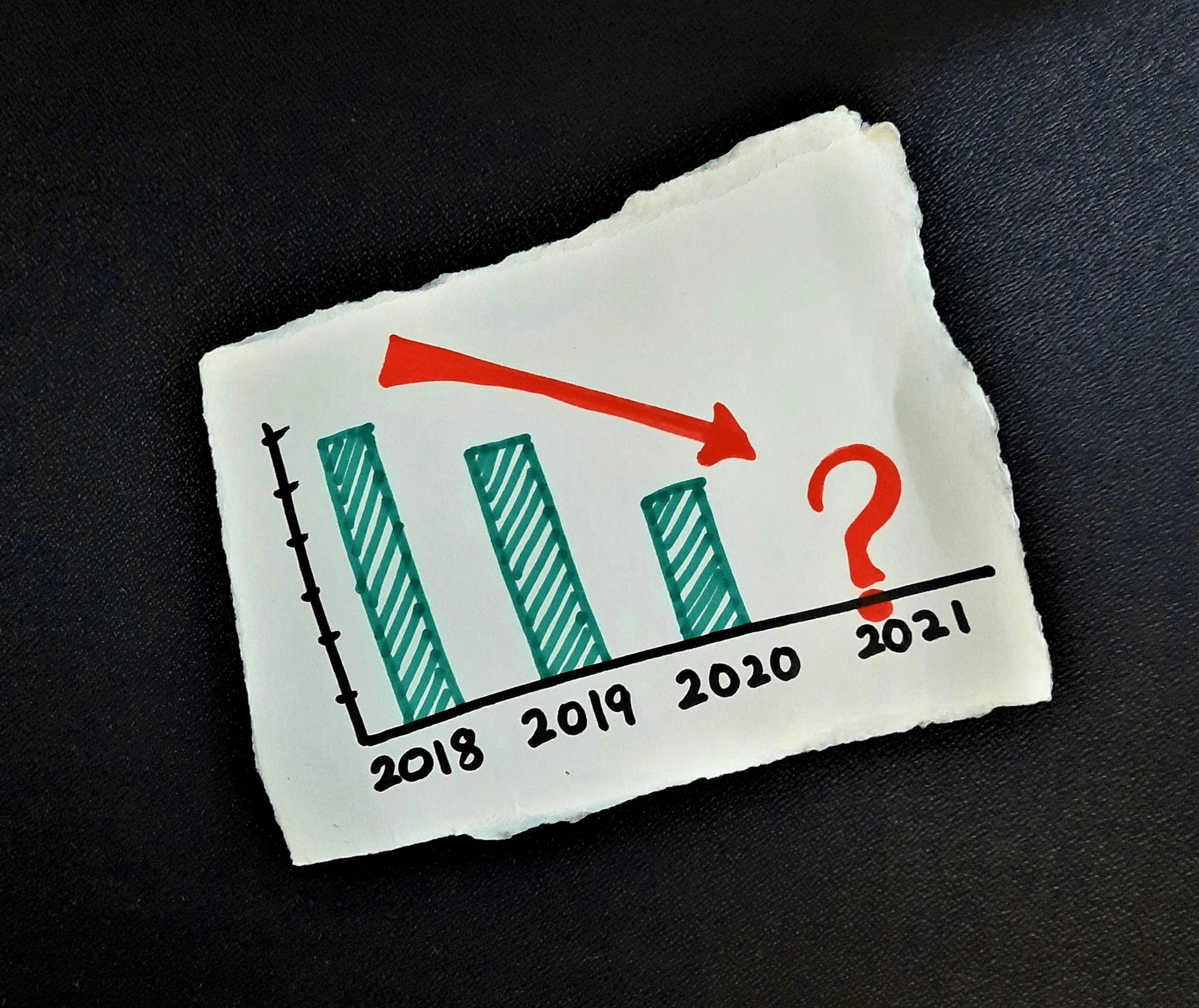
In today's fast-paced business environment, leveraging analytics in the end to end procurement process is essential for making informed decisions. By utilizing data effectively, organizations can identify trends, forecast needs, and optimize their procurement strategies. SSOURCING INC. emphasizes the importance of data-driven decision-making to enhance overall efficiency and drive value.
Utilizing Data for Better Decisions
Data is the backbone of any successful end to end procurement process. By analyzing purchasing patterns and supplier performance metrics, businesses can make strategic decisions that align with their goals. SSOURCING INC. helps organizations harness this data to minimize waste and reduce costs while maximizing quality.
Moreover, predictive analytics can play a pivotal role in anticipating market shifts or supplier disruptions, allowing companies to proactively adjust their procurement strategies. This foresight not only enhances operational efficiency but also fosters stronger relationships with suppliers by demonstrating a commitment to collaboration and transparency throughout the end to end procurement process.
Tools to Enhance Procurement Visibility
Visibility is critical in the complex landscape of the end to end procurement process; without it, inefficiencies can easily go unnoticed. Utilizing advanced tools such as dashboards and reporting software provides stakeholders with real-time insights into spending patterns and supplier performance metrics. SSOURCING INC.'s suite of tools offers enhanced visibility that empowers teams to make timely decisions based on accurate information.
Additionally, integrating cloud-based solutions allows for seamless communication among all parties involved in the procurement cycle, facilitating better collaboration and alignment on objectives. With improved visibility across all stages of the end to end procurement process, organizations can swiftly address issues before they escalate into larger problems.
Measuring Procurement Performance
Measuring performance is vital for continuous improvement within any organization’s procurement function; it ensures that goals are met efficiently throughout the end to end procurement process. Key performance indicators (KPIs) such as cost savings, order accuracy rates, and supplier lead times provide insights into how well your processes are functioning. SSOURCING INC.'s approach includes establishing relevant KPIs tailored specifically for your business needs.
Regularly reviewing these metrics not only highlights areas needing attention but also celebrates successes that motivate teams toward further achievements in procurement excellence. By focusing on measurable outcomes within the context of an effective end to end procurement process, organizations can foster a culture of accountability and innovation among their employees.
Conclusion

As we wrap up our exploration of the end to end procurement process, it’s clear that the landscape is evolving rapidly. The integration of technology, data analytics, and strategic supplier relationships are no longer just trends; they’re essential components for businesses aiming to thrive. To stay ahead, organizations must embrace these changes and continuously refine their strategies.
Trends Shaping the Future of Procurement
The future of procurement is being shaped by several key trends that every business should keep an eye on. One significant trend is the increasing reliance on automation within the end to end procurement process, which enhances efficiency and reduces human error. Additionally, sustainability is becoming a priority; companies are now seeking suppliers who align with eco-friendly practices as part of their procurement strategy.
Another trend is the growing importance of data analytics in decision-making processes. Organizations that leverage analytics can gain valuable insights into supplier performance and market conditions, allowing them to optimize their end to end procurement process effectively. Lastly, collaboration tools are evolving, enabling seamless communication between stakeholders and suppliers—essential for maintaining strong partnerships.
Strategies for Continuous Improvement
To ensure long-term success in your end to end procurement process, continuous improvement should be at the forefront of your strategy. Regularly reviewing and updating your processes can help identify inefficiencies or areas needing enhancement—leading to cost savings and improved supplier relationships. Implementing feedback loops from team members involved in procurement can also provide actionable insights into improving workflows.
Training staff on new technologies and methods is another effective strategy for continuous improvement in procurement practices. By investing in employee development, businesses can ensure their teams are equipped with the latest skills necessary for navigating an increasingly complex landscape. Furthermore, setting measurable goals related to performance metrics will allow organizations to track progress effectively over time.
How SSOURCING INC. Can Help You Excel
At SSOURCING INC., we understand that mastering the end to end procurement process requires not just knowledge but also practical tools tailored for your unique needs. Our expertise lies in helping businesses streamline their operations by integrating advanced technology solutions designed specifically for efficient procurement management. From supplier selection through contract management and analytics, we provide comprehensive support every step of the way.
By partnering with SSOURCING INC., you’ll gain access to innovative strategies that enhance visibility throughout your entire supply chain while ensuring compliance and risk management best practices are upheld consistently. Our commitment is not only to help you navigate current challenges but also prepare you for future trends shaping this dynamic field—ensuring you remain competitive now and in years to come.