

Introduction
In today's interconnected world, understanding the dynamics of global resources, especially those tied to China, is crucial for grasping economic trends and geopolitical shifts. China's vast resource endowment not only shapes its own economy but also has significant ripple effects across various sectors worldwide. As we delve into this topic, it becomes evident that the implications of China's resource management are far-reaching and impact everyone, from multinational corporations to individual consumers.
Understanding China's Global Resource Influence
China's influence on global resources is profound and multifaceted, spanning a wide array of minerals and commodities essential for modern industries. With its strategic investments in resource-rich countries, China has positioned itself as a dominant player in the global supply chain. This influence extends beyond mere extraction; it encompasses trade relationships and partnerships that shape economic landscapes worldwide.
The Economic Ripple Effects of Chinese Resources
The economic ripple effects of Chinese resources can be felt across continents, affecting everything from commodity prices to international trade balances. As China continues to grow its resource base, countries reliant on imports face both opportunities and challenges in adapting to these shifts. Companies like SSOURCING INC. must navigate this evolving landscape carefully, as fluctuations in resource availability can have direct consequences on supply chains and production costs.
Why Global Resources Matter to Everyone
Global resources matter not just for their immediate economic benefits but also for their broader implications on sustainability and environmental stewardship. As nations grapple with the finite nature of these resources, understanding their distribution becomes vital for future planning and cooperation among countries. By examining China's role in the global resource arena, we can better appreciate how interconnected our economies truly are—and why collaboration is key to fostering a sustainable future.
The Power of China's Natural Resources
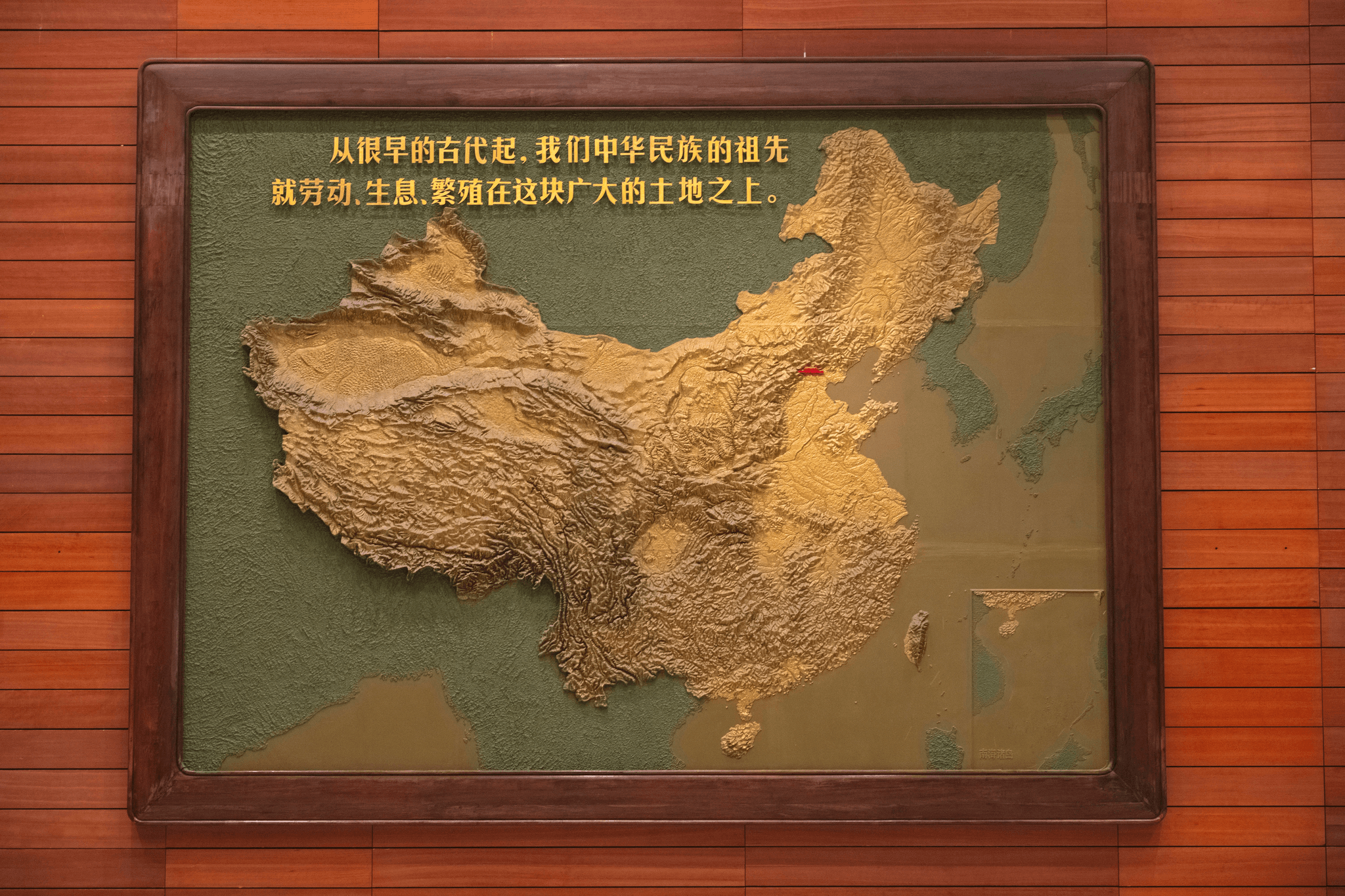
China’s vast array of natural resources has positioned it as a critical player in the global economy, influencing everything from technology to international relations. With an abundance of minerals and energy resources, China not only fuels its own rapid growth but also exerts significant influence over global supply chains. Understanding the power dynamics at play with global resources in China is essential for grasping how they shape economic landscapes worldwide.
Key Minerals and Their Significance
China is home to some of the world's most valuable minerals, including lithium, cobalt, iron ore, and copper. These key minerals are vital for various industries such as electronics, automotive manufacturing, and renewable energy technologies. As demand for these resources continues to rise globally, China's control over them enhances its leverage in international markets and trade negotiations.
The significance of these minerals goes beyond mere economic value; they are foundational to innovations like electric vehicles and advanced computing systems that define modern life. This reality makes it increasingly important for countries reliant on these materials to establish strong relationships with China or seek alternative sources through initiatives like those promoted by SSOURCING INC. Ultimately, securing access to these key minerals will be crucial for nations aiming to remain competitive in a rapidly evolving global economy.
China's Role in Global Supply Chains
China serves as the linchpin of global supply chains due to its extensive production capabilities and resource availability. Many industries depend on Chinese raw materials and finished products; consequently, disruptions within China can send shockwaves throughout the world’s economies. From electronics assembly lines to automotive parts manufacturing, understanding how global resources from China flow through these networks is paramount.
Moreover, China's strategic investments in infrastructure both domestically and abroad enhance its role further by facilitating smoother logistics and transportation routes. Companies like SSOURCING INC., which engage with Chinese suppliers or participate in joint ventures, benefit from this robust network that ensures timely delivery of essential components worldwide. As such, any shifts in China's resource policies can have far-reaching implications for businesses operating across borders.
Case Study: Rare Earth Elements
One notable example highlighting China's dominance is its control over rare earth elements (REEs), which are crucial for many high-tech applications including smartphones, wind turbines, and military technologies. Despite their name suggesting scarcity, REEs are relatively abundant; however, processing them requires significant expertise—a domain where China excels due to years of investment and development in this sector.
In fact, approximately 80% of the world's rare earth production occurs within China’s borders—a striking statistic that underscores the nation’s pivotal position when discussing global resources related to REEs. Companies like SSOURCING INC., keen on leveraging these materials responsibly while navigating geopolitical tensions surrounding their extraction and trade practices must remain vigilant about shifts within this landscape. As nations strive for technological independence from China regarding rare earths—often driven by national security concerns—the future dynamics around these critical resources will be fascinatingly complex.
Trade Relationships Shaping the Economy

In the intricate web of global trade, China stands as a pivotal player, influencing economies far and wide. Its trade relationships are not just transactional; they shape the dynamics of global resources and drive economic growth across continents. Understanding these connections is crucial for grasping how global resources from China impact both developed and emerging markets.
China and Its Major Trade Partners
China's major trade partners include the United States, the European Union, Japan, and numerous countries in Southeast Asia. These relationships are fueled by China's vast supply of goods and raw materials, making it a linchpin in global resource distribution. For instance, China's exports of electronics and machinery significantly affect production lines worldwide, showcasing how intertwined our economies have become through these vital trade ties.
Moreover, countries like Australia and Brazil provide essential commodities such as iron ore and soybeans to China, further solidifying their economic interdependence. This symbiotic relationship illustrates that when we talk about global resources from China, we are also discussing a network that supports countless industries around the globe. SSOURCING INC., recognizing these dynamics, seeks to navigate this complex landscape effectively to maximize opportunities for collaboration.
The Belt and Road Initiative Explained
The Belt and Road Initiative (BRI) is China's ambitious plan to enhance regional connectivity through infrastructure development across Asia, Europe, and beyond. By investing in roads, railways, ports, and energy projects in participating countries, China aims to bolster its influence while securing access to critical global resources. This initiative not only opens new markets for Chinese goods but also positions China as a central hub for international trade.
Through BRI projects, nations can improve their infrastructure while integrating more closely with China's economy—an attractive proposition for many developing countries seeking investment in their own resource sectors. However, critics argue that this dependence on Chinese financing could lead to debt traps or loss of sovereignty over local resources—a complex issue that requires careful navigation by all parties involved.
SSOURCING INC.'s keen interest in understanding the implications of BRI allows us to identify opportunities where cooperation can flourish while ensuring sustainable practices in resource management are upheld.
Impact on Emerging Markets
Emerging markets find themselves at a crossroads due to their growing ties with China through trade agreements facilitated by initiatives like the BRI. These partnerships often provide much-needed investment in infrastructure but can also lead to challenges such as over-reliance on Chinese imports or vulnerability during economic downturns. As these nations integrate into China's expansive network of global resources—be it minerals or agricultural products—they must strategize carefully about balancing growth with sustainability.
Furthermore, access to Chinese markets often leads emerging economies toward rapid industrialization; however, this can come at an environmental cost if not managed properly. The potential for job creation is significant but should be weighed against ecological impacts—a dilemma facing many nations today seeking prosperity through engagement with China’s vast resource pool.
At SSOURCING INC., we believe that fostering responsible partnerships with emerging markets is essential for long-term success within this framework of global resources from China.
Environmental Considerations in Resource Extraction

China's rapid industrialization and its quest for global resources have led to significant environmental challenges. The extraction of natural resources often comes at the cost of ecological degradation, including deforestation, water pollution, and loss of biodiversity. As a key player in the global market, China's environmental policies are under scrutiny, highlighting the need for sustainable practices that can balance economic growth with ecological preservation.
Sustainability Challenges in China
Sustainability challenges in China are multifaceted and deeply intertwined with its pursuit of global resources. For instance, the mining of minerals such as coal and rare earth elements has resulted in severe air and water pollution, impacting public health and local ecosystems. Moreover, rapid urbanization fueled by resource extraction has led to overexploitation of land and depletion of natural habitats, raising alarms about long-term sustainability.
Global Responses to Resource Management
In response to these sustainability challenges, various global initiatives have emerged aimed at promoting responsible resource management. Countries around the world are advocating for stricter regulations on resource extraction practices to mitigate environmental damage while ensuring that economic benefits reach local communities. Organizations like SSOURCING INC. emphasize collaboration between nations to develop sustainable frameworks that prioritize both ecological integrity and economic viability when dealing with global resources from China.
The Role of Multinational Corporations
Multinational corporations play a pivotal role in shaping resource extraction practices across the globe, especially concerning China's vast reserves. These companies often face pressure from consumers and governments alike to adopt more environmentally friendly methods when sourcing materials from China’s rich deposits. By investing in cleaner technologies and sustainable practices, corporations can not only enhance their brand reputation but also contribute positively towards mitigating the adverse effects associated with extracting global resources from China.
Technological Advancements and Resource Utilization

In the ever-evolving landscape of global resources, China stands at the forefront of technological advancements in resource extraction and utilization. As countries strive to meet growing demands, innovations are crucial for maximizing efficiency and minimizing environmental impact. SSOURCING INC. recognizes that these advancements not only enhance productivity but also reshape how nations engage with their natural resources.
Innovations in Resource Extraction
China has been a pioneer in developing innovative techniques for resource extraction, making significant strides in both traditional mining methods and cutting-edge technologies. For example, the use of automated machinery and drones has revolutionized the efficiency of mineral extraction processes, allowing for faster operations while reducing labor costs. Furthermore, advanced data analytics and AI-driven systems enable more precise exploration and management of global resources in China, ensuring that valuable materials are sourced sustainably.
These innovations not only bolster China's position as a leader in global resource management but also present opportunities for collaboration with other nations looking to enhance their own extraction practices. By sharing knowledge and technology, countries can work together to optimize resource utilization while addressing pressing sustainability challenges. SSOURCING INC., through its partnerships, aims to facilitate such collaborations that benefit all parties involved.
China’s Leadership in Renewable Energy
As the world shifts towards sustainable energy solutions, China has emerged as a leader in renewable energy technologies that harness global resources effectively. The country is home to some of the largest solar farms and wind energy projects globally, showcasing its commitment to reducing reliance on fossil fuels while maximizing clean energy production. This leadership not only positions China favorably on the international stage but also sets a precedent for other nations striving for greener alternatives.
Moreover, China's investment in research and development has led to breakthroughs in battery technology and energy storage systems, crucial components for transitioning to renewable sources effectively. The synergy between technological advancement and resource utilization is evident as China continues to innovate ways to harness its abundant natural resources sustainably. At SSOURCING INC., we believe that embracing these developments can create pathways toward a more sustainable future globally.
The Future of Resource Efficiency
Looking ahead, the future of resource efficiency will hinge on continued innovation within China's approach to managing its vast array of global resources. With increasing pressures from climate change and population growth, there is an urgent need for smarter consumption patterns that prioritize sustainability without compromising economic growth. By investing heavily in circular economy principles—where waste is minimized through recycling and reusing materials—China sets an example that could inspire other nations.
Furthermore, emerging technologies like blockchain could revolutionize how resources are tracked throughout supply chains, enhancing transparency while ensuring ethical sourcing practices are upheld across borders. As countries navigate complex interdependencies related to global resources in China, it becomes essential for all stakeholders—including corporations like SSOURCING INC.—to adapt strategies that align with evolving market demands while prioritizing environmental stewardship.
Geopolitical Implications of Resource Control

The geopolitical landscape surrounding global resources China has become increasingly complex as the nation asserts its influence in resource acquisition and management. With a strategic focus on securing essential minerals and energy supplies, China is reshaping international trade dynamics and relationships. This section explores China's strategies, the conflicts that arise from resource competition, and the role of SSOURCING INC. in navigating these challenges.
China's Strategies in Resource Acquisition
China's approach to acquiring global resources is multifaceted, leveraging both economic power and diplomatic relationships to secure essential commodities. Through investments in mining operations abroad, partnerships with resource-rich nations, and the implementation of policies that encourage domestic production, China aims to minimize dependency on external sources. By establishing strong ties with countries rich in natural resources, particularly in Africa and Latin America, China ensures a steady supply chain for its industries while enhancing its geopolitical clout.
Moreover, China's Belt and Road Initiative serves as a pivotal strategy for acquiring resources by fostering infrastructure development across participating countries. This initiative not only opens up new markets but also facilitates access to vital raw materials necessary for China's manufacturing sector. As global demand for technology-driven products rises, China's proactive measures to secure these resources underscore its commitment to maintaining a competitive edge.
Navigating International Conflicts over Resources
As China intensifies its quest for global resources, tensions inevitably arise with other nations vying for similar assets. Disputes over territorial claims in resource-rich regions can lead to diplomatic standoffs or even military confrontations if not managed carefully. For instance, conflicts in the South China Sea highlight how competition over oil reserves can escalate into broader geopolitical disputes involving multiple stakeholders.
To navigate these turbulent waters effectively, China employs a combination of diplomacy and strategic alliances while engaging international organizations to mitigate potential conflicts over resources. By fostering dialogue among nations with competing interests and promoting collaborative resource management practices, it seeks to defuse tensions before they escalate into crises. The role of SSOURCING INC., as a mediator between Chinese interests and global partners, becomes crucial in facilitating sustainable agreements that benefit all parties involved.
The Role of SSOURCING INC. in Resource Management
SSOURCING INC., with its expertise in navigating complex supply chains and international trade dynamics related to global resources China, plays an essential role in ensuring efficient resource management practices are upheld across borders. By acting as an intermediary between Chinese companies seeking resources and nations rich in commodities, SSOURCING INC. fosters partnerships that prioritize sustainability while addressing geopolitical concerns.
Furthermore, SSOURCING INC.'s commitment to ethical sourcing aligns with growing global demands for transparency within supply chains involving critical minerals such as rare earth elements—an area where China holds significant sway due to its abundant reserves. As governments worldwide seek reliable partners who adhere to responsible sourcing practices amid increasing scrutiny on environmental impacts associated with extraction processes, SSOURCING INC.'s influence will only grow stronger.
In conclusion, understanding the geopolitical implications surrounding global resources China requires careful consideration of various factors influencing acquisition strategies while recognizing potential conflicts along the way—an area where companies like SSOURCING INC., equipped with industry knowledge and negotiation skills can make all the difference.
Conclusion
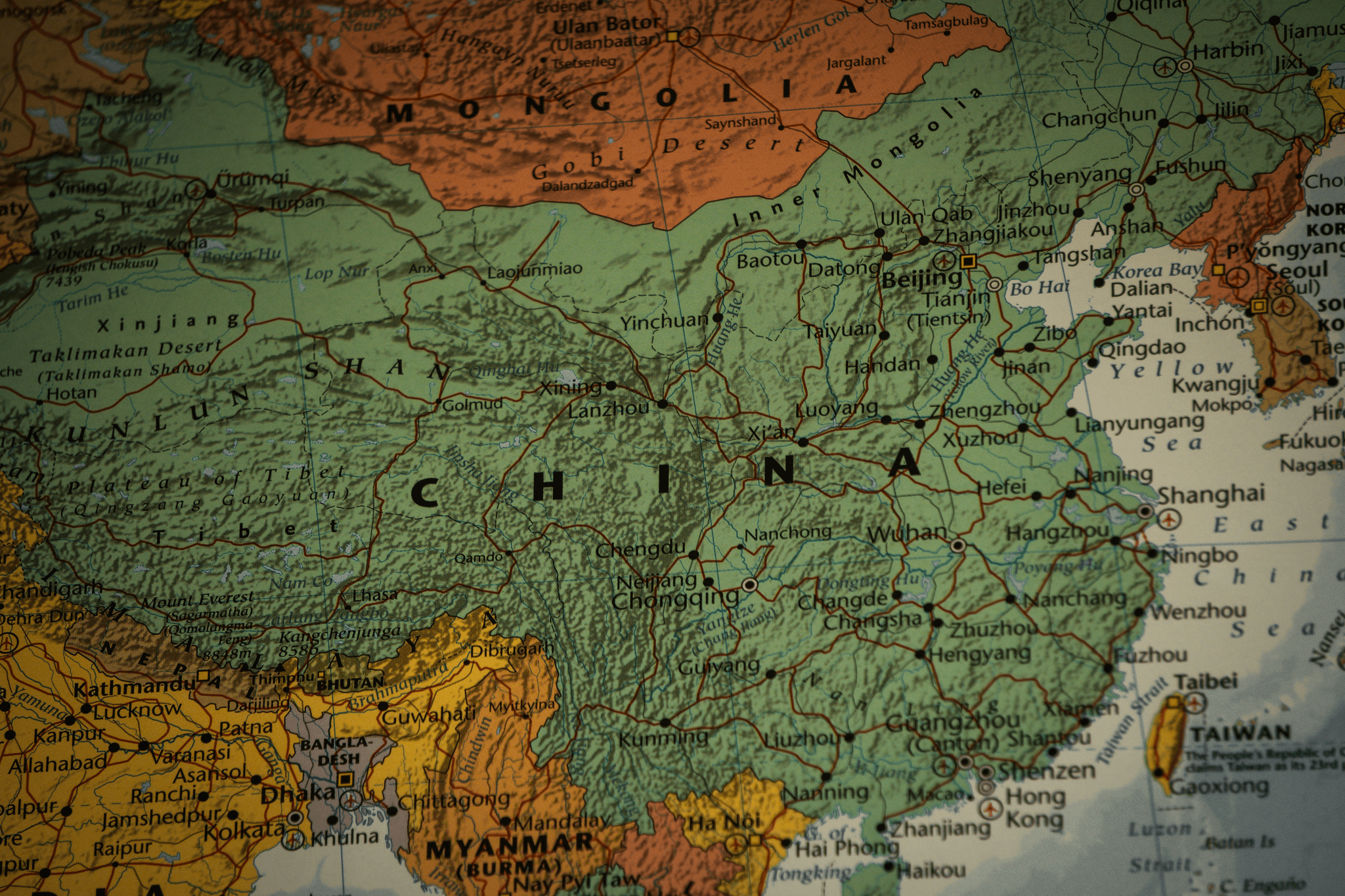
As we draw our exploration of global resources in China to a close, it’s clear that the implications of China's resource management extend far beyond its borders. The future of these global resources is intricately tied to both economic growth and geopolitical stability. With the world increasingly reliant on China's vast reserves and production capabilities, understanding this dynamic is essential for navigating the complexities of international trade.
The Future of Global Resources China
Looking ahead, China's role in global resources will likely evolve as new technologies emerge and environmental considerations take center stage. As SSOURCING INC. continues to monitor these developments, it becomes evident that sustainable practices will be paramount in ensuring long-term access to critical materials. This shift not only influences how resources are extracted but also how they are utilized across various industries worldwide.
Adapting to Changes in the Global Economy
The global economy is in a constant state of flux, driven by innovation and shifting consumer demands, making adaptability crucial for all players involved. Companies like SSOURCING INC. must remain agile, ready to pivot strategies as trade relationships evolve and new markets emerge from China's influence on global resources. By fostering resilience and flexibility within supply chains, businesses can better navigate potential disruptions while capitalizing on opportunities presented by changing economic landscapes.
Opportunities for Cooperation in Resource Use
In an increasingly interconnected world, collaboration among nations regarding resource management presents unique opportunities for mutual benefit. Countries can leverage their strengths by forming strategic partnerships that promote sustainable practices while ensuring equitable access to essential materials from China’s vast reserves. By prioritizing cooperation over competition, stakeholders can work together towards a future where global resources are managed responsibly—ultimately benefiting economies around the globe.