

Introduction
In today's fast-paced business environment, modern material procurement is not just a necessity but a strategic advantage. Companies that embrace innovative approaches to sourcing materials can enhance efficiency, reduce costs, and respond more swiftly to market demands. As the landscape of procurement evolves, understanding its importance becomes crucial for businesses looking to thrive.
The Importance of Modern Material Procurement
Modern material procurement is essential for maintaining competitive edge and operational efficiency in any industry. It ensures that organizations have the right materials at the right time, enabling seamless production processes and timely delivery of products. With the rise of globalization and technological advancements, effective material procurement strategies are vital for success.
Challenges in Traditional Procurement Methods
Despite its importance, traditional procurement methods often come with significant challenges that can hinder progress. Lengthy approval processes, lack of transparency, and reliance on outdated systems can lead to inefficiencies and increased costs. These obstacles underscore the need for businesses like SSOURCING INC. to rethink their approaches to material procurement.
Exploring Innovative Solutions
To overcome these challenges, companies must explore innovative solutions that leverage technology and collaborative strategies in material procurement. From artificial intelligence to sustainable sourcing practices, there are numerous ways to enhance efficiency and effectiveness in this field. Embracing these innovations not only streamlines operations but also positions businesses for future growth.
Leveraging Technology in Material Procurement
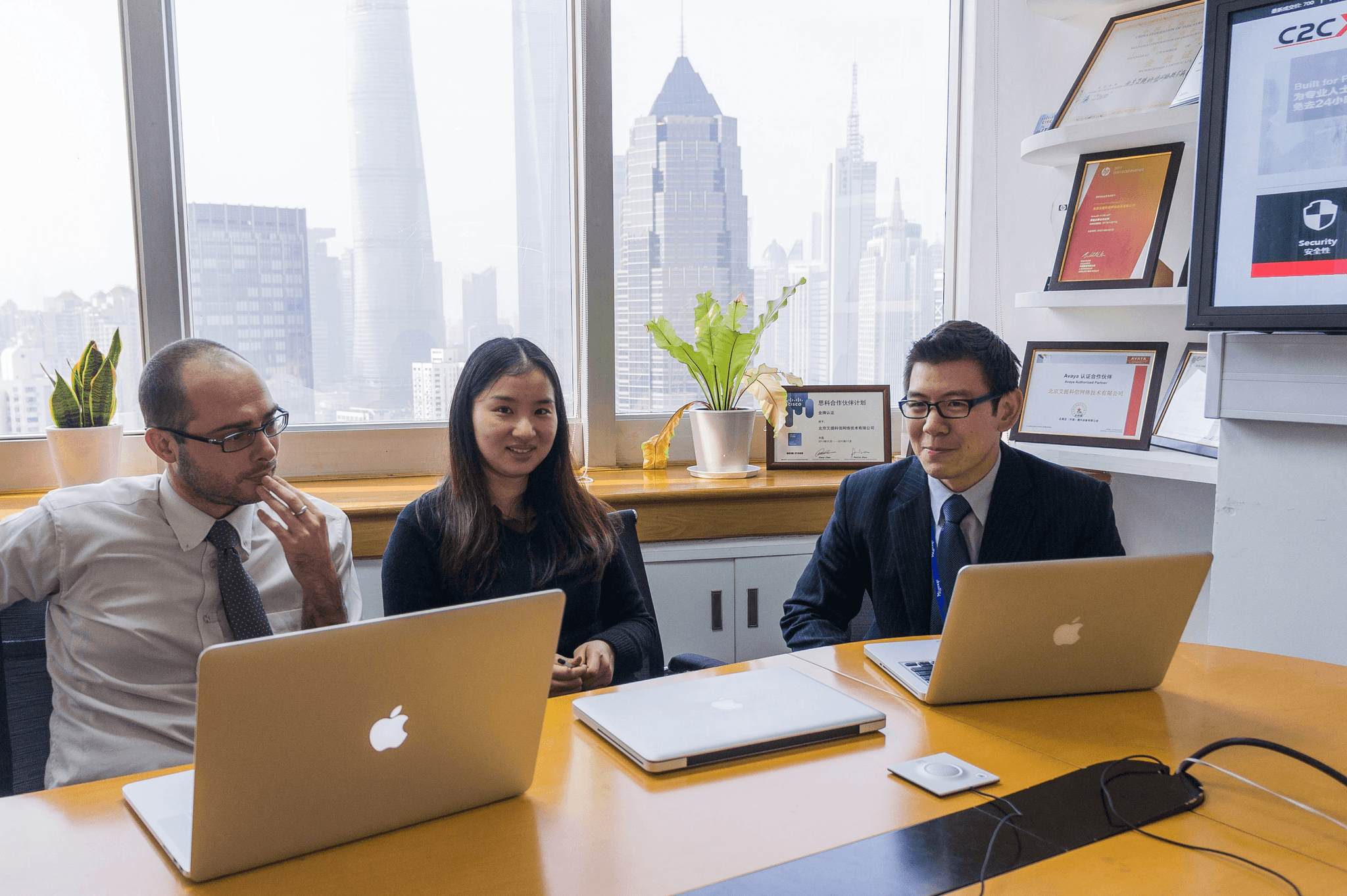
In today's fast-paced business environment, leveraging technology in material procurement is not just an option; it's a necessity. Companies that embrace technological advancements can streamline their operations, reduce costs, and improve overall efficiency. With the rise of artificial intelligence (AI) and machine learning, the landscape of material procurement is evolving rapidly, setting new standards for what businesses can achieve.
The Role of AI and Machine Learning
AI and machine learning are transforming material procurement by enabling organizations to analyze vast amounts of data quickly and accurately. These technologies help identify patterns and trends that human analysts might miss, leading to more informed decision-making. For instance, SSOURCING INC. uses AI algorithms to predict demand fluctuations, ensuring optimal inventory levels while minimizing waste.
Moreover, AI-driven tools enhance supplier selection processes by evaluating performance metrics in real-time. This means businesses can partner with suppliers who align with their goals more effectively than ever before. In a world where every second counts in material procurement, these innovations empower companies to stay ahead of the competition.
Digital Platforms Revolutionizing Supply Chains
Digital platforms are revolutionizing how businesses approach material procurement by providing centralized solutions for managing suppliers and inventory. These platforms facilitate seamless communication between stakeholders while allowing for real-time tracking of materials throughout the supply chain. SSOURCING INC.'s adoption of such a platform has led to enhanced transparency and collaboration with its partners.
Additionally, these digital solutions often come equipped with advanced analytics capabilities that provide insights into purchasing behaviors and market trends. By harnessing this data, companies can make proactive adjustments to their strategies in material procurement—ultimately driving cost savings and improving service delivery times. The future belongs to those who embrace these digital transformations wholeheartedly.
Case Studies: Companies Leading the Way
Several companies are at the forefront of leveraging technology for innovative material procurement practices that others can learn from. For instance, Company X leveraged AI-powered analytics tools to optimize its supplier network significantly; they reported a 20% reduction in costs within just one year! Meanwhile, Company Y implemented a state-of-the-art digital platform that streamlined its entire supply chain process—reducing lead times by 30%.
SSOURCING INC., too, has made strides in this arena by integrating advanced technologies into its operations—showcasing how embracing innovation leads to tangible results in material procurement efficiency. These case studies highlight not only success but also serve as inspiration for other businesses looking to modernize their approaches to sourcing materials effectively.
Sustainable Sourcing Practices

In today's rapidly evolving market, sustainable sourcing practices are no longer just a trend; they are becoming essential for businesses committed to responsible material procurement. Companies are increasingly recognizing that eco-friendly materials not only benefit the environment but also enhance their brand reputation and customer loyalty. As consumers demand more transparency in sourcing, businesses must adapt their procurement strategies to align with sustainable principles.
The Shift Toward Eco-Friendly Materials
The shift toward eco-friendly materials marks a significant transformation in material procurement strategies across various industries. Businesses are now prioritizing renewable resources, biodegradable options, and recycled materials to reduce their carbon footprints and promote sustainability. This change is driven by both regulatory pressures and consumer preferences, pushing companies to innovate in their product offerings while maintaining quality and performance.
Moreover, the availability of advanced technologies enables companies to source these materials more efficiently than ever before. By leveraging digital platforms and data analytics, businesses can identify sustainable suppliers who align with their values and goals. This not only streamlines the procurement process but also fosters a culture of environmental responsibility within organizations.
Companies Redefining Sustainability in Procurement
Several pioneering companies have taken bold steps to redefine sustainability in material procurement, setting benchmarks for others to follow. For instance, brands like Patagonia and Unilever have integrated eco-friendly practices throughout their supply chains, from sourcing raw materials to ensuring ethical labor conditions. These companies demonstrate that prioritizing sustainability can lead to innovative products that resonate with environmentally conscious consumers.
Additionally, many firms are adopting circular economy principles—designing products with end-of-life considerations in mind—to minimize waste and maximize resource efficiency. By collaborating with suppliers who share these values, they create a robust network focused on sustainable material procurement practices that benefit all stakeholders involved.
SSOURCING INC.'s Commitment to Green Practices
At SSOURCING INC., we understand that our commitment to green practices is paramount for future success in material procurement. We actively seek out partnerships with suppliers who prioritize sustainability and offer eco-friendly materials that meet our clients' needs without compromising quality or performance. Our dedication extends beyond merely sourcing; we aim to lead by example through transparent reporting on our environmental impact.
To further solidify our commitment, SSOURCING INC. invests in research and development aimed at discovering new sustainable materials that can revolutionize traditional manufacturing processes. By integrating these innovations into our operations, we ensure that our clients benefit from cutting-edge solutions tailored for today’s environmentally aware marketplace. As we continue this journey toward greener practices, we invite other businesses to join us in redefining what it means to procure responsibly.
Collaborative Procurement Strategies

In today's fast-paced business environment, collaborative procurement strategies are becoming increasingly essential for effective material procurement. Organizations are recognizing that by pooling resources and expertise, they can achieve better pricing, improved quality, and enhanced supply chain resilience. This shift toward collaboration is not just a trend; it's a necessity for companies like SSOURCING INC. that aim to thrive in a competitive landscape.
The Rise of Consortium Purchasing
Consortium purchasing is gaining traction as companies realize the benefits of joining forces to negotiate better terms with suppliers. By collaborating, businesses can leverage their combined purchasing power to secure discounts on materials that would be unattainable individually. This approach not only reduces costs but also fosters relationships among participating organizations, leading to shared knowledge and innovation in material procurement.
Moreover, consortium purchasing allows smaller companies to compete with larger players by accessing the same resources and materials at competitive prices. As more organizations embrace this model, we can expect an increase in strategic alliances across various sectors. SSOURCING INC., for instance, has adopted consortium purchasing strategies to enhance its material procurement processes while fostering partnerships within the industry.
How Partnerships Enhance Material Procurement
Partnerships play a pivotal role in enhancing material procurement by creating synergies between companies that share similar goals and challenges. These collaborations enable firms to exchange valuable insights about market trends, supplier performance, and emerging technologies in material procurement. Additionally, partnerships can lead to joint ventures or co-development projects that drive innovation and efficiency throughout the supply chain.
Furthermore, working together allows businesses to diversify their supplier base while minimizing risks associated with dependency on single sources for critical materials. By collaborating with trusted partners like SSOURCING INC., organizations can streamline their procurement processes while ensuring sustainability and ethical sourcing practices remain at the forefront of their operations. Ultimately, these partnerships create a win-win situation where all parties involved benefit from shared resources and knowledge.
Real-World Examples of Successful Collaborations
Several real-world examples illustrate how successful collaborations have transformed material procurement practices across various industries. One notable case is the partnership between multiple construction firms that formed a consortium to collectively source eco-friendly building materials at reduced costs while adhering to sustainable practices. This collaboration not only enhanced their material procurement capabilities but also positioned them as leaders in green construction initiatives.
Another example comes from the automotive industry, where manufacturers have banded together to negotiate bulk purchases of essential components such as microchips or batteries used in electric vehicles (EVs). By aligning their interests through collaborative efforts, these companies have effectively mitigated supply chain disruptions while driving down costs associated with critical materials needed for production.
SSOURCING INC.'s commitment to fostering partnerships exemplifies how collaboration can lead to innovative solutions within the realm of material procurement—ensuring that clients receive high-quality products without compromising on sustainability or cost-effectiveness.
Data-Driven Decision Making

In today's fast-paced business landscape, data-driven decision-making has become essential for effective material procurement. By leveraging vast amounts of data, organizations can gain insights that drive efficiency, reduce costs, and enhance overall supply chain performance. The integration of advanced analytics into procurement strategies allows businesses to make informed choices that align closely with market demands.
Utilizing Big Data for Insights
Big data is revolutionizing the way companies approach material procurement by providing a wealth of information at their fingertips. With access to real-time data on supplier performance, market trends, and customer preferences, businesses can optimize their purchasing strategies accordingly. SSOURCING INC. harnesses big data analytics to identify patterns and predict future needs, ensuring that procurement processes are both responsive and efficient.
Moreover, the ability to analyze large datasets enables organizations to uncover hidden opportunities for cost savings and process improvements in material procurement. By utilizing big data effectively, companies can enhance supplier relationships and negotiate better terms based on empirical evidence rather than guesswork. This strategic approach not only streamlines operations but also fosters a culture of continuous improvement within the organization.
Predictive Analytics in Procurement Trends
Predictive analytics plays a crucial role in shaping the future of material procurement by enabling businesses to anticipate changes before they occur. Through statistical algorithms and machine learning techniques, organizations can forecast demand fluctuations and adjust their inventory levels accordingly. This proactive approach helps mitigate risks associated with stockouts or excess inventory while ensuring that materials are available when needed.
SSOURCING INC.'s use of predictive analytics allows the company to stay ahead of industry trends and adapt its sourcing strategies effectively. By analyzing historical data combined with external factors such as economic indicators or seasonal shifts, SSOURCING INC. can make well-informed decisions that align with market dynamics. This capability not only enhances operational efficiency but also positions the company as a leader in innovative material procurement practices.
Additionally, predictive analytics helps organizations identify potential disruptions in the supply chain early on—whether due to geopolitical issues or natural disasters—allowing for timely contingency planning in material procurement processes. Companies leveraging these insights can maintain a competitive edge while ensuring continuity in operations even amidst uncertainty.
How SSOURCING INC. Integrates Data in Operations
At SSOURCING INC., integrating data into daily operations is more than just a buzzword; it's a fundamental aspect of our business model for effective material procurement. We employ sophisticated software solutions that centralize all relevant information—from supplier databases to market analysis—empowering our team with actionable insights at every stage of the procurement cycle. This streamlined access enables faster decision-making processes while minimizing errors associated with manual handling.
Our commitment to utilizing cutting-edge technology doesn't stop there; we also invest heavily in training our staff on how best to interpret and act upon this wealth of information effectively within our material procurement framework. By fostering a culture where data-driven decisions are celebrated rather than feared, we ensure our teams feel confident navigating complex challenges head-on.
Ultimately, SSOURCING INC.'s integration of data into its operations exemplifies how modern businesses can transform traditional approaches through innovation—leading not only to improved efficiency but also enhancing our ability to meet customer needs swiftly and accurately within an ever-evolving marketplace.
Agile Procurement Models

In today's fast-paced market, agile procurement models have emerged as a game-changer in material procurement. These models emphasize flexibility and responsiveness, allowing businesses to adapt quickly to changing demands and conditions. By embracing agility, organizations can optimize their supply chains and enhance overall efficiency.
Flexibility in Supply Chain Management
Flexibility is the cornerstone of successful supply chain management in the realm of material procurement. Companies that adopt agile practices can swiftly adjust their sourcing strategies based on real-time data and market trends. This adaptability not only minimizes risks associated with supply disruptions but also enables businesses to seize new opportunities as they arise.
For instance, SSOURCING INC. has implemented a flexible approach by integrating advanced technologies that provide visibility across its entire supply chain. This transparency allows for quicker decision-making processes when it comes to material procurement, ensuring that the right materials are sourced at the right time without unnecessary delays or excess costs.
Adapting to Market Changes Quickly
The ability to pivot quickly in response to market changes is crucial for any organization involved in material procurement. Agile procurement models facilitate this adaptability by fostering a culture of continuous improvement and innovation within teams. Businesses can better anticipate shifts in consumer demand or supplier capabilities, leading to more strategic sourcing decisions.
SSOURCING INC.'s commitment to agility means that when unexpected challenges arise—be it a sudden spike in demand or a supply chain disruption—the company can respond promptly without missing a beat. This proactive stance not only enhances customer satisfaction but also positions SSOURCING INC. as a leader in the competitive landscape of material procurement.
Success Stories from Agile Innovators
Several companies have successfully harnessed agile procurement models, transforming their operations and achieving remarkable results in material procurement efficiency. For example, a leading global manufacturer adopted an agile framework that allowed them to reduce lead times by 30% while simultaneously cutting costs by 15%. Their ability to collaborate closely with suppliers enabled them to respond swiftly to changes while maintaining high-quality standards.
Another success story involves SSOURCING INC., which has leveraged its agile model not just for internal processes but also for building stronger partnerships with suppliers and clients alike. By fostering collaboration and open communication channels, SSOURCING INC. has created an ecosystem where all stakeholders benefit from enhanced responsiveness and shared insights—truly redefining what it means to succeed in material procurement.
Conclusion

In the ever-evolving landscape of material procurement, embracing change is no longer optional—it's essential. Companies that cling to outdated methods risk falling behind in a competitive market that demands agility and innovation. As we've explored, leveraging technology, sustainable practices, and collaborative strategies can transform how businesses approach sourcing.
Embracing Change in Material Procurement
The shift towards modern material procurement is not just a trend; it’s a necessary evolution for survival in today’s business environment. Companies like SSOURCING INC. are leading the charge by integrating advanced technologies and sustainable practices into their procurement processes. By embracing these changes, organizations can streamline operations, reduce costs, and enhance their overall supply chain efficiency.
The Future of Sourcing Strategies
Looking ahead, the future of sourcing strategies will be shaped by data-driven insights and innovative partnerships. As businesses increasingly rely on big data and predictive analytics, material procurement will become more strategic than ever before. SSOURCING INC.'s commitment to harnessing these tools positions it at the forefront of this transformation, ensuring that it remains competitive in a rapidly changing marketplace.
Why Businesses Must Innovate Now
The urgency to innovate in material procurement cannot be overstated; companies must act now to stay relevant. With competition intensifying and consumer expectations evolving, those who delay adaptation risk being left behind in the dust of progress. Embracing innovative solutions not only enhances operational efficiency but also fosters resilience against future disruptions—a lesson every business should heed as they navigate the complexities of modern supply chains.