

Introduction
In today’s fast-paced business environment, procurement technology is no longer just a luxury; it’s a necessity for organizations aiming to stay competitive. The way companies manage their procurement processes has dramatically evolved, influenced by advancements in technology that streamline operations and enhance efficiency. As we delve into this topic, it becomes clear that understanding the impact of procurement technology is crucial for businesses looking to thrive in an increasingly digital landscape.
Understanding Procurement Technology's Impact
Procurement technology fundamentally reshapes how organizations acquire goods and services, allowing them to operate more efficiently and transparently. By automating routine tasks and providing real-time data insights, businesses can make quicker decisions that drive better outcomes. SSOURCING INC. recognizes that leveraging procurement technology not only minimizes human error but also fosters stronger supplier relationships through improved communication and collaboration.
Key Features Transforming Procurement
Several key features of modern procurement technology are revolutionizing the industry, including e-sourcing tools, spend analysis capabilities, and supplier management systems. These innovations empower companies to optimize their purchasing strategies by offering valuable insights into spending patterns and supplier performance. With these transformative tools at their disposal, businesses can achieve significant cost savings while enhancing overall operational efficiency.
Why Your Business Needs to Adapt
Adapting to procurement technology is essential for any business aiming to remain relevant in today’s market landscape. Companies that embrace these technological advancements can gain a competitive edge by responding swiftly to market demands and improving their supply chain resilience. Ignoring this shift could mean falling behind competitors who have harnessed the power of procurement technology to innovate and streamline their processes.
The Evolution of Procurement Technology

The journey of procurement technology has been nothing short of revolutionary, transforming how businesses manage their purchasing processes. Gone are the days when procurement was a manual, paper-driven affair, fraught with inefficiencies and human error. Today’s organizations are embracing advanced solutions that streamline operations and enhance decision-making through data-driven insights.
From Manual Processes to Automation
In the not-so-distant past, procurement relied heavily on manual processes that consumed time and resources. Employees would shuffle through piles of paperwork, relying on spreadsheets to track orders and supplier information—an approach that often led to discrepancies and delays. With the advent of procurement technology, businesses can now automate these tasks, reducing errors and freeing up valuable employee time for more strategic initiatives.
Automation in procurement technology also enables real-time tracking and reporting, providing organizations with a clearer view of their spending patterns. This shift not only enhances efficiency but also allows for better compliance with company policies and regulations. As companies like SSOURCING INC. adopt these automated solutions, they position themselves as leaders in a competitive market.
The Rise of E-Procurement Solutions
As businesses recognized the need for more efficient purchasing processes, e-procurement solutions began to emerge as game-changers in the industry. These platforms offer an online environment where suppliers can showcase their products while buyers can easily navigate catalogs, place orders, and manage invoices—all from one centralized system. This digital transformation has made it easier than ever for organizations to maintain supplier relationships while optimizing their purchasing strategies.
E-procurement solutions have also fostered greater transparency in transactions by providing comprehensive audit trails and performance metrics. Companies can analyze spending patterns across departments or regions to identify cost-saving opportunities that were once hidden in manual systems. For firms like SSOURCING INC., leveraging e-procurement is no longer just an option; it's essential for staying ahead in today’s fast-paced business landscape.
Case Study: SAP Ariba's Transformation Journey
To illustrate the profound impact of procurement technology on modern business practices, let’s take a closer look at SAP Ariba's transformation journey. Initially focused on traditional supply chain management methods, SAP recognized the need to evolve with changing market demands by integrating cloud-based e-procurement solutions into its offerings. This strategic pivot allowed them to enhance visibility across supply chains while improving collaboration between buyers and suppliers.
By implementing robust procurement technology features such as automated workflows and advanced analytics tools, SAP Ariba has significantly reduced cycle times for sourcing activities while improving overall user satisfaction among clients worldwide. Their success story is a testament to how embracing innovative technologies can lead to substantial operational improvements—a lesson that resonates deeply with companies like SSOURCING INC., which strive for excellence in procurement practices.
Benefits of Integrating Procurement Technology

Integrating procurement technology into your business operations is no longer a luxury; it’s a necessity for those who want to thrive in today’s competitive landscape. The benefits are numerous, ranging from streamlined processes to enhanced decision-making capabilities. In this section, we will explore how procurement technology can transform your organization and why SSOURCING INC. believes you should embrace these advancements.
Streamlined Processes and Cost Savings
One of the most significant advantages of procurement technology is the ability to streamline processes, which directly translates into cost savings. By automating repetitive tasks such as purchase orders and invoicing, businesses can reduce manual errors and save valuable time that can be redirected toward strategic initiatives. This efficiency also leads to better supplier management, enabling companies to negotiate more favorable terms and prices—ultimately boosting the bottom line.
Moreover, procurement technology fosters greater transparency in spending, allowing organizations to identify areas where they can cut costs without sacrificing quality. With real-time insights into expenditures, businesses can make informed decisions that align with their financial goals. SSOURCING INC. emphasizes that adopting these technologies not only enhances efficiency but also empowers teams to focus on what truly matters: driving innovation and growth.
Enhanced Data Analytics for Better Decisions
Procurement technology provides robust data analytics capabilities that enable organizations to make smarter decisions based on concrete evidence rather than gut feelings. By harnessing data from various sources—such as supplier performance metrics or market trends—businesses gain a comprehensive view of their procurement landscape. This insight allows them to optimize their strategies and respond proactively to changing conditions.
Additionally, advanced analytics tools help identify patterns and predict future needs, ensuring that companies are always one step ahead in their planning processes. With access to actionable insights at their fingertips, procurement teams can negotiate better deals and establish stronger relationships with suppliers—all while minimizing risks associated with supply chain disruptions. At SSOURCING INC., we believe that leveraging data-driven decision-making through procurement technology is essential for any forward-thinking organization.
Example: How IBM Uses Procurement Technology
IBM serves as an exemplary case study in the effective use of procurement technology for enhancing operational efficiency and driving cost savings. The tech giant has implemented sophisticated e-procurement solutions that enable seamless collaboration across its global supply chain while maintaining stringent compliance standards. By utilizing advanced analytics within their procurement framework, IBM has been able to optimize supplier selection processes significantly.
Through its digital transformation journey, IBM has achieved remarkable reductions in cycle times for procure-to-pay processes while simultaneously improving supplier performance metrics across the board. This success story illustrates how integrating cutting-edge procurement technology not only streamlines operations but also cultivates an environment ripe for innovation—a principle at the heart of SSOURCING INC.’s mission as well.
Choosing the Right Procurement Technology
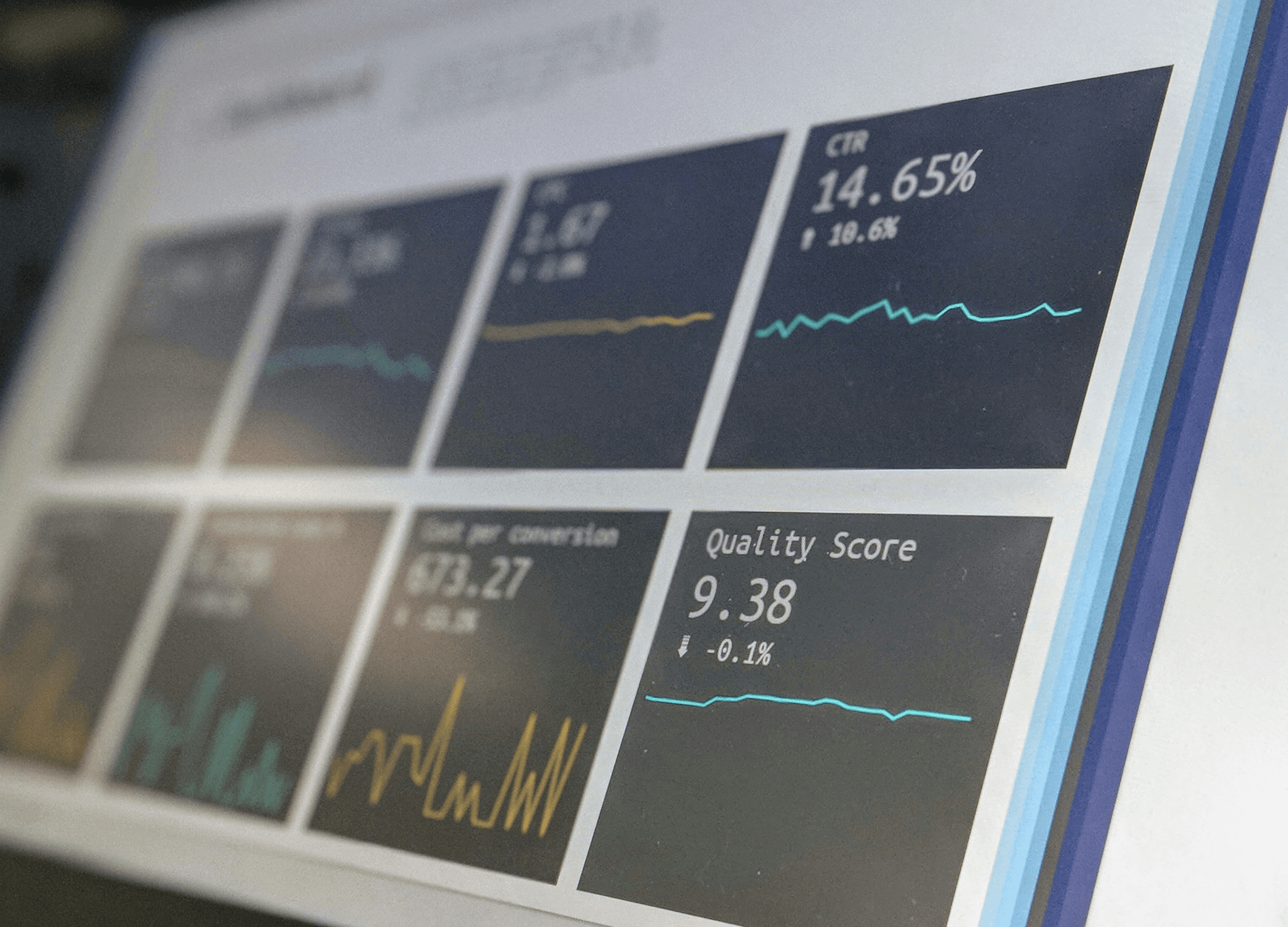
Selecting the right procurement technology is akin to finding the perfect partner—one that complements your business needs and drives efficiency. With a myriad of options available, it’s essential to evaluate solutions based on specific criteria that align with your organizational goals. SSOURCING INC. is here to help you navigate this landscape, ensuring you make an informed decision.
Key Factors to Consider
When evaluating procurement technology, consider scalability as a primary factor. Your chosen solution should grow with your business, accommodating increased transaction volumes and expanding supplier networks without a hitch. Additionally, user-friendliness is critical; if your team struggles with the interface, even the best procurement technology can become a burden rather than a boon.
Integration capabilities also play a vital role in your decision-making process. The ideal system should seamlessly connect with existing software and platforms within your organization, minimizing disruption during implementation. Lastly, don’t overlook support and training services—having robust customer support can make all the difference when troubleshooting or optimizing your procurement processes.
Comparing Leading Solutions: Coupa vs. Jaggaer
Coupa and Jaggaer are two heavyweights in the realm of procurement technology, each offering unique features tailored for different business needs. Coupa shines with its user-friendly interface and extensive spend management capabilities, making it an excellent choice for organizations focused on maximizing savings through visibility and control over their spending habits. On the other hand, Jaggaer excels in providing comprehensive supply chain solutions that cater to industries requiring complex sourcing strategies.
While both platforms boast strong analytics tools that enhance decision-making, Coupa's real-time insights are particularly noteworthy for businesses seeking agility in their procurement processes. Conversely, Jaggaer's emphasis on supplier relationship management might appeal more to firms prioritizing collaboration with vendors over sheer cost savings alone. Ultimately, choosing between these two giants will depend on what aspects of procurement technology align best with your strategic objectives.
SSOURCING INC.'s Recommendation Framework
At SSOURCING INC., we believe that selecting procurement technology should be a structured process rather than a shot in the dark. Our recommendation framework emphasizes understanding your organization's specific needs first; this includes assessing current pain points within your procurement processes and defining clear objectives for what you want from new technology solutions.
Next up is conducting thorough research into various providers based on key factors we previously discussed—think scalability, integration capabilities, and support services—and comparing them against one another systematically using side-by-side evaluations like those between Coupa and Jaggaer mentioned earlier. Finally, we advocate for piloting shortlisted solutions before full-scale implementation; this hands-on experience allows teams to gauge usability while ensuring alignment between their day-to-day operations and chosen technologies.
Implementing Procurement Technology Successfully

Implementing procurement technology is not just about flipping a switch; it requires a well-thought-out strategy to ensure smooth transitions and successful adoption throughout your organization. SSOURCING INC. believes that a structured approach can significantly enhance the effectiveness of procurement processes, leading to improved efficiency and cost savings. By focusing on a roadmap for transition, effective training, and change management insights, businesses can harness the full potential of procurement technology.
Creating a Roadmap for Transition
A clear roadmap is essential when integrating procurement technology into your business operations. This plan should outline specific milestones, timelines, and responsibilities to ensure everyone is aligned on objectives and expectations. Start by assessing your current processes, identifying gaps that procurement technology can fill, and setting measurable goals to track progress along the way.
Once you have defined your objectives, prioritize which areas to tackle first based on their impact on overall efficiency and cost savings. A phased approach allows teams to adapt gradually while minimizing disruption to daily operations. Remember that this journey isn’t just about technology; it’s about transforming how your organization thinks about procurement.
Training Your Team Effectively
Training is crucial in ensuring that all stakeholders are comfortable with the new procurement technology being implemented. SSOURCING INC. recommends developing tailored training programs that cater to different user groups within your organization—procurement specialists may need more in-depth technical training than general staff who will use the system occasionally.
Consider using various training methods such as hands-on workshops, online tutorials, or even gamified learning experiences to engage employees effectively. The goal is not only familiarity with the tools but also fostering an understanding of how these technologies will enhance their day-to-day activities and contribute positively to overall business performance.
Insights from Accenture on Change Management
Change management is critical when introducing any new system or process within an organization—especially one as impactful as procurement technology. According to insights from Accenture, successful change management hinges on strong leadership support and clear communication throughout the implementation process. Leaders should actively promote the benefits of the new system while addressing concerns or resistance from team members.
Additionally, involving employees in decision-making can foster buy-in and create advocates for change within teams—turning skeptics into supporters! Regular feedback loops during implementation also help organizations refine their approach based on real-world experiences as they adapt their strategies accordingly.
The Future of Procurement Technology

As we look ahead, the landscape of procurement technology is poised for remarkable transformations that will redefine how businesses manage their supply chains. Innovations in this field are not just enhancements; they are game-changers that can propel organizations into a new era of efficiency and effectiveness. SSOURCING INC. is committed to helping businesses navigate these changes and leverage the full potential of procurement technology.
Emerging Trends to Watch
The future is bright for procurement technology, with several emerging trends that every organization should keep an eye on. One significant trend is the increasing integration of blockchain technology, which promises to enhance transparency and traceability in supply chains. Additionally, sustainability will play a crucial role as companies strive to adopt greener practices through eco-friendly procurement solutions, ensuring compliance with regulations while meeting consumer demand for responsible sourcing.
Another trend gaining traction is the rise of collaborative procurement platforms that foster partnerships between organizations and suppliers. These platforms aim to streamline communication and improve relationships, ultimately leading to better outcomes for all parties involved. As these trends unfold, businesses must stay agile and adapt their procurement strategies to remain competitive in an ever-evolving marketplace.
The Role of AI and Machine Learning
Artificial Intelligence (AI) and machine learning are set to revolutionize procurement technology by automating routine tasks and providing deeper insights into purchasing behavior. With AI's capability to analyze vast amounts of data quickly, organizations can make informed decisions faster than ever before. This means better supplier selection, optimized inventory management, and enhanced risk assessment—essentially transforming how companies approach their procurement processes.
Moreover, machine learning algorithms can predict market trends based on historical data patterns, allowing businesses to anticipate changes in demand or pricing fluctuations effectively. By harnessing these technologies, SSOURCING INC. empowers clients to not only save time but also maximize their cost savings through smarter decision-making processes in procurement technology.
Predictions from Gartner's Latest Research
According to Gartner's latest research on procurement technology trends, we can expect significant shifts over the next few years that will reshape the industry landscape entirely. One prediction highlights a surge in adoption rates for cloud-based e-procurement solutions as companies prioritize flexibility and scalability over traditional systems. This shift will enable organizations to access real-time data from anywhere while fostering collaboration across teams—an essential factor in today’s remote work environment.
Additionally, Gartner predicts that by 2025, 80% of all sourcing activities will be managed through advanced analytics tools powered by AI technologies—a clear indication that data-driven decision-making will become paramount in strategic sourcing efforts. As these predictions come true, it’s imperative for businesses like yours to embrace the future of procurement technology with open arms while leveraging insights from trusted partners like SSOURCING INC.
Conclusion

As we wrap up our exploration of procurement technology, it's clear that this digital revolution is not just a trend—it's a necessity for businesses aiming to thrive in a competitive landscape. The integration of advanced procurement solutions can streamline operations, enhance decision-making through data analytics, and ultimately drive significant cost savings. Embracing procurement technology is no longer optional; it’s the key to unlocking your organization's full potential.
Key Takeaways on Procurement Technology
The journey through procurement technology highlights several core principles: first, automation is transforming traditional manual processes into efficient workflows that save time and reduce errors. Second, e-procurement solutions are becoming the backbone of strategic sourcing, enabling organizations to make informed decisions backed by real-time data analytics. Lastly, as demonstrated by industry leaders like IBM and SAP Ariba, the right procurement technology can lead to substantial competitive advantages and operational excellence.
How to Get Started Today
Getting started with procurement technology involves a few crucial steps: begin by assessing your current processes and identifying pain points that could benefit from automation or enhanced data insights. Next, research various solutions tailored to your specific needs—consider factors like scalability, user-friendliness, and integration capabilities with existing systems. Finally, engage SSOURCING INC.'s expertise in developing a customized implementation plan that includes training for your team to ensure a smooth transition into this new era of procurement.
Join SSOURCING INC. in the Revolution
Are you ready to leap into the future of procurement? Join SSOURCING INC. as we lead the charge in adopting innovative technologies that redefine how businesses manage their supply chains and sourcing strategies. Together, we can harness the power of procurement technology to not only keep pace with change but also drive it—transforming challenges into opportunities for growth.