

Introduction
In recent years, importing from China to Uganda has become a bustling avenue for entrepreneurs and businesses looking to tap into global markets. This surge is not merely a trend; it represents a strategic shift in how Ugandan businesses source products, driven by the affordability and variety that Chinese manufacturers offer. As the landscape of international trade evolves, understanding the nuances of this importation process becomes essential for success.
The Rise of Importing from China to Uganda
The rise of importing from China to Uganda can be attributed to several factors, including improved trade relations and advancements in technology that have streamlined communication and transactions. More Ugandan businesses are realizing that they can access high-quality products at competitive prices, allowing them to cater effectively to local demand. With platforms like Alibaba making it easier than ever to connect with suppliers, the barriers that once existed are rapidly fading away.
Why Uganda is a Hotspot for Imports
Uganda's strategic location within East Africa makes it an attractive hub for imports, especially when considering its growing economy and youthful population eager for diverse products. The increasing urbanization and rising disposable incomes mean that consumers are on the lookout for new offerings, thereby creating ample opportunities for importers. Additionally, government initiatives aimed at boosting trade further enhance Uganda’s appeal as a hotspot for importing goods from abroad.
Key Benefits of Smart Importing Strategies
Implementing smart importing strategies can yield significant benefits for Ugandan businesses looking to capitalize on this trend of importing from China to Uganda. For starters, these strategies enable companies to reduce costs while ensuring quality, leading to better profit margins in an increasingly competitive marketplace. Moreover, leveraging technology allows businesses like SSOURCING INC. to optimize their supply chain processes and stay ahead of market trends—ensuring they meet consumer demands efficiently.
Understanding the Market Landscape

Navigating the market landscape is crucial for anyone looking to venture into importing from China to Uganda. This section will explore how to identify in-demand products, analyze the competition, and understand tariffs and regulations that govern this process. With a strategic approach, you'll be well-equipped to make informed decisions that can lead to successful importing ventures.
Identifying In-Demand Products
To effectively tap into the Ugandan market, you must first identify which products are in high demand. Conducting thorough market research can reveal trends and consumer preferences that are vital for importing from China to Uganda. Utilizing tools like surveys, focus groups, or even social media insights can help pinpoint what Ugandans are craving—be it electronics, clothing, or household goods.
SSOURCING INC. recommends keeping an eye on local marketplaces and online platforms where consumers express their needs. Additionally, attending trade fairs and expos can provide firsthand insight into emerging trends and popular items among consumers. By aligning your imports with these demands, you position yourself as a go-to supplier in a competitive marketplace.
Analyzing the Competition
Understanding your competition is just as important as knowing your customers when it comes to importing from China to Uganda. Start by researching who your competitors are—what products they offer and at what price points? This analysis will not only help you gauge how saturated the market is but also allow you to find gaps where you can introduce unique offerings.
SSOURCING INC. suggests conducting a SWOT analysis (Strengths, Weaknesses, Opportunities, Threats) of your competitors to better understand their strategies and weaknesses that you could exploit. Remember that differentiation is key; whether it’s through pricing strategies or superior customer service, finding ways to stand out will give you an edge over others in the industry.
Exploring Tariffs and Regulations
Importing from China to Uganda isn’t just about finding great products; understanding tariffs and regulations is equally vital for smooth operations. Familiarize yourself with import duties applicable on various goods so there are no surprises when it’s time for customs clearance. The Ugandan government has specific guidelines regarding imports that must be adhered to avoid legal complications.
SSOURCING INC.'s team emphasizes staying updated on any changes in trade policies or tariffs that could impact your business model significantly. Additionally, consulting with local customs brokers can provide invaluable insights into compliance requirements specific to your product categories—helping streamline your importing process while avoiding potential pitfalls along the way.
Sourcing Reliable Suppliers
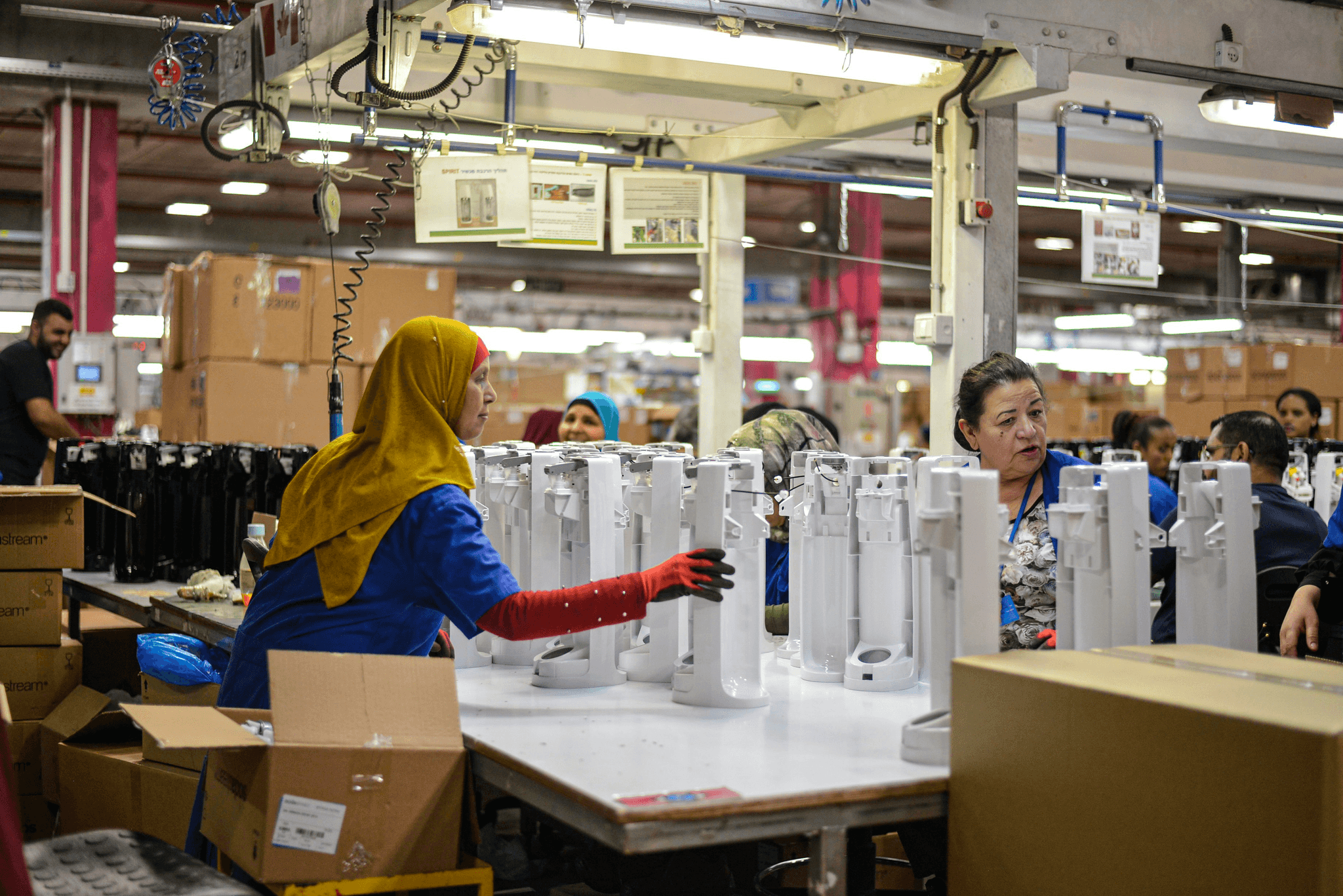
When it comes to importing from China to Uganda, finding reliable suppliers is crucial for ensuring quality and consistency in your products. With the vast number of manufacturers available, understanding how to vet these companies will save you time and money in the long run. Partnering with trustworthy suppliers can make or break your importing success.
How to Vet Chinese Manufacturers
Vetting Chinese manufacturers involves a multi-step process that requires diligence and attention to detail. Start by checking their business licenses, certifications, and production capabilities; this information can often be found on their official websites or through platforms like SSOURCING INC. It's also wise to request samples before placing larger orders, allowing you to assess product quality firsthand—nothing beats seeing the goods in person when importing from China to Uganda!
Additionally, consider reaching out for references from other clients who have worked with the manufacturer; this step can provide insights into their reliability and responsiveness. Don’t hesitate to ask tough questions about production timelines and quality control measures—after all, you're investing in a partnership that should yield mutual benefits. By taking these steps seriously, you’ll position yourself well for successful importing from China to Uganda.
Utilizing Platforms Like Alibaba
Alibaba has revolutionized the way businesses source products globally, making it an invaluable resource for anyone looking at importing from China to Uganda. This platform allows you access to thousands of suppliers across various industries, giving you options galore! However, navigating Alibaba requires some savvy—look for verified suppliers with good ratings and reviews.
Using Alibaba’s built-in communication tools fosters direct interaction with potential suppliers; don’t shy away from asking detailed questions about their processes and capabilities. Additionally, take advantage of Alibaba’s Trade Assurance program which offers protection against payment fraud—an essential aspect when dealing internationally! Remember that while Alibaba is a great starting point for sourcing goods efficiently, thorough vetting remains key in your journey of importing from China to Uganda.
Importance of Building Relationships
Building strong relationships with your Chinese suppliers is not just recommended; it's essential if you're serious about successful importing from China to Uganda! Establishing trust can lead not only to better pricing but also priority treatment during peak seasons when demand spikes unexpectedly. A friendly rapport encourages open communication; this means any issues that arise can be addressed quickly without unnecessary delays.
Moreover, maintaining ongoing relationships allows you access to new product lines before they hit the market—valuable intel that keeps your offerings fresh and competitive! Regular visits or virtual check-ins show commitment on your part; this goes a long way in fostering loyalty among manufacturers who appreciate partners willing to invest time into collaboration. Ultimately, investing in supplier relationships will pay dividends as you navigate the complexities of importing from China to Uganda.
Navigating Logistics and Shipping

When it comes to importing from China to Uganda, navigating the logistics and shipping process can feel like trying to solve a Rubik's Cube blindfolded. However, with the right strategies in place, you can turn this complex puzzle into a smooth operation. Understanding how to choose the right shipping methods, tackle customs clearance, and utilize local logistics providers will set you on a path to success.
Choosing the Right Shipping Method
The first step in effectively importing from China to Uganda is selecting the appropriate shipping method that aligns with your budget and timeline. Options range from air freight—which is faster but pricier—to sea freight, which is economical for larger shipments but takes longer. SSOURCING INC. recommends evaluating your product’s size, weight, and urgency before making a decision; after all, no one wants their goods stuck in transit longer than necessary!
Additionally, consider hybrid options like express courier services for smaller packages that need quick delivery without breaking the bank. By weighing these factors carefully, you’ll be able to streamline your import process while ensuring timely arrival of your goods.
Understanding Customs Clearance Processes
Once you've chosen your shipping method for importing from China to Uganda, it's time to tackle the all-important customs clearance process. This stage can be daunting if you're not familiar with regulations and paperwork required by Ugandan authorities. SSOURCING INC. suggests staying informed about necessary documentation such as invoices, packing lists, and certificates of origin—because nothing halts progress like missing paperwork!
Moreover, understanding tariff classifications will help you avoid unexpected fees that could inflate your costs significantly upon arrival in Uganda. Familiarize yourself with local customs regulations or consult with a logistics expert who can guide you through this maze—after all, knowledge is power when it comes to avoiding delays!
Utilizing Local Logistics Providers
To further ease your journey of importing from China to Uganda, consider partnering with local logistics providers who understand the ins-and-outs of Ugandan infrastructure and regulations. These experts can help streamline processes such as warehousing and distribution while providing insights into best practices tailored for the Ugandan market.
SSOURCING INC.'s experience has shown that leveraging local providers not only reduces risk but also enhances efficiency throughout the supply chain—allowing you more time to focus on growing your business instead of getting bogged down by logistical headaches! Plus, these partnerships often foster better communication channels between suppliers and customers.
Quality Control Measures
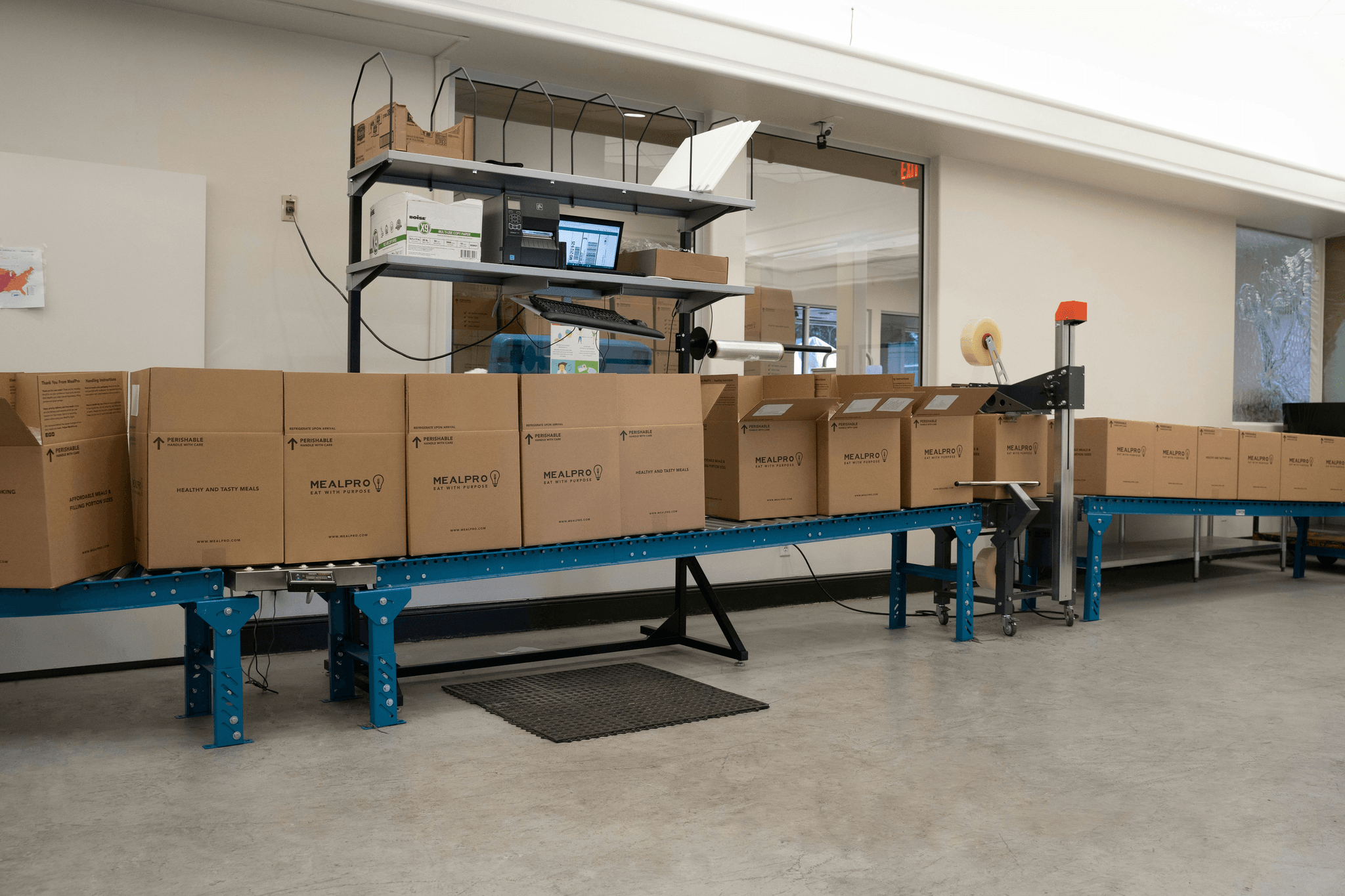
When it comes to importing from China to Uganda, ensuring the quality of your products is paramount. Poor quality can lead to dissatisfied customers, increased returns, and ultimately damage your brand's reputation. Therefore, implementing robust quality control measures is not just a good practice; it's essential for success in the competitive Ugandan market.
Establishing Product Standards
Establishing clear product standards is the first step in maintaining quality when importing from China to Uganda. These standards should align with both local regulations and consumer expectations, ensuring that your products meet the necessary criteria for safety and performance. By clearly defining these benchmarks, you set a foundation that guides manufacturers towards producing goods that meet your specifications.
Moreover, having established product standards allows for easier communication with suppliers in China. When everyone understands what is expected, it reduces the likelihood of misunderstandings and misproductions—saving you time and money in the long run. SSOURCING INC. can assist you in developing these standards tailored specifically for your target market.
Conducting Factory Inspections
Conducting factory inspections is a crucial step in the quality control process when importing from China to Uganda. These inspections help verify that manufacturers are adhering to your established product standards and operating under acceptable conditions. It’s not just about checking if products look good on paper; it's about ensuring they are produced ethically and sustainably.
Regular visits or third-party inspections can uncover potential issues before they escalate into larger problems down the line. This proactive approach gives you peace of mind and helps maintain a consistent level of quality across all shipments. With SSOURCING INC.'s network of trusted inspectors, you can be confident that your factory visits will provide valuable insights into production practices.
The Role of SSOURCING INC. in Quality Assurance
SSOURCING INC. plays a pivotal role in navigating the complexities of quality assurance while importing from China to Uganda. Our expertise lies not only in sourcing reliable suppliers but also in implementing effective quality control measures tailored to your business needs. By leveraging our resources, you gain access to comprehensive inspection services, expert guidance on product standards, and ongoing support throughout the supply chain process.
We understand that each business has unique requirements when it comes to product quality; therefore, we customize our services accordingly to ensure optimal outcomes for our clients' import ventures. With SSOURCING INC., you're not just another client; you're a partner committed to achieving excellence together through meticulous attention to detail at every stage of production.
Managing Costs and Pricing

When it comes to importing from China to Uganda, managing costs effectively is crucial for success. Understanding the various expenses involved can make or break your bottom line, especially in a competitive market like Uganda's. This section will guide you through calculating total landed costs, negotiating better deals, and setting prices that attract customers while ensuring profitability.
Calculating Total Landed Costs
Calculating total landed costs is essential when importing from China to Uganda because it encompasses all expenses incurred from the moment you place an order until the goods reach your warehouse. This includes product cost, shipping fees, insurance, customs duties, and any additional handling charges that may arise during transit. By having a clear picture of these costs through meticulous calculations, you can ensure that your pricing strategy aligns with your financial goals while remaining competitive in the Ugandan market.
To accurately determine these costs, create a detailed spreadsheet that lists each expense itemized by category. Don’t forget to factor in potential fluctuations in exchange rates and shipping fees—these can significantly impact your overall budget. SSOURCING INC. recommends regularly reviewing these figures to adapt your strategies as market conditions change.
Strategies for Cost Negotiation
Negotiation is an art form when it comes to importing from China to Uganda—one that can yield significant savings if executed correctly. Start by researching market prices for similar products; this knowledge gives you leverage during discussions with suppliers or manufacturers in China. Remember, building relationships with suppliers not only opens doors for better deals but also fosters trust and reliability.
Consider starting negotiations with a clear outline of what you’re willing to pay based on your calculated total landed costs and market research findings. Always be prepared to walk away if the terms don’t meet your expectations; sometimes this tactic alone can lead suppliers to reconsider their offers favorably. SSOURCING INC.'s experience shows that successful negotiations often hinge on mutual respect and understanding rather than aggressive tactics.
Setting Competitive Prices for the Ugandan Market
Setting competitive prices is crucial when you're importing from China to Uganda because it directly influences consumer behavior and sales volume. Conduct thorough market research to understand what price points resonate with Ugandan consumers while considering local purchasing power and competition levels. Your goal should be not just covering all costs but also offering value that sets your products apart in the marketplace.
In addition to knowing your competitors’ pricing strategies, consider implementing promotional offers or loyalty programs as part of your pricing strategy—this can help attract new customers while retaining existing ones who might otherwise look elsewhere for better deals. SSOURCING INC.’s insights into local consumer trends reveal that transparency about pricing can enhance brand loyalty as well; consumers appreciate knowing they’re getting fair value without hidden fees or surprises at checkout.
By mastering cost management techniques alongside effective pricing strategies tailored specifically for importing from China to Uganda, you'll position yourself as a formidable player in an evolving marketplace ready for growth.
Conclusion

In the ever-evolving landscape of global trade, importing from China to Uganda presents a plethora of opportunities for businesses looking to thrive. As we’ve explored throughout this guide, understanding the intricacies of the market and employing smart strategies can significantly enhance your importing experience. With the right approach, businesses can not only survive but flourish in this dynamic environment.
Best Practices for Successful Importing
To ensure success when importing from China to Uganda, it’s crucial to adopt best practices that streamline operations and minimize risks. First and foremost, thorough research on suppliers is essential; don’t just go for the cheapest option—consider quality and reliability as well. Additionally, maintaining open lines of communication with your suppliers will foster trust and facilitate smoother transactions, making it easier for SSOURCING INC. to manage expectations and resolve issues.
Another vital practice is keeping a close eye on market trends and consumer preferences in Uganda. By staying informed about what products are in demand, you can make more strategic decisions regarding your imports. Finally, don't underestimate the importance of compliance with local regulations; understanding tariffs and customs processes will save you time and money in the long run.
Leveraging Technology in Supply Chain
In today’s digital age, leveraging technology is not just an option; it’s a necessity for successful importing from China to Uganda. Utilizing platforms like Alibaba can simplify supplier sourcing while providing access to valuable insights through user reviews and ratings. SSOURCING INC. encourages businesses to embrace tools such as inventory management software that helps track shipments in real-time and optimize stock levels based on demand forecasts.
Moreover, adopting advanced analytics can help importers make data-driven decisions that enhance efficiency across their supply chains. From automating routine tasks to using AI-powered tools for better forecasting, technology is revolutionizing how we approach international trade. By integrating these technologies into their operations, Ugandan importers can gain a competitive edge over others who may still rely on outdated methods.
Future Trends in Importing from China to Uganda
Looking ahead, several trends are poised to shape the future of importing from China to Uganda significantly. One notable trend is the increasing emphasis on sustainability; consumers are becoming more conscious about where their products come from and how they impact the environment. Importers who prioritize sustainable sourcing will likely find themselves ahead of the curve as eco-friendly practices become more mainstream.
Additionally, e-commerce continues its meteoric rise globally—this shift means that Ugandan businesses must adapt by enhancing their online presence if they want to capture a larger share of the market when importing goods from China becomes even easier through digital platforms. Furthermore, advancements in logistics technology will streamline shipping processes further while reducing costs associated with customs clearance.
In conclusion, navigating the world of importing from China to Uganda requires diligence but offers immense potential rewards for those willing to embrace change and innovate within their supply chains.